Cruise Ship Outbreak Proves That Even on Vacation, Rodents Can Ruin Everything
A cruise ship becomes a floating petri dish as hantavirus claims three lives, proving that even luxury vacations can't escape the tyranny of rodent waste.
Three people have died after a suspected hantavirus outbreak on a cruise ship in the Atlantic Ocean, the World Health Organization (WHO) has told the BBC. Because nothing says "relaxing getaway" like a respiratory illness transmitted by rodent urine.
The WHO reported one confirmed and five suspected cases. One UK national aged 69 is now in intensive care in Johannesburg, South Africa. Local officials later told the BBC he had the virus. Hantavirus is usually passed to humans from rodents via their urine or faeces, and can cause severe respiratory illness. Rarely, it can be transmitted between people - just to keep things interesting.
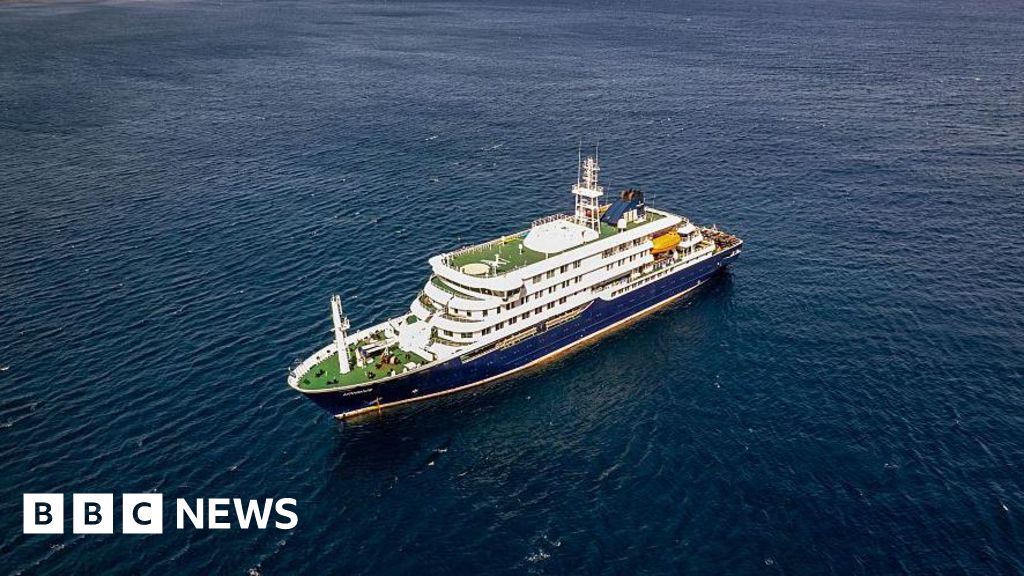
The outbreak was reported aboard the MV Hondius ship, a 107.6m (353ft) polar cruise vessel run by Oceanwide Expeditions, traveling from Argentina to Cape Verde. The ship has space for 170 passengers in 80 cabins, along with 57 crew members, 13 guides and one doctor - who is presumably quite busy right now.
The UK Foreign Office told the BBC it was monitoring reports and ready to support British nationals. Foster Mohale, a spokesperson for South Africa's health ministry, said there were about 150 tourists from various countries aboard the vessel. Before the WHO confirmation of three deaths, Mohale told the BBC that at least two people had died: a 70-year-old man and a 69-year-old woman, a Dutch couple. The man suddenly became ill with fever, headache, abdominal pain and diarrhoea, dying on arrival on the island of St Helena. The woman also became ill on board and was evacuated to South Africa, where she died in a Johannesburg hospital.
The AFP news agency cited a source saying that the third fatality was still on board the ship, with discussions under way to decide whether two other sick passengers should be placed in isolation in hospital in Cape Verde. The ship would then reportedly continue to Spain's Canary Islands. The WHO said it was helping co-ordinate between member states and the ship's operators for the medical evacuation of two symptomatic passengers, as well as a full public health risk assessment and support for those still on board.
The Good Times
News in your inbox.
One sardonic roundup, delivered on your schedule. Free. Unsubscribe whenever your tolerance for wit runs out.
Already subscribed but we never reach your inbox? Check your spam folder and hit 'Not spam' (or 'Remove from spam') to bust us out of junk-mail purgatory. You'll be helping everyone else too.
Don't open any of our emails for a month and you'll be automatically removed from the mailing list.
Rewrite Article
Select parts to regenerate with a fresh AI pass. Translations will be updated automatically.
Generate AI Image
Creates a sardonic version of the article image using OpenAI.