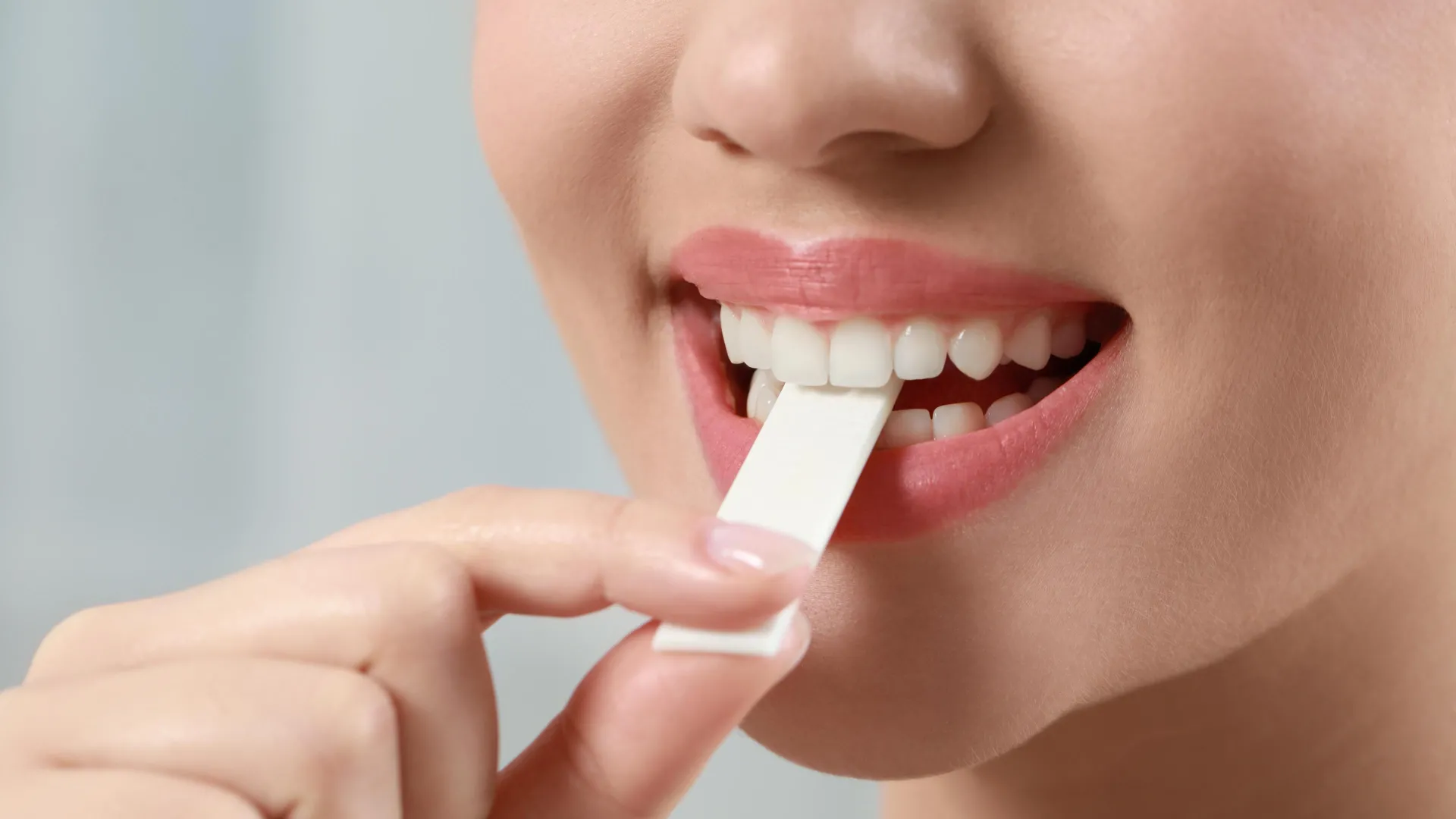
Researchers at the University of Pennsylvania have developed a bioengineered chewing gum that takes 'chewing your way to health' to a whole new level. In tests with oral samples from patients, extracts from the gum slashed levels of one virus and two bacteria linked to head and neck cancer, potentially offering a more accessible and affordable treatment avenue.
The study, led by Henry Daniell of the School of Dental Medicine and published in Scientific Reports, focused on head and neck squamous cell carcinoma (HNSCC), a common and aggressive cancer that starts in the mouth and throat linings. Despite recent drug approvals, survival rates haven't improved much, so researchers are exploring complementary approaches. Enter the gum, made from lablab beans (bean gum) and containing FRIL, a naturally occurring antiviral protein.
Using oral samples from HNSCC patients, the team targeted three microbes: human papillomavirus (HPV) and two bacteria, Porphyromonas gingivalis (Pg) and Fusobacterium nucleatum (Fn). "The global increase in oropharyngeal cancer is linked to HPV infection," notes Daniell, "and Pg and Fn infections worsen survival rates of untreated recurrent or metastatic oral cancer."
The results were impressive: bean gum extracts reduced HPV levels by 93% in saliva and 80% in oral rinse samples. The gum was then engineered to contain protegrin, an antimicrobial peptide, which brought Pg and Fn levels to near zero in a single dose. Crucially, the gum spared beneficial mouth bacteria, unlike radiation therapy, which can encourage harmful yeast growth.
The gum could serve as an adjunct to existing cancer treatments or as a preventive measure against infection and transmission. "Lip and oral cavity cancer was the seventh leading cancer type in cancer incidence and mortality rate worldwide in 2022," adds Daniell, advocating for clinical trials. The research, supported by NIH and other grants, suggests a future where chewing gum might just be part of the cancer-fighting arsenal.
The Good Times
News in your inbox.
One sardonic roundup, delivered on your schedule. Free. Unsubscribe whenever your tolerance for wit runs out.
Already subscribed but we never reach your inbox? Check your spam folder and hit 'Not spam' (or 'Remove from spam') to bust us out of junk-mail purgatory. You'll be helping everyone else too.
Don't open any of our emails for a month and you'll be automatically removed from the mailing list.
Rewrite Article
Select parts to regenerate with a fresh AI pass. Translations will be updated automatically.
Generate AI Image
Creates a sardonic version of the article image using OpenAI.