Canada’s Emergency Alarms Speak Only English, Indigenous Communities Left to Figure Out Fire on Their Own
A UN study confirms that ignoring Indigenous languages during disasters is both predictable and dangerous, as elders are left without alerts while authorities stick to English and French.
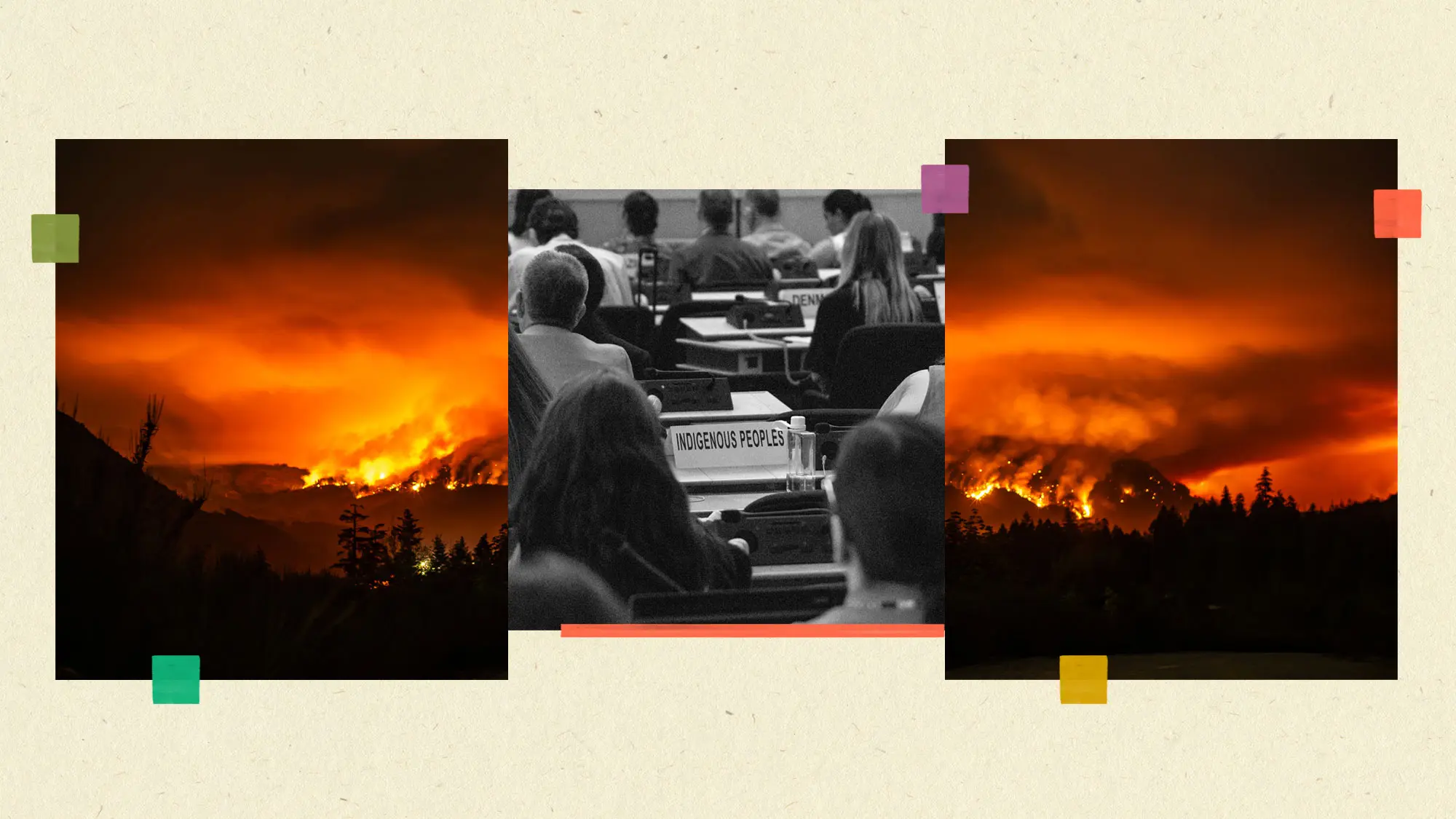
In April, a wildfire tore through 618 acres near the Xeni Gwet’in First Nation in western Canada, forcing evacuations. The blaze was extinguished after a few days, but the scare highlighted a persistent problem: authorities don’t issue alerts in Tŝilhqot’in, the only language many elders speak. Chantu William, a Tsilhqot’in youth policy coordinator, noted that elders are the community’s backbone, but they rely on the nation’s forestry crew to get word directly. “It would be nice if we had those preventative things on our own already,” he said.
At the United Nations Expert Mechanism on the Rights of Indigenous Peoples (EMRIP) meeting in Geneva this week, delegates from around the world aired similar grievances. A draft study based on over 80 submissions linked historical injustices, climate change, and conflict, arguing that upholding Indigenous rights is key to global peace. Ojot Miru Ojulu, an Anywaa delegate from Ethiopia, said conflict includes structural denial of self-determination and exclusion from decision-making. Viliuia Choinova, a Sakha activist from Russia, noted that her people face unchecked extractive industries, environmental destruction, and language erosion. “My language was considered one of the more stable ones,” she said, “but it’s degrading really fast.”
Sara Wilson, a researcher at Simon Fraser University, calls this a “crisis communication gap.” Her research points to underfunding, language erasure, and exclusion from crisis decisions. The Northwest Territories government, which recognizes 11 official languages, issues alerts only in English and French - a failure exposed during the 2023 wildfires. A Climate Cardinals paper found that up to 6.5 billion people are excluded from climate info due to English dominance. In Aotearoa New Zealand, Māori communities hit by Cyclone Gabrielle in 2023 - which killed 11 and caused billions in damage - praised Māori-led response centers but called for a treaty-based framework giving them decision-making authority.
Indigenous delegates stressed that their knowledge isn’t just for them. “Indigenous peoples are not merely victims of conflict,” Choinova said, “but rights holders with the knowledge and capacity to shape a just and lasting peace.”
The Good Times
News in your inbox.
One sardonic roundup, delivered on your schedule. Free. Unsubscribe whenever your tolerance for wit runs out.
Already subscribed but we never reach your inbox? Check your spam folder and hit 'Not spam' (or 'Remove from spam') to bust us out of junk-mail purgatory. You'll be helping everyone else too.
Don't open any of our emails for a month and you'll be automatically removed from the mailing list.
Rewrite Article
Select parts to regenerate with a fresh AI pass. Translations will be updated automatically.
Generate AI Image
Creates a sardonic version of the article image using OpenAI.