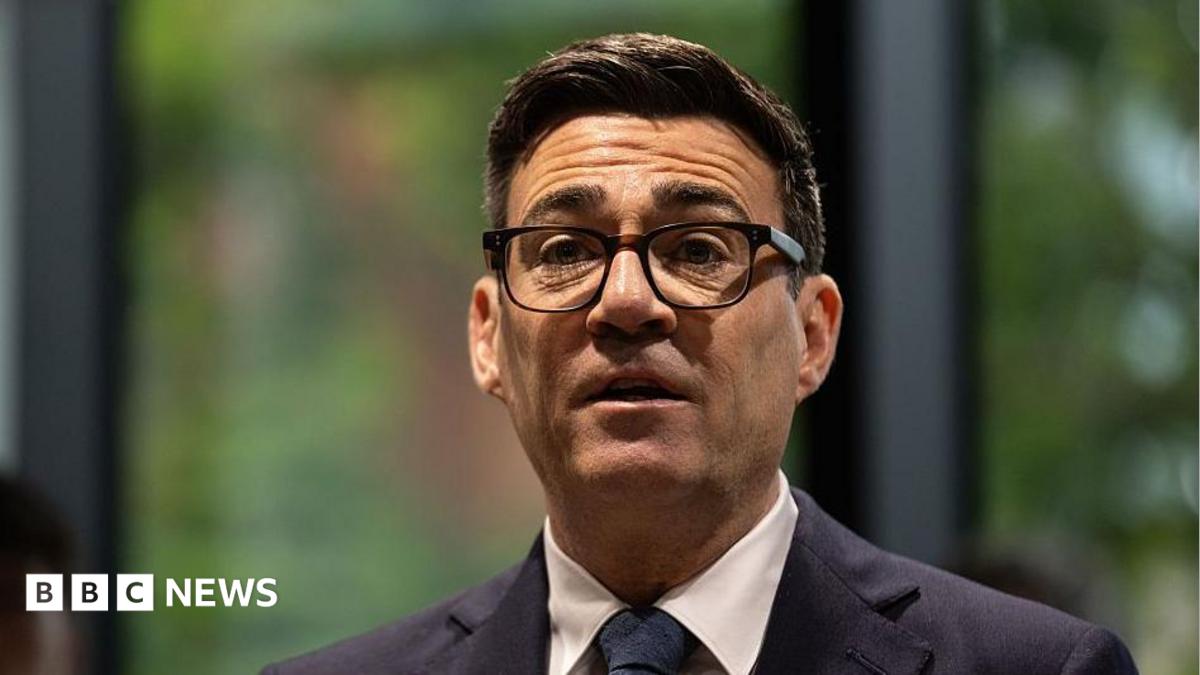
Burnham Promises to Tackle Three Things Everyone Agrees Are Broken, No Details Yet
Andy Burnham plans to fix social care, youth unemployment, and devolution - three issues that have been 'ignored for too long' by everyone, including, presumably, his own party.
Andy Burnham will give a speech on social care next week, part of what No 10 is calling an effort to show he is "hitting the ground running" as prime minister. He'll also separately address youth unemployment and devolution in the coming week. Downing Street described the three areas as "some of the most difficult issues facing the country that have been ignored for too long" - which is a bit like saying water is wet, but at least someone's saying it.
Burnham first proposed a universal social care system in England back in 2009 when he was health secretary under Gordon Brown. He has vowed to spend political capital on the issue as PM, presumably having hoarded it for 16 years. A No 10 source said: "Andy is going to run towards problems that have been neglected, giving people hope again." The source added: "He has the courage to fix the most difficult issues that have been ignored for years and seen as impossible to resolve. He doesn't accept that they are. They can't be ignored any longer."
Unlike the NHS, social care isn't free at the point of use, and people with savings over £23,250 get no help from their local council. Burnham isn't the first leader to pledge to fix this. In 2019, Boris Johnson said the Tories would "fix the crisis in social care once and for all." Five years later in July 2024, Keir Starmer scrapped plans for an £86,000 cap on personal care costs. So, history suggests optimism is warranted - but perhaps not blind faith.
Liberal Democrat leader Sir Ed Davey, who has pushed for reform, said: "This has to be the start of a real effort to end the social care catastrophe." He added: "I'll fight to ensure family carers aren't forgotten. We need cross-party consensus, and I hope the PM's door is open." Burnham replied on X: "It most certainly is, Ed. Let's work together to find some common ground."
Conservative chairman Kevin Hollinrake asked: "Where's the money coming from, Andy? We're all dying to know." A fair question, given Burnham's first-week pledges include ending rough sleeping, cutting VAT on domestic electricity, reducing the bus fare cap from £3 to £2 from January, and cutting business rates for pubs, clubs, and live music venues by 20% from April. That's a lot of promises. Now, about that money…
The Good Times
News in your inbox.
One sardonic roundup, delivered on your schedule. Free. Unsubscribe whenever your tolerance for wit runs out.
Already subscribed but we never reach your inbox? Check your spam folder and hit 'Not spam' (or 'Remove from spam') to bust us out of junk-mail purgatory. You'll be helping everyone else too.
Don't open any of our emails for a month and you'll be automatically removed from the mailing list.
Rewrite Article
Select parts to regenerate with a fresh AI pass. Translations will be updated automatically.
Generate AI Image
Creates a sardonic version of the article image using OpenAI.