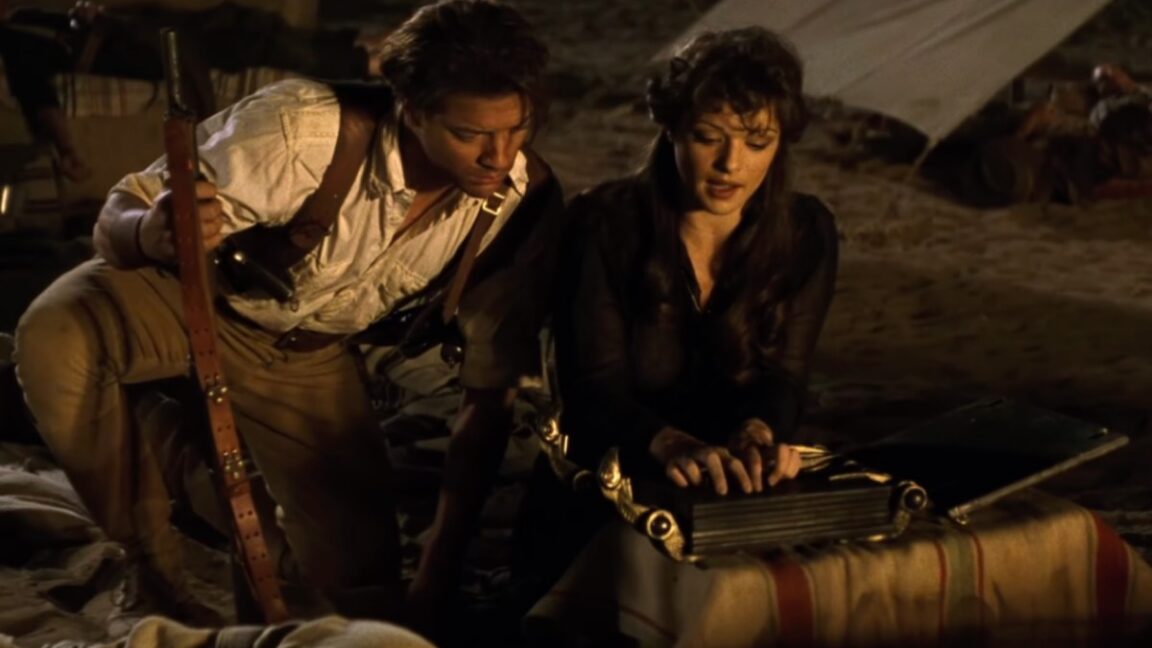
Thinking of adding a mummified hand to your collection to really tie the room together? You might want to reconsider - not just because it's probably illegal, but because it could literally kill you. A new paper in the International Journal of Cultural Property warns that mummified remains sold online are often riddled with toxic substances and dormant microbes just waiting to recolonize your living room.
The mummification process has historically relied on heavy metals like arsenic, mercury, and lead, and the resulting remains can harbor bacteria, fungi, and yeasts that stay dormant for centuries. If stored improperly - say, in a shoebox under your bed - these microbes can multiply and become airborne, leading to respiratory infections, fever, and other delights. The legendary "mummy's curse" associated with King Tut's tomb? Likely just toxic spores, not supernatural vengeance.
Consider the cautionary tale of Grand Duke Casimir IV Jagillon: in 1973, scientists opened his 15th-century tomb in Poland, and 10 of the 12 present died from Aspergillus flavus spores. Even Lord Carnarvon, who funded Howard Carter's Tut expedition, died after an infected mosquito bite - but his death was more likely due to his chronic lung issues than a curse. Carter dismissed the curse theory as "tommy-rot," and a 1994 Lancet report confirmed Carnarvon died of pneumonia from a streptococcal infection, not ancient mold.
But the health risks are real, and the internet is making it worse. Researchers led by Kirsty Squires of the University of Staffordshire scoured Facebook, Instagram, e-commerce sites, and auctioneers, finding 128 posts offering mummified remains - mostly human body parts like hands, feet, and shrunken heads, plus a cat, a falcon, an ibis, a perch, and a primate skull. Only one seller offered a complete mummy, which makes sense since those are rare and pricey.
Alarmingly, 13 Facebook posts showed visible fungal growth in the photos - yellow spots, white spots, black and pink patinas - the result of improper storage. Sellers were often aware of legal issues, specifying where shipments were banned, but offered no safety guidance. "Mummified remains are being mailed to buyers... with little (if any) consideration of the health and safety implications," Squires said.
The authors call for clearer guidelines to prevent buyers and sellers from ignoring the risks. But honestly, if you need a reminder that ancient body parts might harbor deadly fungus, you probably shouldn't be buying them in the first place.
The Good Times
News in your inbox.
One sardonic roundup, delivered on your schedule. Free. Unsubscribe whenever your tolerance for wit runs out.
Already subscribed but we never reach your inbox? Check your spam folder and hit 'Not spam' (or 'Remove from spam') to bust us out of junk-mail purgatory. You'll be helping everyone else too.
Don't open any of our emails for a month and you'll be automatically removed from the mailing list.
Rewrite Article
Select parts to regenerate with a fresh AI pass. Translations will be updated automatically.
Generate AI Image
Creates a sardonic version of the article image using OpenAI.