Welsh Parents Report: Poverty Is Still a Real Downer, Would Not Recommend
In Wales, a third of children live in poverty - a number unchanged for 30 years - and parents are crying in bed about it while politicians offer the same old promises.
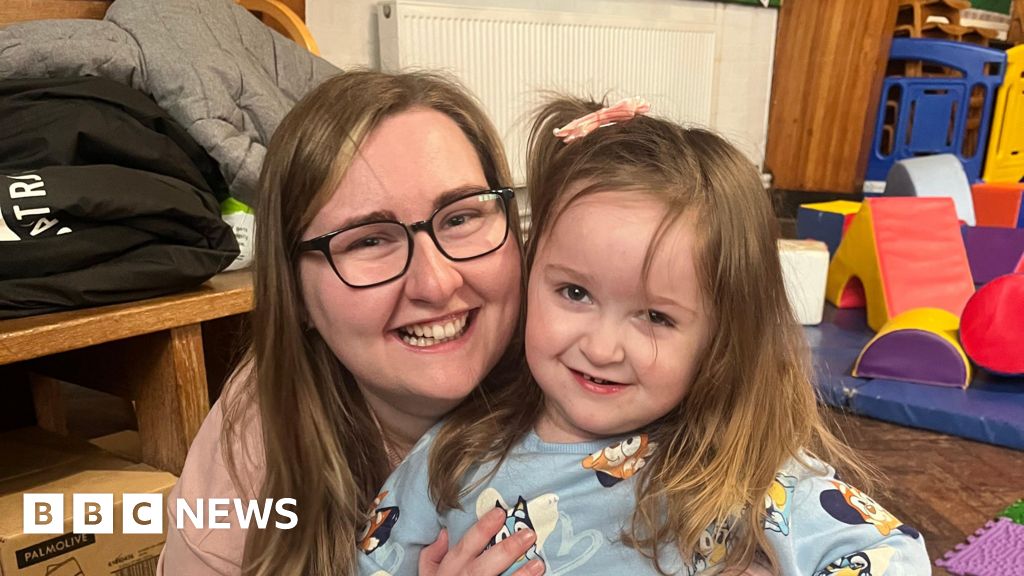
Rebecca, a single mother in Swansea, has a three-year-old daughter who likes to play with her mother's hair. What Rebecca would also like to play with is the idea of not crying herself to sleep over her inability to provide basic things. 'The amount of times I will lay in bed and just cry because there's so much I want to give her that I can't give her,' she said. 'Mentally, emotionally it takes a massive, massive toll.' She adds that being a parent is hard enough without adding 'the cost of living and poverty, because that's exactly where we are now in Wales.'
Danielle, mother of four at the same Teilo's Community Cwtch playgroup, describes the struggle to 'keep above the emergency.' She often decides her children's after-school club is more important than anything she might want for herself. Her wish for politicians: year-round help with energy costs, not just the winter warm house assistance. 'Heating blankets, heating grants, anything helps really.'
About 32% of Welsh children live in poverty, the highest rate among the four UK nations, according to March data. This number has remained stubbornly unchanged for three decades despite a parade of policies from both Welsh and UK governments. Children's Commissioner for Wales Rocio Cifuentes calls the 2016 abandonment of the child poverty elimination target 'a very lamentable dereliction of duty.' She's seen children come to school with near-empty lunchboxes and decide which days they can afford the bus fare to attend.
The upcoming Senedd election on 7 May features the usual pledges: free childcare from Conservatives, Greens, Labour and Lib Dems; a £10 weekly payment for low-income families from Plaid Cymru; and a income tax cut from Reform. Cherrie Bija of Faith in Families, which runs the playgroup and a foodbank, notes that families working one or two jobs still can't pay rent or buy essentials. 'The need is greater and the type of people accessing support is changing,' she said. For parents who grew up in poverty themselves, breaking the cycle is the desperate hope - but as Bija puts it, when you're 'stuck in this cycle continuously,' finding the opportunity to escape is rather the point.
The Good Times
News in your inbox.
One sardonic roundup, delivered on your schedule. Free. Unsubscribe whenever your tolerance for wit runs out.
Already subscribed but we never reach your inbox? Check your spam folder and hit 'Not spam' (or 'Remove from spam') to bust us out of junk-mail purgatory. You'll be helping everyone else too.
Don't open any of our emails for a month and you'll be automatically removed from the mailing list.
Rewrite Article
Select parts to regenerate with a fresh AI pass. Translations will be updated automatically.
Generate AI Image
Creates a sardonic version of the article image using OpenAI.