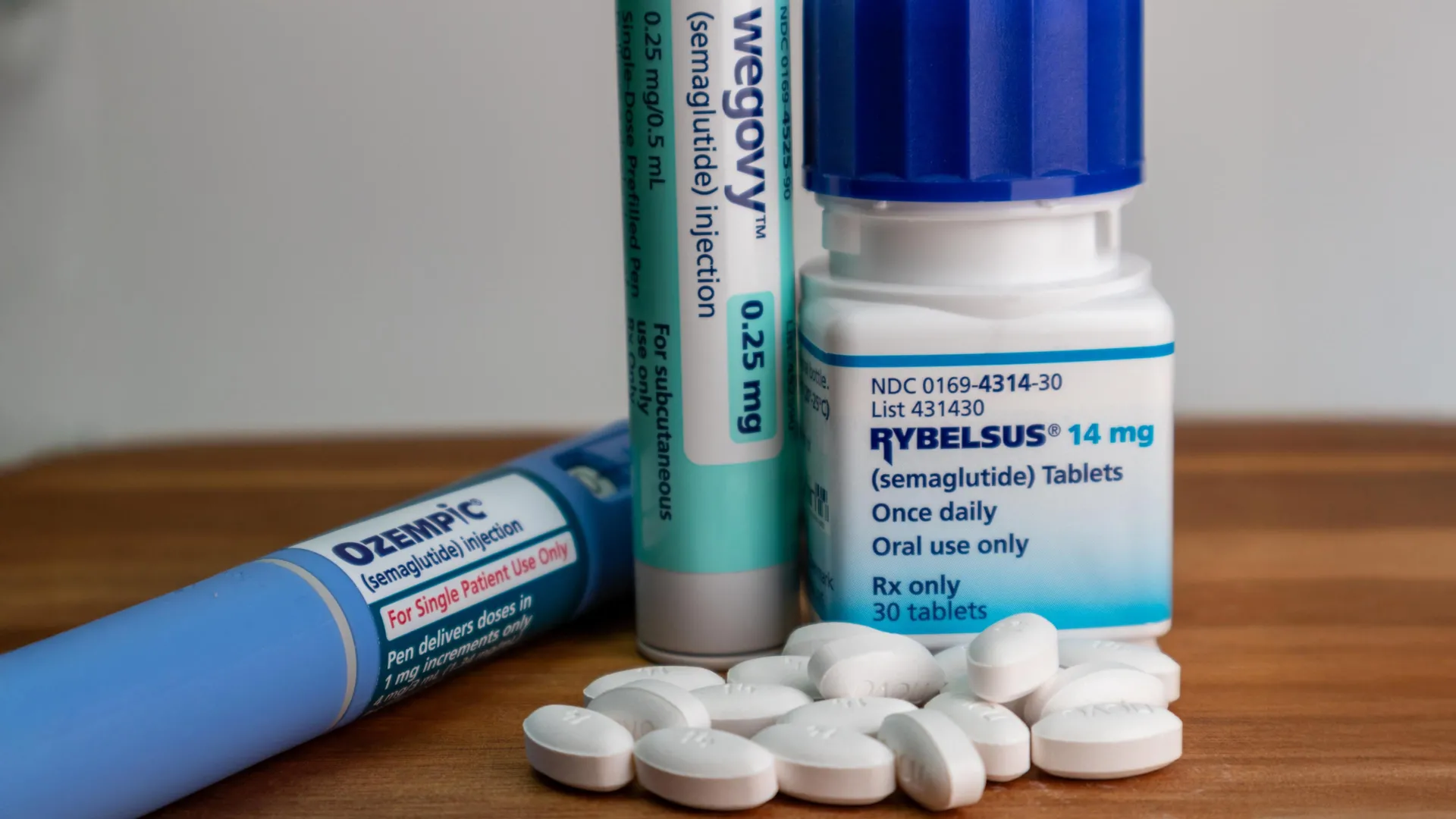
A new study suggests that Wegovy, the popular weight loss drug, may carry a higher risk of a rare eye condition that can cause sudden blindness compared with other semaglutide medications. Because apparently, shedding pounds now comes with a side order of potential vision loss.
The condition, called ischemic optic neuropathy (ION), occurs when blood flow to the optic nerve is reduced or blocked, leading to sudden partial or complete blindness in one or both eyes. It’s rare, but the researchers say the findings raise important safety questions as GLP-1 medications continue their global takeover.
Published in the British Journal of Ophthalmology, the study reviewed over 30.6 million adverse event reports from the FDA’s Adverse Event Reporting System (FAERS) between December 2017 and December 2024. Among these, 31,774 involved semaglutide drugs - Wegovy, Ozempic, and Rybelsus - plus tirzepatide drugs Mounjaro and Zepbound. The average age of people in the reports was 56, and 54% were women.
Wegovy showed the strongest association with ION, with odds nearly 75 times higher than expected. Ozempic showed odds of nearly 19, and generic semaglutide products showed odds of 21. No cases of ION were reported for Rybelsus, the oral tablet version. The risk signal for Wegovy was nearly five times stronger than for Ozempic.
Men using Wegovy had the highest signal overall, with odds 116 times higher than expected. Among women, the strongest signal appeared with Ozempic. Overall, odds of ION were more than three times higher in men than women.
Researchers suspect that injectable drugs act faster than oral ones, and Wegovy is prescribed at a higher dose than Ozempic, potentially increasing risk through blood pressure drops, fluid loss, and autonomic nervous system instability. But they caution that no direct cause-and-effect relationship has been proven. Media attention around Wegovy may have also boosted reporting of side effects.
Rybelsus’s limited absorption and slower uptake probably explain its absence of a detectable signal.
The study has limitations - the FDA system can’t determine actual occurrence rates or provide detailed patient health info - but the researchers call it “the first evidence of a formulation-and dose-dependent ION risk.” They urge “urgent prospective evaluation to guide prescribing and regulatory policy.”
Commentary authors agree, noting the findings add to “growing literature reporting ocular complications with [anti-obesity medications]” and demand “urgent clarification for ophthalmologists.”
Meanwhile, GLP-1 drugs are being explored for benefits beyond weight loss and diabetes - including reducing risks of cardiovascular disease, stroke, and dementia. Prescriptions are expected to keep rising. There’s also debate about using anti-obesity drugs in children over 12, which could potentially increase rare eye complications later in life.
On the flip side, researchers note GLP-1 drugs may benefit some eye conditions like age-related macular degeneration and uveitis. But they warn these potential benefits must be weighed against rare but serious risks like ION.
So, the takeaway: Wegovy might help you lose weight, but you might not see the result. Literally.
The Good Times
News in your inbox.
One sardonic roundup, delivered on your schedule. Free. Unsubscribe whenever your tolerance for wit runs out.
Already subscribed but we never reach your inbox? Check your spam folder and hit 'Not spam' (or 'Remove from spam') to bust us out of junk-mail purgatory. You'll be helping everyone else too.
Don't open any of our emails for a month and you'll be automatically removed from the mailing list.
Rewrite Article
Select parts to regenerate with a fresh AI pass. Translations will be updated automatically.
Generate AI Image
Creates a sardonic version of the article image using OpenAI.