In news that will surprise absolutely no one who has been to a grocery store recently, the UN Food and Agriculture Organization (FAO) has confirmed that food prices went up in July. Specifically, a basket of staple foods cost one per cent more than it did a year ago - a modest increase, sure, but one that somehow still manages to sting.
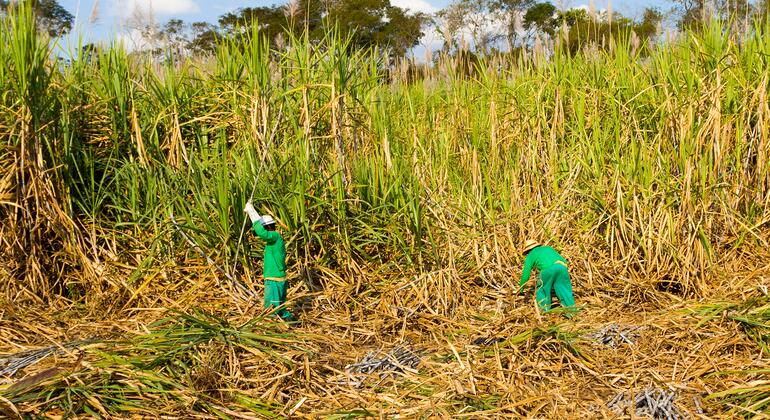
Sugar led the charge with a 5.6 per cent jump, because of course it did. The FAO blames "concerns about the potential impacts of persistent hot and dry weather on crop yields in the European Union and of El Niño-related weather conditions in key producing countries in Asia." In other words, the weather is being difficult again, and we're all paying for it.
Cereals also got in on the action, rising 3.4 per cent from June and settling 6.9 per cent above July 2025 levels. Wheat prices climbed 5.8 per cent, thanks to "continued disruptions" to Black Sea exports from Russia's ongoing invasion of Ukraine, plus heatwaves doing their best to ruin crops in several countries. Maize rose 3.6 per cent, fueled by hot, dry weather in parts of the United States and "spillover effects from firmer energy markets amid heightened geopolitical tensions." Because why not pile on?
The vegetable oil price index hit its highest level since June 2022, up two per cent, driven by demand from Indonesia's biodiesel sector and higher crude oil prices. Soy oil got pricier due to robust feedstock demand from the US, while sunflower and rapeseed oils actually went down - a small mercy in a world of rising prices.
Meanwhile, in related news, Malawi is seeing a "notable improvement" in hunger levels compared to the last two years, thanks to a good harvest in the 2025/26 farming season following severe El Niño impacts in 2024/25. But don't break out the party hats just yet: an estimated 1.9 million people are still in "crisis" levels of acute food insecurity (IPC Phase 3 out of 5), and things are expected to get worse during the October 2026 to March 2027 lean season, pushing 2.6 million people into crisis or worse. IPC experts warn that "high food prices, inflation, and below-average staple production are driving acute food insecurity," and forecast a strong El Niño for the 2026/27 rainy season - because the universe clearly has it out for us.
The Good Times
News in your inbox.
One sardonic roundup, delivered on your schedule. Free. Unsubscribe whenever your tolerance for wit runs out.
Already subscribed but we never reach your inbox? Check your spam folder and hit 'Not spam' (or 'Remove from spam') to bust us out of junk-mail purgatory. You'll be helping everyone else too.
Don't open any of our emails for a month and you'll be automatically removed from the mailing list.
Rewrite Article
Select parts to regenerate with a fresh AI pass. Translations will be updated automatically.
Generate AI Image
Creates a sardonic version of the article image using OpenAI.