UK's Cash Decline Slows, Because Apparently Even Dying Payment Methods Need a Grace Period
The UK is going digital, but cash is clinging on like a stubborn relative, with forecasts showing it'll still be used for two billion transactions in 2035.
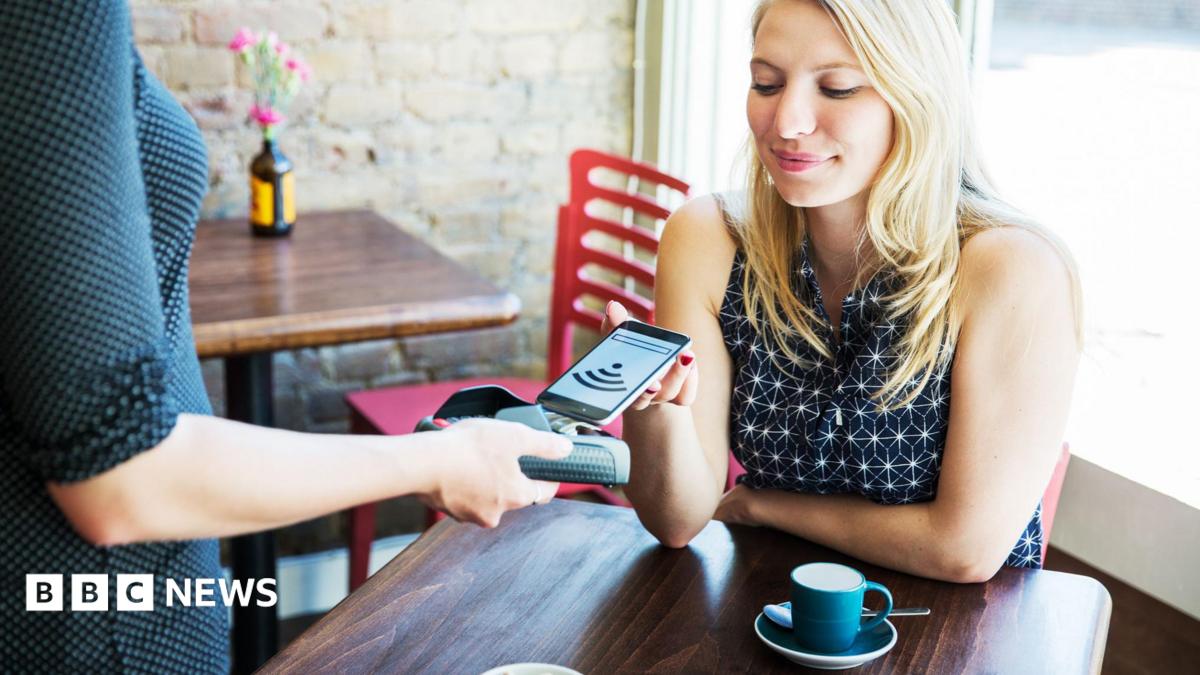
In news that will surprise absolutely no one who has ever fumbled for a card while a queue forms behind them, the UK is now a "predominantly digital economy" when it comes to payments, according to UK Finance. Their annual report reveals that two-thirds of British adults were registered with at least one mobile payment service last year, a decade after Apple Pay first graced our shores. That's right, it's been ten years since we've been able to pay for a coffee with a tap of our phones, and we've never looked back.
Nine in ten users of mobile wallets have their debit card as the default payment method, suggesting we're using phones for the mundane stuff - like buying bread - rather than just showing off. And while the youngsters are leading the charge (over 80% of 16 - 34-year-olds regularly pay by phone), even the over-65s are getting in on the act, with 22% of them embracing the future.
Cash, however, is not going gently into that good night. It seems the death of the pound in your pocket has been greatly exaggerated. Notes and coins were used in 3.9 billion transactions last year - about 8% of all payments - and UK Finance forecasts that will only halve to 4% by 2035. That's still two billion transactions, which is a lot of loose change rattling around. The report suggests we're not becoming a cash-free society, just one where cash is "less important than it once was but remains widely valued and still preferred by some."
Adrian Buckle, UK Finance's head of research, put it succinctly: "Our latest data show that the UK is now a predominantly digital economy when it comes to making and receiving payments." Meanwhile, cheques - those quaint paper relics - have withered to just 0.2% of payments, with 77 million written last year. They were supposed to be phased out by 2018, but MPs intervened, and now they're just sort of there, like that one friend who still uses a flip phone.
Despite the digital dominance, nearly 50 million people used a cash machine last year. Nick Quin from Link, which runs the UK's ATM network, noted that while withdrawals are falling everywhere, "millions still rely on cash day in, day out," particularly those on lower incomes who use it to budget. So, for now, cash is still king - or at least a prince regent with a diminished but loyal following.
The Good Times
News in your inbox.
One sardonic roundup, delivered on your schedule. Free. Unsubscribe whenever your tolerance for wit runs out.
Already subscribed but we never reach your inbox? Check your spam folder and hit 'Not spam' (or 'Remove from spam') to bust us out of junk-mail purgatory. You'll be helping everyone else too.
Don't open any of our emails for a month and you'll be automatically removed from the mailing list.
Rewrite Article
Select parts to regenerate with a fresh AI pass. Translations will be updated automatically.
Generate AI Image
Creates a sardonic version of the article image using OpenAI.