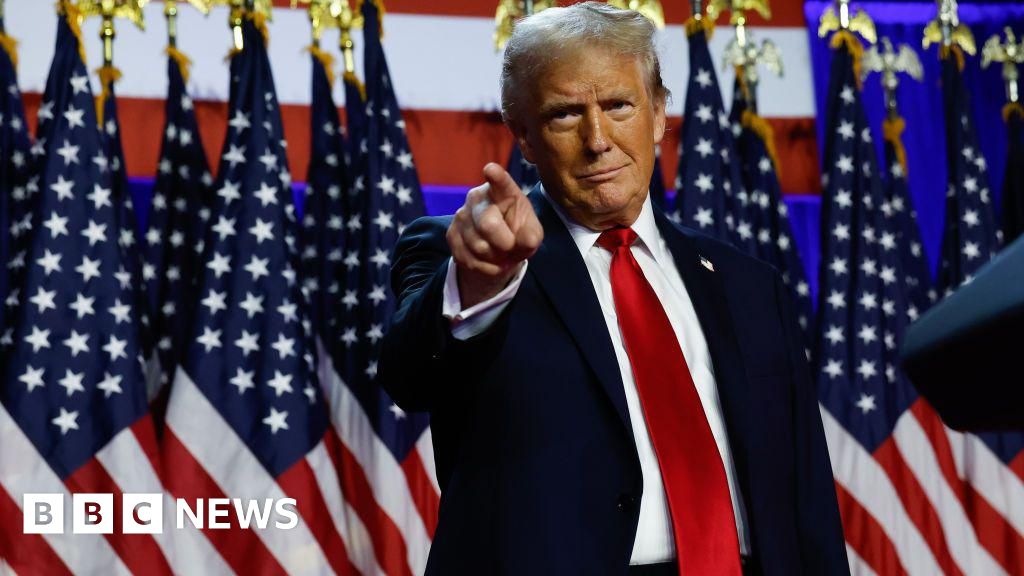
Donald Trump once predicted the US-Israeli war in Iran would last no longer than six weeks. It has now entered its third month, proving once again that presidential timelines are about as reliable as a weather forecast in a hurricane. The conflict has triggered a global energy shock on par with the 1970s oil crises, driving up prices of everything from fuel to groceries. Because nothing says “economic stability” like paying $4.30 for a gallon of gas when it was under $3 just a few months ago.
Despite piling additional pressure on already hard-pressed Americans, the latest GDP figures showed the economy motoring along in the first three months of 2026, growing at an annualized rate of 2%. That’s a significant boost after a slowdown at the end of 2025, and it came despite US tariffs hiking prices for shoppers and the fresh energy shock from the Iran war. Economists noted the hit to consumers wasn’t as bad as feared, with consumption growing by 1.6% on an annualized basis - but they also credited the growth to tech giants throwing huge sums at artificial intelligence (AI). James Knightley, chief international economist at ING, put it bluntly: “Investment linked to tech and AI has clearly become the main engine of growth in the US.” So, thank a chatbot for that GDP figure.
November’s midterm elections are on a knife edge, and the success of Trump’s Republican party will depend largely on the now-familiar political mantra: “It’s the economy, stupid.” But while headline growth figures are positive, Americans are much more likely to vote based on the cost of living - which, at the moment, feels like it’s having a party at their expense. Trump’s strikes on Iran and the subsequent closure of the Strait of Hormuz have driven oil prices up, with a barrel of Brent crude hitting a four-year high of $126 on Thursday before falling back to $111. That’s a long way from the $73 it was trading at before the war broke out at the end of February.
Americans are now paying $4.30 for a gallon of fuel, according to the American Automobile Association - up from less than $3 in February. That contributed to a sharp jump in inflation, with March’s average annual price increase hitting 3.3%, a near two-year high and a significant uptick from February’s 2.4%. The impact of the Iran war dashed any hope of an imminent interest rate cut by the Federal Reserve, which kept its base rate at 3.5% to 3.75% on Wednesday. Before the war, economists had expected a series of cuts. Now, Samuel Tombs at Pantheon Macroeconomics suggests rate cuts may be delayed until 2027, because who needs lower mortgage rates when you can have geopolitical turmoil instead?
Since US strikes on Iran began, the average interest rate for a 30-year mortgage has risen from 5.98% to 6.3%, according to Freddie Mac. That’s not great for anyone hoping to buy a home. But for those with money in the stock market, the war has been a surprisingly good time. The major US indices - the S&P 500, the Dow Jones Industrial Average, and the Nasdaq Composite - have all more than made back their early losses and continued their pre-war upward trajectory. The Nasdaq has gained about 10% since the conflict started, the S&P is up about 5%, and the Dow has risen by just over 1%. So if you’re a wealthy investor or have a 401k, you’re doing fine. If you’re buying groceries, not so much.
With the Republicans on course to lose control of the House and at risk of losing the Senate, November’s elections will depend massively on the state of the economy by the time voters head to the polls. While headline GDP growth and stock market rallies offer some comfort to Republican strategists, the spiraling cost of living remains a major concern. How much Trump can or cannot do in his remaining time as president will be influenced largely by how the Iran conflict plays out, whether the Strait of Hormuz is reopened, and whether that leads to lower fuel and grocery prices for American voters. But if the last few months are any guide, don’t hold your breath.
The Good Times
News in your inbox.
One sardonic roundup, delivered on your schedule. Free. Unsubscribe whenever your tolerance for wit runs out.
Already subscribed but we never reach your inbox? Check your spam folder and hit 'Not spam' (or 'Remove from spam') to bust us out of junk-mail purgatory. You'll be helping everyone else too.
Don't open any of our emails for a month and you'll be automatically removed from the mailing list.
Rewrite Article
Select parts to regenerate with a fresh AI pass. Translations will be updated automatically.
Generate AI Image
Creates a sardonic version of the article image using OpenAI.