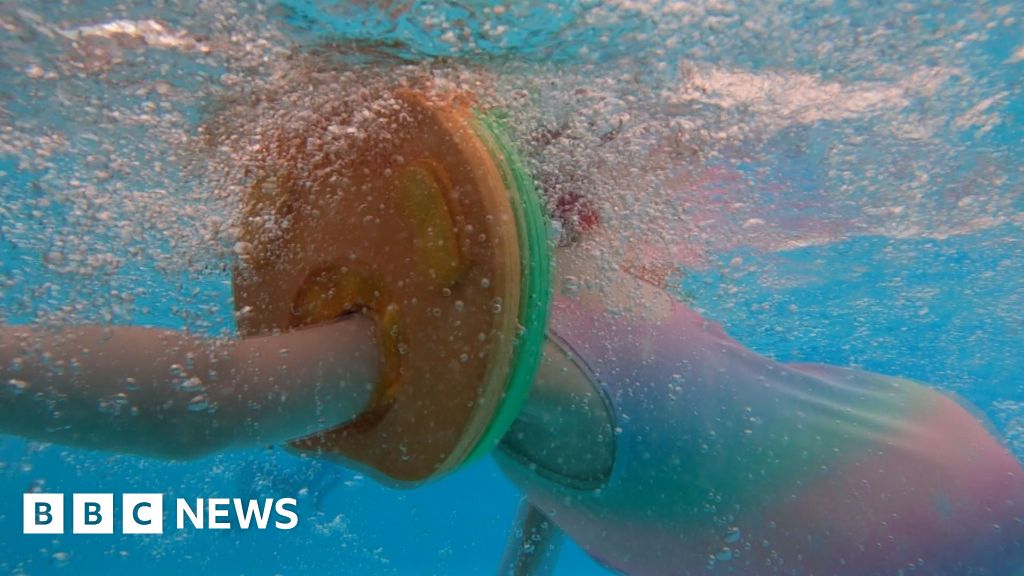
Swimming lessons are getting the Titanic treatment as pool closures and rising costs make a splash - but attention is turning to water safety as a new curriculum surfaces in September.
Come autumn, a shiny new Water Safety Forum will wade into primary and secondary schools, armed with a framework designed to teach kiddos not just how to swim, but how to survive when they inevitably ignore the "No Diving" sign. The City of Southampton Swimming Club, however, says schools need to paddle harder on teaching swimming first.
For many children, swimming is more than a fun activity - it's a life skill that could save their bacon. According to Swim England, about 90% of children in the south claim to love swimming. Yet only 77% leave primary school able to swim 25 meters - that's one lap without panicking.
Head Coach Matt Heathcock points a flipper at cost: "For myself and my family, you're looking at over £20 to £25 just to go for maybe an hour of swimming. And with pools closing, lessons are becoming more expensive too." Since the pandemic, pools across the country have been closing due to rising costs and lack of use, which Adam Goymer, Head of National Water Safety Manager, calls a "terrible investment." He adds, "That is certainly a call to action for government to invest in swimming pools to keep them running. Schools that are fortunate to have their own pool, it would be a sheer loss if they couldn't keep it because of costs."
At least 11 people across the UK died in water-related incidents during the heatwave at the end of May, including a 14-year-old at Hawley Lake near Farnborough. So while access to pools remains a problem, the focus is shifting to teaching children water safety. Currently, kids are taught to swim 25 meters in primary school, but it's compulsory only on paper - not all schools do it, and monitoring is about as effective as a screen door on a submarine.
The new Water Safety Code aims to drill key messages: "Stop and Think," "Stay Together," "Float," and "Call 999." Professor Mike Tipton of Portsmouth University, chair of the National Water Safety Forum, says learning to float is the key to survival. Recent data shows 61% of drowning victims aged 8 - 18 were described by friends and family as able to swim - because doing laps in a heated indoor pool doesn't prepare you for cold, choppy open water. "So if you find yourself in trouble in cold water because you've rushed in, then float to live is the message. Roll onto your back, tilt your head back into the water and just do as little as possible until you get your breathing under control, which will take about a minute."
The Good Times
News in your inbox.
One sardonic roundup, delivered on your schedule. Free. Unsubscribe whenever your tolerance for wit runs out.
Already subscribed but we never reach your inbox? Check your spam folder and hit 'Not spam' (or 'Remove from spam') to bust us out of junk-mail purgatory. You'll be helping everyone else too.
Don't open any of our emails for a month and you'll be automatically removed from the mailing list.
Rewrite Article
Select parts to regenerate with a fresh AI pass. Translations will be updated automatically.
Generate AI Image
Creates a sardonic version of the article image using OpenAI.