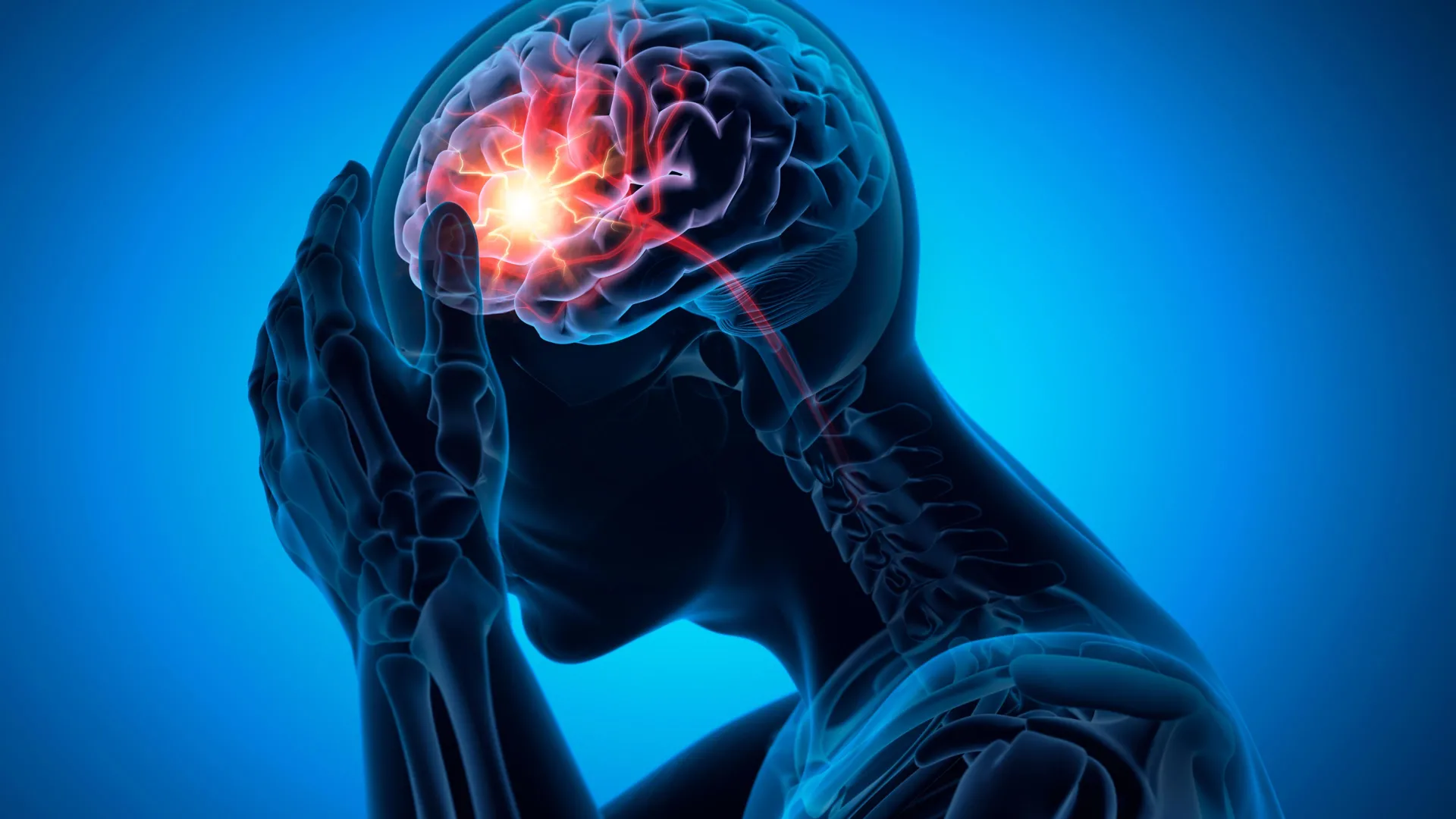
For decades, doctors have been throwing aspirin at a common type of stroke, assuming the problem was fatty plaque clogging up arteries like a backed-up kitchen sink. But new research suggests they may have been targeting the wrong culprit entirely.
Scientists from the University of Edinburgh, the UK Dementia Research Institute, and international collaborators have found that lacunar ischemic stroke - a major cause of disability and cognitive decline - is not primarily caused by fatty buildup in larger arteries. Instead, the real villain appears to be changes in the brain's own tiny blood vessels, specifically the enlargement and widening of arteries.
The study, published in the journal Circulation, examined 229 people who had suffered either a lacunar stroke or a mild non-lacunar stroke. Participants underwent MRI brain scans shortly after their stroke and again one year later. The team compared two vascular changes: fatty narrowing of larger arteries and the widening and elongation of arteries within the brain.
Artery narrowing, the team found, was not associated with lacunar stroke or small vessel disease. But artery widening was a different story: patients with enlarged arteries were more than four times more likely to have experienced a lacunar stroke. The widened arteries were also linked to more severe small vessel disease, faster progression of brain damage, and a greater likelihood of developing new 'silent' strokes - small areas of brain damage that occur without obvious symptoms. More than one in four participants developed these silent strokes during the study, even while receiving standard preventive treatments.
The findings help explain why medications like aspirin and other antiplatelet drugs have had limited success in preventing lacunar strokes. They also point toward new treatment strategies, including the ongoing LACunar Intervention Trial 3 (LACI-3), which is evaluating drugs like cilostazol and isosorbide mononitrate that aim to protect the brain's smallest blood vessels.
"This study provides strong evidence that lacunar stroke is not caused by fatty blockage of larger arteries, but by disease of the small vessels within the brain itself," said Joanna Wardlaw, Professor of Applied Neuroimaging at the University of Edinburgh and Group Leader at the UK Dementia Research Institute. "Recognising this distinction is crucial, because it explains why conventional treatments like antiplatelet drugs are not as effective for this type of stroke."
So the next time you feel a stroke coming on, maybe skip the aspirin and start worrying about your brain's plumbing instead. Science is nothing if not humbling.
The Good Times
News in your inbox.
One sardonic roundup, delivered on your schedule. Free. Unsubscribe whenever your tolerance for wit runs out.
Already subscribed but we never reach your inbox? Check your spam folder and hit 'Not spam' (or 'Remove from spam') to bust us out of junk-mail purgatory. You'll be helping everyone else too.
Don't open any of our emails for a month and you'll be automatically removed from the mailing list.
Rewrite Article
Select parts to regenerate with a fresh AI pass. Translations will be updated automatically.
Generate AI Image
Creates a sardonic version of the article image using OpenAI.