Scientists Find Possible Way to Keep Statins From Being the Worst
Researchers at McMaster University may have found a way to keep statins' muscle pain from being the side effect that dare not speak its name, potentially letting patients have their cholesterol-lowering cake and eat it too.
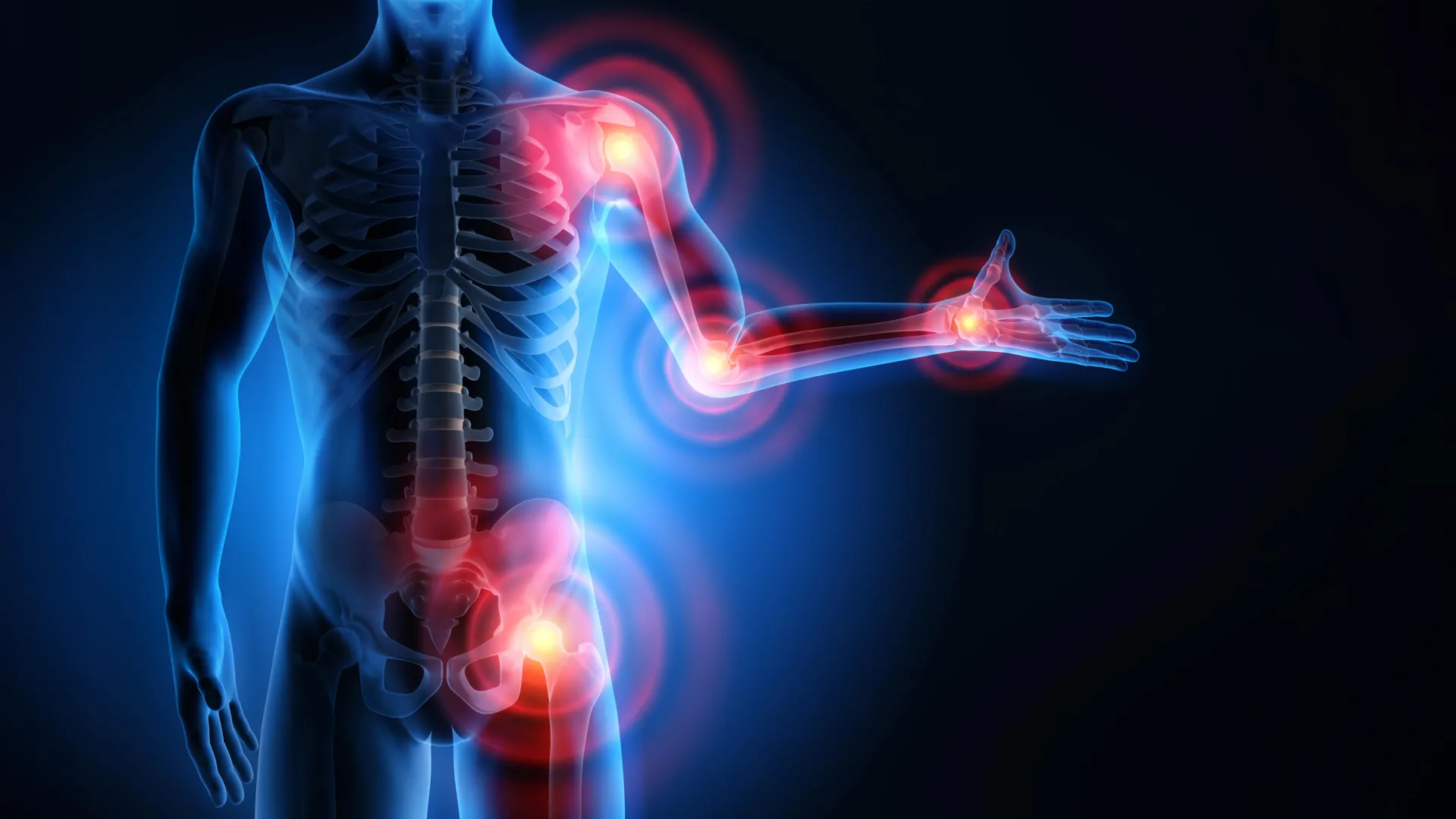
Millions of people dutifully pop statins to lower cholesterol and dodge heart attacks and strokes, only to be ambushed by muscle pain, weakness, and a sudden aversion to exercise. For those unlucky souls, the cure can feel worse than the disease - or at least make staying on the medication a real workout in itself.
But fear not, weary pill-takers: researchers at McMaster University have identified a biological pathway that might explain why these muscle symptoms crash the party. The discovery could lead to treatments that make statins more tolerable without sacrificing their heart-saving superpowers.
The study, published in Science Advances, points a finger at an unexpected interaction between the immune system and muscle cell metabolism. This mechanism appears to drive the muscle damage caused by statins, and it flips the script on earlier theories about why these side effects occur.
"Statins are among the most effective medications we have for reducing cardiovascular disease risk and preventing early death," said Jonathan Schertzer, a professor in McMaster's Department of Biochemistry and Biomedical Sciences and the study's senior author. "Unfortunately, muscle side-effects lead some people to reduce their dose or stop taking the medication altogether. We wanted to understand why this happens and whether it might be possible to separate the side-effects from the benefits."
An estimated 7 to 29 percent of statin users experience muscle-related symptoms - a wide range that suggests either a lot of people are complaining, or some are just not complaining loudly enough. Although the link between statins and muscle problems has been known for years, the underlying biology has remained stubbornly mysterious.
The research, led by first authors Nazli Robin and Nicole Barra of the Schertzer Lab, found that statins can gum up the way muscle cells produce energy. This disruption triggers an immune response inside the muscle cells, leading to tissue damage. In experiments with muscle cells and mouse models, the team managed to block much of the damage by shutting down that immune response.
"One of the most exciting findings of the research is that the mechanism causing muscle side-effects appears to be separate from the mechanism that lowers cholesterol," said Schertzer. "That suggests it may one day be possible to target the side-effects without interfering with the cardiovascular benefits that make statins so valuable."
The study also stumbled onto an unexpected bromance between metabolism and immunity: when muscle cells changed how they processed energy, they activated their own immune response. This insight could help explain how inflammation contributes to medication side effects - and offers a potential workaround: target the immune pathway to protect muscle tissue while leaving the cholesterol-lowering effects intact.
More research is needed before this can become a treatment, but the newly identified pathway offers several promising targets for drugs designed to prevent statin intolerance. "These findings give us a clearer understanding of why some patients experience muscle symptoms and provide promising directions for making these important medications safer and more effective in the future," Schertzer added.
The project was a global affair, involving researchers from the Centre International de Recherche en Infectiologie (CIRI) in Lyon, France; the Centre for Muscle Research at the University of Melbourne, Australia; the Murdoch Children's Research Institute and The Royal Children's Hospital in Australia; York University in Canada; and McMaster's Department of Pathology and Molecular Medicine. Funding came from the Natural Sciences and Engineering Research Council of Canada (NSERC).
Materials provided by McMaster University. Note: Content may be edited for style and length.
And while we're at it, apparently AI can crack an 87-year-old math conjecture, hidden DNA traces were found in the Shroud of Turin, and a smart ring can track your glucose, alcohol, and more through sweat - so at least we're making progress in some areas.
The Good Times
News in your inbox.
One sardonic roundup, delivered on your schedule. Free. Unsubscribe whenever your tolerance for wit runs out.
Already subscribed but we never reach your inbox? Check your spam folder and hit 'Not spam' (or 'Remove from spam') to bust us out of junk-mail purgatory. You'll be helping everyone else too.
Don't open any of our emails for a month and you'll be automatically removed from the mailing list.
Rewrite Article
Select parts to regenerate with a fresh AI pass. Translations will be updated automatically.
Generate AI Image
Creates a sardonic version of the article image using OpenAI.