
In a groundbreaking development that surprises absolutely no one, the number of homeless children in England living in temporary accommodation has hit a record high, rising 5% in a year to 177,530, according to new government figures. Yes, you read that right - 177,530 children. That's roughly the population of a small city, except this city is made of B&Bs and hostels, and the residents aren't on vacation.
The January to March period marked the 18th consecutive quarterly increase, because apparently consistency is key - even if it's the consistency of a crisis. The total number of households in temporary accommodation also rose, by nearly 4% in a year, the Ministry of Housing, Communities and Local Government said. But hey, at least the number of children in B&Bs has fallen, which is like celebrating that the ship is sinking slower.
Enter Prime Minister Andy Burnham, who has pledged to introduce "the biggest council house-building programme since the postwar period." Ambitious, sure, but also a bit like promising to fix a leaky roof after the house has already flooded.
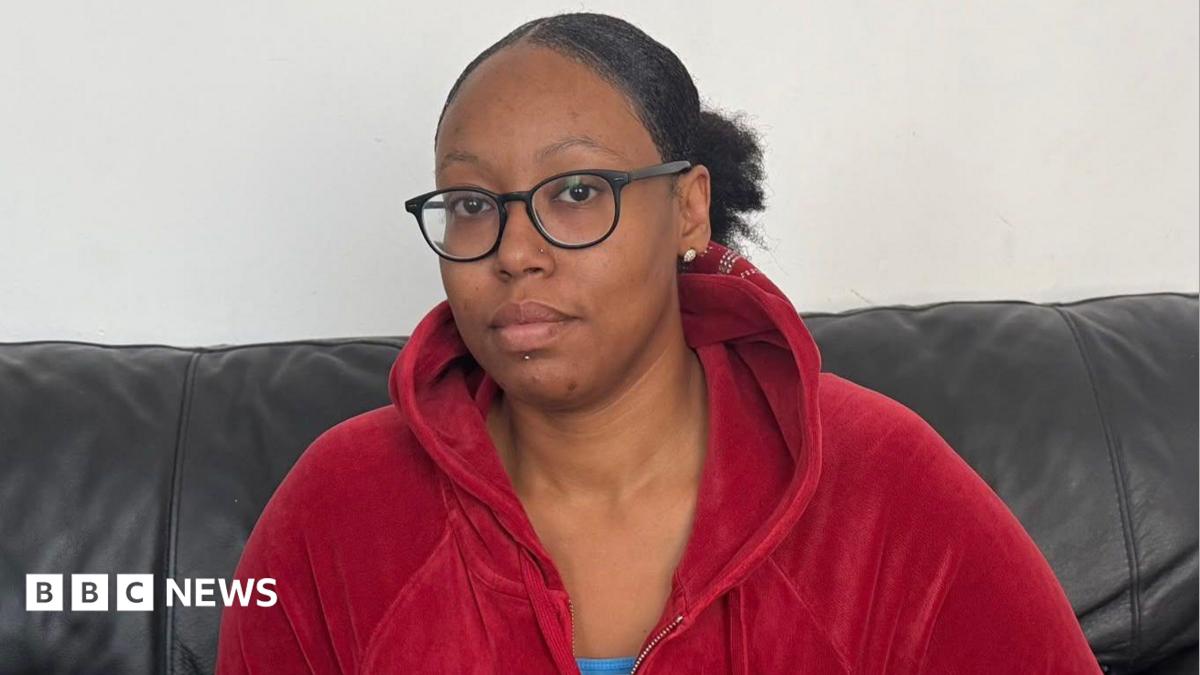
Meet Ronesha, 31, who has been living in temporary accommodation with her two sons since 2024, after being made homeless following a no-fault eviction. She couldn't afford to rent privately and discovered that many social landlords wanted prospective tenants to have a guarantor - because nothing says 'helping the homeless' like demanding a financial safety net from people who have none.
The family was housed in a B&B for seven weeks - beyond the six-week limit - without proper cooking facilities or a fridge for her son's medication, she said, before being moved into their current accommodation. "Living in temporary accommodation has taken a huge toll on my family," she said, and you can almost hear the understatement echoing.
Ronesha, who lives in North London, is a registered carer for her younger child, who has type one diabetes and other complex needs. He has found the instability of being moved between temporary homes very difficult to cope with, she said. His diabetes glucose monitor beeps in the night in the small flat, waking up her older son and distracting him from his GCSE studies. "He tried his best to do all the revision he could, but I felt really bad because there was nothing that I could do apart from giving alternatives like studying at a friend's house, or going to the library," Ronesha said. "It was very difficult for him to study at home." Because nothing says 'conducive to learning' like sharing a tiny flat with a beeping medical device and the weight of homelessness.
Section 21 "no-fault" evictions, where tenants can be evicted without giving a reason, are widely regarded as a key driver of homelessness, and were banned from May 2026. But Ronesha said "Section 21 is not the problem," adding: "My issue is the government allowing landlords to skyrocket rental prices, which are not in line with salaries." Ah, yes, the classic rent hike - the invisible hand of the market giving a gentle shove off a cliff.
The Labour government pledged to build 1.5 million new homes in England over the course of this Parliament, but is currently not on course to meet that target. Surprise, surprise.
"It is shameful that a record number of children are growing up without a home because decades of political failure have choked off the supply of genuinely affordable social homes," said Sarah Elliot, chief executive of housing charity Shelter. "Right now, too many children are spending their childhoods in temporary accommodation that is barely fit for a one-night stay, let alone years on end. Whole families are crammed into B&Bs, hostels and tiny bedsits that are freezing and damp in the winter and boiling in the summer." And yet, we're supposed to be impressed by a slight dip in B&B usage.
In his incoming speech as prime minister, Burnham suggested the UK was in the grip of a "housing crisis" and that he wanted to deliver "the biggest council house-building programme since the post-war period." Shelter said it wanted him to use October's Budget to "kickstart the council house revolution he promised" by removing financial barriers that prevent councils from building more social rent homes. Because the only thing standing between us and a housing revolution is a bit of red tape.
The total number of households in B&B accommodation fell by almost a quarter in the year to March, with the number of households containing children living in B&Bs falling by half. About 1,000 households with children had been in B&B accommodation for more than the six-week limit, although this represented a fall on a year earlier. Progress? Sort of, in the way that a glacier moving is progress.
"While it's welcome that more households are being helped into a home and fewer families are living in bed and breakfast accommodation, these figures show there is still a long way to go, with record numbers stuck in temporary accommodation," Housing Secretary Angela Rayner said. Indeed, a long way to go, like from here to 'actually having a home'.
The government has also pledged an additional £340m to end rough sleeping. Because if there's one thing that solves homelessness, it's throwing money at it after the fact - oh wait, that's exactly what this is.