Plant That Played Dead for 60 Years Finally Reappears, Thanks to a Random Photo
A plant declared extinct for 60 years was rediscovered after a horticulturalist posted a photo on iNaturalist, proving that sometimes the best science happens when you stop and smell the flowers - and upload them to the internet.
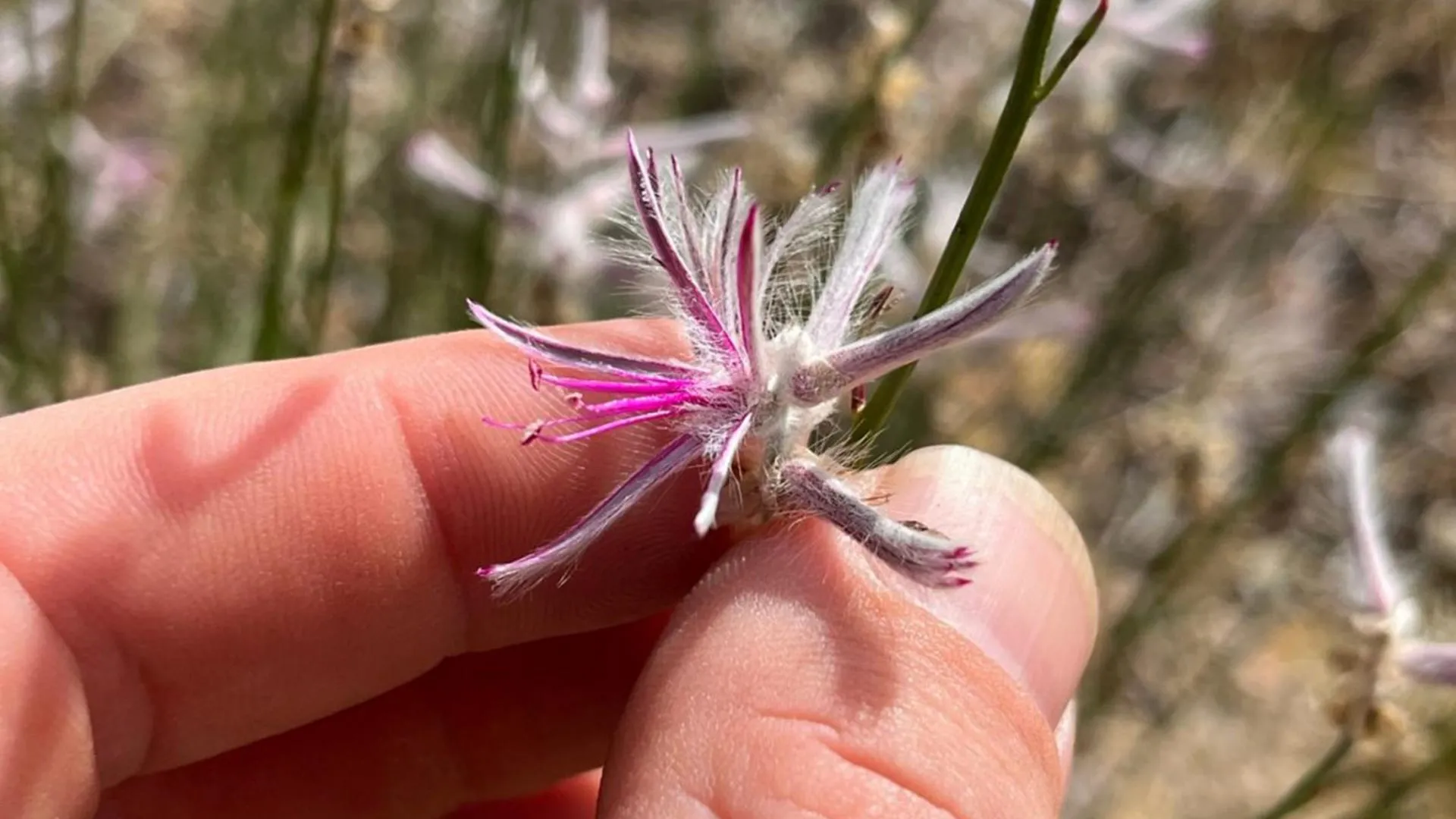
A plant that scientists had written off as extinct for nearly six decades has made a surprise comeback in remote northern Australia, all because someone snapped a picture and posted it online like it was a brunch plate. The rediscovery of Ptilotus senarius, a delicate shrub with purple-pink flowers that look like tiny feathered fireworks, is being hailed as a win for citizen science - and a reminder that nature still has a few tricks up its sleeve.
The saga began when Aaron Bean, a professional horticulturalist helping to band birds on a sprawling Queensland outback property, spotted the unusual plant and took a photo. After regaining phone service - because nothing says remote Australia like dropping off the grid - he uploaded the images to iNaturalist, a citizen science platform where anyone can play naturalist. Among millions of observations, the photos caught the eye of botanist Anthony Bean from the Queensland Herbarium, who immediately recognized the species he had actually described a decade earlier. Talk about a small world, or at least a small plant.
“It was very serendipitous,” said Thomas Mesaglio from the UNSW School of Biological, Earth and Environmental Sciences, who documented the rediscovery in the Australian Journal of Botany. “Aaron Bean is an avid iNaturalist user who opportunistically took some photos of a few plants that were interesting on the property.”
Ptilotus senarius had not been officially documented since 1967, leading scientists to believe it had joined the roughly 900 plant species that have vanished globally since the 1750s. But thanks to Aaron’s snap, Anthony’s expertise, and the property owner’s help in collecting a specimen, the plant has been upgraded from extinct to critically endangered - a promotion that comes with actual conservation efforts instead of a eulogy.
The rediscovery is part of a growing trend: ordinary people photographing plants and animals and uploading them to online databases, sometimes revealing species thought lost or even new to science. Australia’s vast size and biodiversity make it impossible for scientists to cover every inch, especially since about a third of the continent is private land. “If you are the property owner or you're someone who has permission from the owner to be there then suddenly it opens up this whole new world,” Mesaglio said.
Researchers are now encouraging more landowners to join the fun. In New South Wales, the Land Libraries project provides training and gear to help landowners document wildlife and upload findings to citizen science platforms. Mesaglio supports expanding such programs, noting that “engaging landholders themselves with science and the natural world and getting them more passionate about diversity makes them far more likely to be interested and invested in protecting that diversity.”
For aspiring citizen scientists, Mesaglio has a pro tip: don't just snap a flower close-up. Include leaves, bark, stems, and even the plant's smell if you can - because apparently, a good sniff can be the difference between a mystery and a discovery. The platform has already been cited in scientific papers across 128 countries and thousands of species, proving that your random hike photo might just rewrite a textbook.
The Good Times
News in your inbox.
One sardonic roundup, delivered on your schedule. Free. Unsubscribe whenever your tolerance for wit runs out.
Already subscribed but we never reach your inbox? Check your spam folder and hit 'Not spam' (or 'Remove from spam') to bust us out of junk-mail purgatory. You'll be helping everyone else too.
Don't open any of our emails for a month and you'll be automatically removed from the mailing list.
Rewrite Article
Select parts to regenerate with a fresh AI pass. Translations will be updated automatically.
Generate AI Image
Creates a sardonic version of the article image using OpenAI.