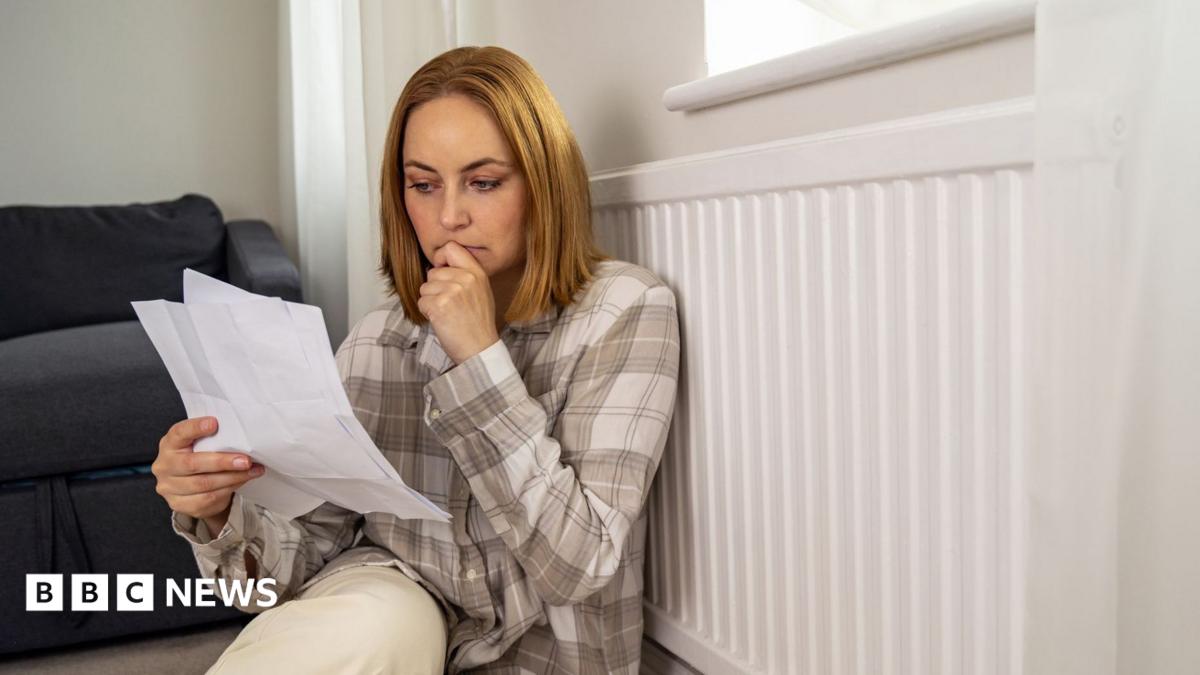
Just in time for the season of frostbite and festive despair, UK households are being told their energy bills are about to get pricier. Ofgem, the energy regulator, has announced a 4% increase in its price cap starting in October, pushing the typical annual bill to £1,723 - a three-year high. The culprit, as always, is the wholesale cost of gas, which suppliers pass on with all the enthusiasm of a kid sharing sweets.
This news lands just as the cold weather arrives, because timing is everything in the energy market. Around 22 million households in England, Wales, and Scotland will feel the pinch, though about 35% (or 11 million) are on fixed tariffs and are blissfully immune - for now. For the rest, that's an extra £60 a year (or £5 a month) if you're an average dual-fuel user, which is roughly the cost of a pint of milk a week, but with more existential dread.
The government, sensing a PR disaster, is slashing VAT on electricity from October, a move Ofgem's Neil Kenward grudgingly admits will soften the blow. Energy Secretary Miatta Fahnbulleh promises to 'keep looking at what more we can do to protect families from unaffordable bills,' which is political code for 'we're working on it, but don't hold your breath.'
Cornwall Insight, the energy analysts, are the harbingers of further doom, predicting a 9% rise in the new year, just in time for the coldest months. Because why not add insult to injury?
The rise is driven by wholesale costs, which make up just over a third of a dual-fuel bill. The average gas price has been 61% higher over the past three months compared to late 2025, according to Energy UK. And while some consumers have fled to fixed tariffs, many are still paying nearly 70% more than before Russia's invasion of Ukraine in 2022. The energy crisis, it seems, is the gift that keeps on taking.
Unpaid bills have skyrocketed, with total energy debt estimated at £6bn, expected to hit £7bn by year's end. The average debtor without a payment plan owes £3,500. Debt charities are crying out for a social tariff funded by taxation, and StepChange's Vanessa Northam notes that people are increasingly turning to credit for essentials, 'storing up problems further down the road.'
Meanwhile, real people are making real sacrifices. Single mum Dana Lazarevic from Leeds coordinates her washing to cheap weekend rates, while Jenny Wilson from Cheshire savors her summer ice creams, knowing winter will bring belt-tightening. Ofgem has even adjusted its 'typical' energy usage down to 9,500 kWh of gas and 2,500 kWh of electricity, because we've all learned to shiver in the dark.
If you're worried, Ofgem and charities suggest: review your budget, check your bills for accuracy, and - crucially - talk to your supplier, who may have schemes to help. Energy UK lists these schemes, but suppliers can only help if you actually tell them you're struggling. And don't forget, you might be missing out on £150 off your bill - because every little helps when the cap keeps rising.
The Good Times
News in your inbox.
One sardonic roundup, delivered on your schedule. Free. Unsubscribe whenever your tolerance for wit runs out.
Already subscribed but we never reach your inbox? Check your spam folder and hit 'Not spam' (or 'Remove from spam') to bust us out of junk-mail purgatory. You'll be helping everyone else too.
Don't open any of our emails for a month and you'll be automatically removed from the mailing list.
Rewrite Article
Select parts to regenerate with a fresh AI pass. Translations will be updated automatically.
Generate AI Image
Creates a sardonic version of the article image using OpenAI.