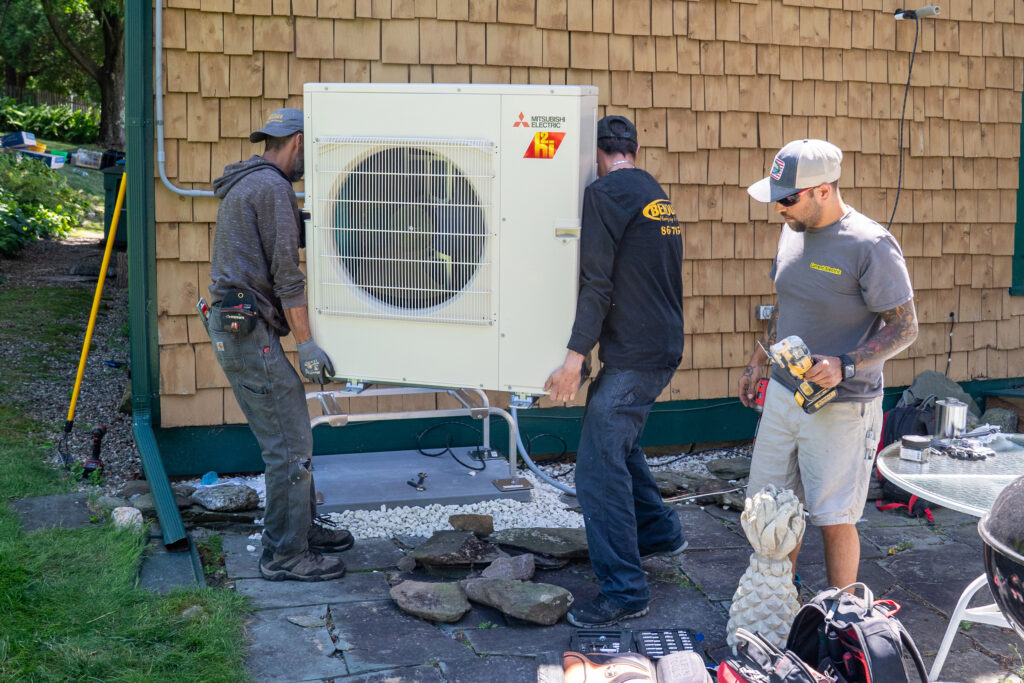
The Department of Energy has officially updated its home efficiency rebate programs, and the biggest loser is, unsurprisingly, the planet. The long-awaited guidance, published June 1, strips funding for switching your home from fossil fuels to electricity - a move that critics say is about as sensible as banning umbrellas during a monsoon.
The new rules govern how the $8.8 billion in consumer programs will be implemented, and they come with a few tweaks: diversity, equity, and inclusion considerations are out, and electrification incentives are dead. This follows President Trump’s executive order last year freezing funds from Biden’s Inflation Reduction Act, which a coalition of states managed to restore via an injunction in March 2025. States have been waiting for the DOE to reopen funding, and this guidance is the starting gun - albeit one that fires blanks for anyone hoping to ditch their gas furnace.
Environmental advocates were not thrilled. Tony Sirna of Evergreen Action called the guidance “flatly illegal,” arguing Congress intended to fund electrification. Srinidhi Sampath Kumar of the Sierra Club’s clean heat campaign said it’s “absolutely been done in bad faith” to give fossil fuels a lifeline. The DOE spokesperson, meanwhile, called the revisions “common-sense,” claiming they align with statutory requirements and advance affordability - which is a bit like saying a fire sale at a coal plant is good for air quality.
The guidance covers two programs: the $4.3 billion Home Owner Managing Energy Savings (HOMES) program, which offers up to $8,000 for upgrades that cut energy use by 20%, and the $4.5 billion High-Efficiency Electric Home Rebate (HEEHR) program, which provides up to $14,000 in point-of-sale rebates for efficient electric equipment. Previously, both encouraged switching from oil, gas, or other fossil fuels to electric heat pumps. Now, heat pump funding is only available for new construction or homes that already have electric heat - because why let progress get in the way of a good fossil fuel habit?
Also new: households must upgrade insulation and air sealing before they can use rebates for appliances. And the Biden-era focus on low-income and disadvantaged communities? Gone, thanks to the administration’s opposition to DEI and the elimination of the Justice40 environmental justice initiative. Sam Friesen of Fresh Energy called the guidance a “fundamental departure” from Congressional intent, warning it will confuse consumers who planned under the old rules.
Robin Yochum of the Southwest Energy Efficiency Project was cautiously optimistic about the programs finally moving forward but lamented the limits on fuel switching, calling it “one of the most transformative aspects of the original program design.” Mark Kresowik of the American Council for an Energy-Efficient Economy praised the potential to lower utility bills but mourned the new restrictions.
States administer the money, but the feds must approve their plans. Most states plus D.C. have some approvals already, but they have three months to tweak their programs to comply. South Dakota has declined to participate, and Idaho’s legislature has taken steps to stop. For consumers wondering what’s available, the advice is to contact your state energy office - and maybe invest in a good sweater.
The Good Times
News in your inbox.
One sardonic roundup, delivered on your schedule. Free. Unsubscribe whenever your tolerance for wit runs out.
Already subscribed but we never reach your inbox? Check your spam folder and hit 'Not spam' (or 'Remove from spam') to bust us out of junk-mail purgatory. You'll be helping everyone else too.
Don't open any of our emails for a month and you'll be automatically removed from the mailing list.
Rewrite Article
Select parts to regenerate with a fresh AI pass. Translations will be updated automatically.
Generate AI Image
Creates a sardonic version of the article image using OpenAI.