Cruise Ship Hantavirus Outbreak: The Andes Virus Is Not a New Cocktail
A cruise ship becomes a floating virology lab as hantavirus - including the rare person-to-person Andes strain - turns a dream vacation into a medical mystery, with passengers confined to cabins and experts dusting off their COVID-era playbooks.
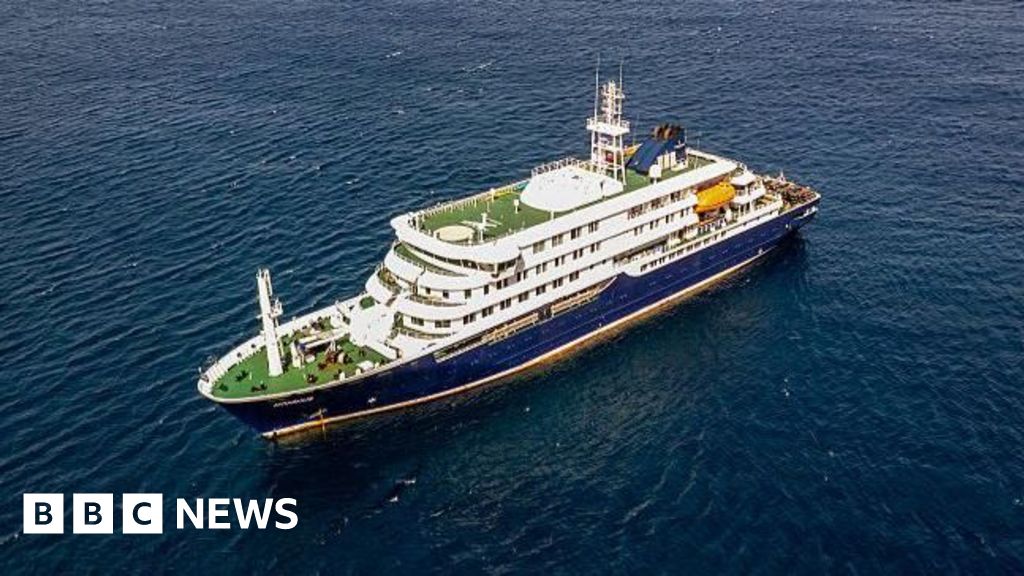
A cruise ship hit by a hantavirus outbreak is limping toward the Canary Islands, with three confirmed cases and five suspected ones aboard the MV Hondius. The confirmed cases include a Dutch woman who died, a British passenger in intensive care in South Africa, and a Swiss passenger being treated in Zurich. Suspected cases - a 56-year-old British man, a 41-year-old Dutch crew member, and a 65-year-old German national - have been medically evacuated to the Netherlands. None have tested positive yet, but two have shown symptoms. Two other British passengers are isolating at home after potential exposure.
Hantaviruses, named after a river in South Korea, are a family of over 20 viral species, almost all spread by rodent urine and droppings. The exception is the Andes virus, which can spread person-to-person, though rarely. It has been confirmed in two passengers - the British man in Johannesburg and the Dutch woman who died - according to South Africa's health minister. The Andes virus is mostly found in Argentina and Chile; in late 2018, an Argentinian outbreak traced to a party saw one person infect 34 others, with 11 deaths.
Passengers are confined to their cabins, evoking fond memories of COVID-era social distancing. Experts recommend isolating infected patients, handwashing, contact tracing, and infection control. It's unclear how the outbreak started; a Dutch couple who died had traveled in South America before boarding. The cruise visited remote wildlife areas, so a rodent encounter is possible. Genetic testing may help.
The virus causes two severe illnesses: Hantavirus Pulmonary Syndrome (HPS), with a 20-40% mortality rate, and Haemorrhagic Fever with Renal Syndrome (HFRS). There's no specific treatment, but early medical support - oxygen, ventilation, dialysis - can help. No widely available vaccine exists, though some are used in China and South Korea. Worldwide, about 150,000 HFRS cases occur annually, over half in China. In the US, 890 cases were reported from 1993-2023. In February 2025, Betsy Arakawa, Gene Hackman's wife, died from HPS linked to hantavirus after finding rodent nests in outbuildings.
Experts say the global risk is very low, with no evidence of spread beyond the ship. So unless you're on the MV Hondius or have a rodent problem in your shed, you can probably stop worrying.
The Good Times
News in your inbox.
One sardonic roundup, delivered on your schedule. Free. Unsubscribe whenever your tolerance for wit runs out.
Already subscribed but we never reach your inbox? Check your spam folder and hit 'Not spam' (or 'Remove from spam') to bust us out of junk-mail purgatory. You'll be helping everyone else too.
Don't open any of our emails for a month and you'll be automatically removed from the mailing list.
Rewrite Article
Select parts to regenerate with a fresh AI pass. Translations will be updated automatically.
Generate AI Image
Creates a sardonic version of the article image using OpenAI.