Ancient Skeletons Suggest Syphilis's Reputation May Be Unfairly Smearing Other Diseases
Ancient Vietnamese skeletons reveal that congenital treponemal disease isn't necessarily syphilis, throwing a wrench into Columbus-era origin theories and giving yaws a chance at the spotlight.
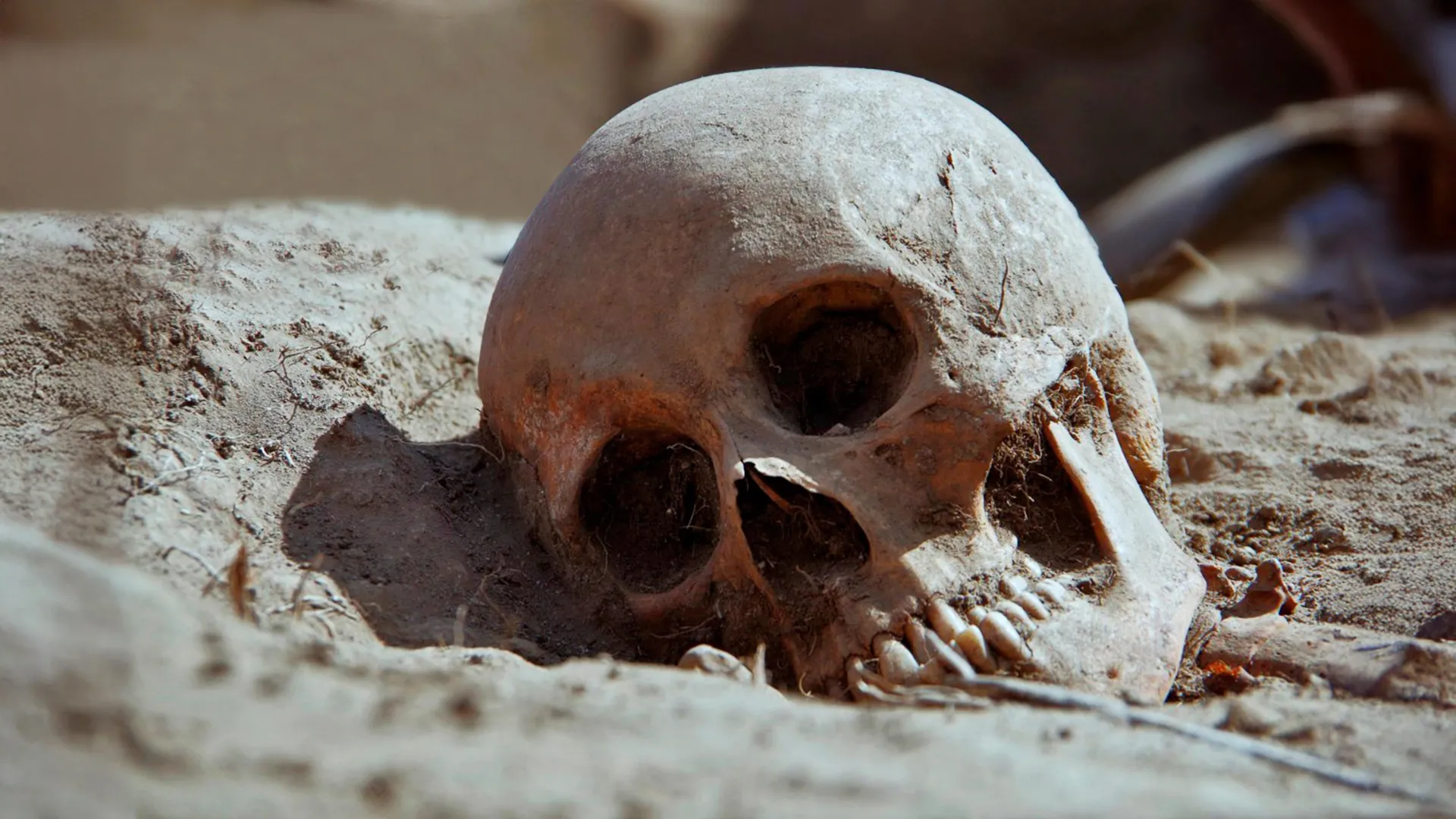
In a plot twist that would make a medical historian's head spin, a new study led by Charles Sturt University's Dr. Melandri Vlok suggests that the skeletal remains of children from prehistoric Vietnam are challenging the long-held belief that congenital transmission of treponemal diseases is a smoking gun for venereal syphilis. Instead, these ancient bones hint that other, less scandalous forms of these diseases - like yaws - could also be passed from mother to child.
The research, published in the International Journal of Osteoarchaeology, examined 309 individuals from 16 archaeological sites across Vietnam, spanning from 10,000 to 1,000 years before present. Among them, three young children showed unmistakable signs of congenital treponematosis - a group that includes syphilis, yaws, and endemic syphilis - with distinctive dental abnormalities and skeletal lesions dating back at least 3,500 years.
But here's the kicker: the overall pattern of infection at these sites, particularly at Man Bac in northern Vietnam, points away from venereal syphilis. Most cases were among children and adolescents, which is more consistent with nonvenereal forms like yaws, spread through skin contact rather than... well, other activities. As Dr. Vlok puts it, "The epidemiology of the site strongly points toward a non-venereal form of treponemal disease. Yet we still see evidence of congenital transmission. That's the surprising part."
This discovery throws a wrench into the long-running debate about syphilis's origins, particularly the question of whether it existed outside the Americas before Columbus. For decades, scientists have used congenital infection as evidence for pre-Columbian syphilis, but this study suggests that assumption may be as reliable as a chocolate teapot. "Some cases previously labeled as congenital syphilis may represent entirely different diseases," Dr. Vlok warns.
The team, including co-lead author Ms Minh Tran from the University of the Philippines, Diliman, also highlights the challenges of studying ancient diseases in tropical regions, where DNA preservation is about as good as a snowball's chance in hell, and ethical concerns about destructive sampling are increasingly front and center.
Ultimately, the researchers argue that treponemal diseases have a far more complex history than we've given them credit for, and future studies should focus on how these pathogens evolved alongside human populations - especially as yaws is re-emerging due to the climate crisis. So, next time you hear about syphilis, remember: it might not be the only treponemal disease with a mother-to-child transmission story to tell.
The Good Times
News in your inbox.
One sardonic roundup, delivered on your schedule. Free. Unsubscribe whenever your tolerance for wit runs out.
Already subscribed but we never reach your inbox? Check your spam folder and hit 'Not spam' (or 'Remove from spam') to bust us out of junk-mail purgatory. You'll be helping everyone else too.
Don't open any of our emails for a month and you'll be automatically removed from the mailing list.
Rewrite Article
Select parts to regenerate with a fresh AI pass. Translations will be updated automatically.
Generate AI Image
Creates a sardonic version of the article image using OpenAI.