Ancient DNA Reveals Parisian Ancestors Were Replaced by Strangers, Probably Because of Plague and Bad Vibes
DNA from a tomb near Paris shows the original population was replaced by newcomers from the south around 3000 BC, likely due to a cheerful mix of plague, environmental stress, and societal collapse.
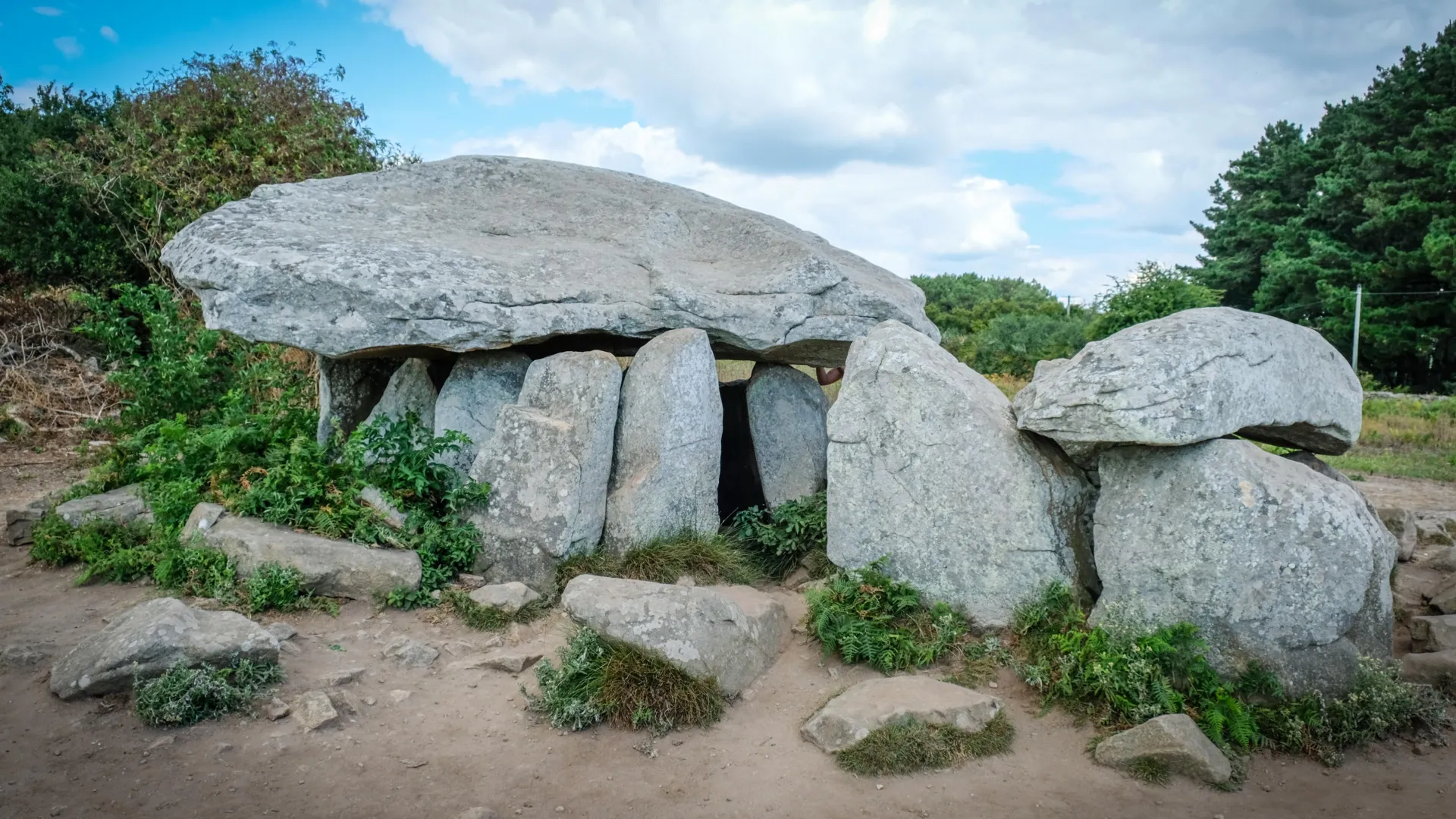
A new study in Nature Ecology & Evolution has confirmed that, much like a trendy Parisian apartment, a prime piece of real estate near Bury, about 50 kilometers north of Paris, saw a complete turnover in occupants around 3000 BC. Genetic analysis of 132 individuals from a large megalithic tomb shows the people buried before and after a significant population decline were not related, indicating a major population replacement.
"We see a clear genetic break between the two periods," said Frederik Valeur Seersholm of the University of Copenhagen. The earlier group resembled Stone Age farmers from northern France and Germany, while the later group had strong genetic links to southern France and the Iberian Peninsula. In short, the locals left, and some new folks from the south moved in, presumably after a thorough cleaning.
To figure out why the original tenants vacated, researchers used a DNA technique that captures all genetic material in bone. They found traces of ancient pathogens, including the plague bacterium Yersinia pestis and the organism for louse-borne relapsing fever, Borrelia recurrentis. However, plague alone didn't get the eviction notice. "The decline was likely driven by a combination of disease, environmental stress and other disruptive events," said senior author Martin Sikora. Examination of the skeletal remains also found unusually high death rates during the earlier period, especially among children and young people. "The demographic pattern is a strong indicator of crisis," noted Laure Salanova of France's CNRS.
The genetic findings also reveal a major shift in social structure. During the earlier phase, the tomb was a family affair, with extended kin buried together. After the collapse, burials became more selective and centered around a single male lineage. "This indicates that the population change was accompanied by a shift in how society was structured," Seersholm said.
The study adds to evidence that the so-called Neolithic decline affected large parts of northern and western Europe. It may also explain why the construction of megalithic tombs and other large stone monuments ended during this period. "We now see that end of these monumental constructions coincides with the disappearance of the population that built them," Seersholm observed, suggesting that when the builders are gone, so too are the building permits.
The Good Times
News in your inbox.
One sardonic roundup, delivered on your schedule. Free. Unsubscribe whenever your tolerance for wit runs out.
Already subscribed but we never reach your inbox? Check your spam folder and hit 'Not spam' (or 'Remove from spam') to bust us out of junk-mail purgatory. You'll be helping everyone else too.
Don't open any of our emails for a month and you'll be automatically removed from the mailing list.
Rewrite Article
Select parts to regenerate with a fresh AI pass. Translations will be updated automatically.
Generate AI Image
Creates a sardonic version of the article image using OpenAI.