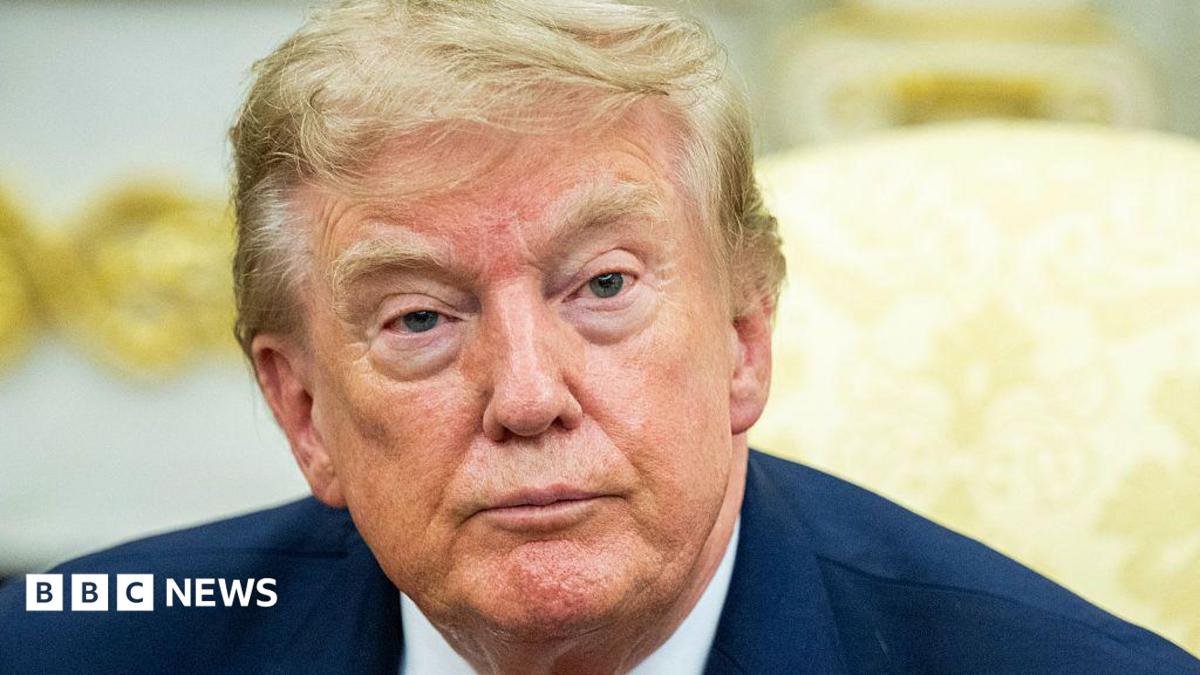
Trump Pauses Canadian Tariffs for Three Days, Claims a Deal (Sort Of)
Trump gives Canada a three-day reprieve from tariffs, claiming a deal is imminent - because nothing says 'deal' like a last-minute pause and a dream of resurrecting a pipeline.
In a move that surprised absolutely no one who has been paying attention, President Donald Trump announced he would delay the new 50% tariffs on Canadian goods for a grand total of three days, citing, of all things, the imminent finalization of a deal. "I have paused the 50% Tariffs against Canada, that were scheduled to kick in tomorrow morning for a three day period, based on the fact that Canada and the U.S.A., subject to the finalization of documents, have a DEAL!" Trump proclaimed on social media, presumably with a dramatic flourish.
The announcement came less than two hours before the tariffs - which would have hit nearly $20bn (C$28bn) worth of Canadian imports including wine, dairy, cement, clothing, and hockey equipment - were set to take effect. The two sides have been locked in a trade spat since July, when Trump threatened the levy with a deadline of 19 August. Negotiators have been burning the midnight oil, and Canadian Prime Minister Mark Carney, who has spoken with Trump twice this week, noted in a letter posted on X that "substantial progress has been made, although there is important work still to be done."
Trump also dangled the possibility of reviving the Keystone XL pipeline, which would carry 830,000 barrels of oil a day from Alberta to the US. The project was blocked by both the Obama and Biden administrations, and environmentalists and indigenous groups have long opposed it. Trump, however, seems to think it's a great idea to wake it from its Biden-induced slumber, writing on Truth Social: "The great Keystone XL Pipeline, long ago killed by Sleepy Joe Biden, may be awoken from the grave!"
The US Trade Representative said the deal would include "comprehensive market access for all American goods, economic security commitments, digital trade alignment," and other provisions that will "continue to protect our market and American workers, along with our Canadian partners." In other words, everyone gets a participation trophy.
The extension is welcome news for businesses on both sides of the border, who had warned that the tariffs would be mutually harmful. The US has already imposed tariffs on Canadian steel, aluminium, autos, and lumber, and Canada has retaliated with its own tariffs and a ban on US alcohol sales in most provinces. The US has been pushing Canada to drop its retaliatory tariffs on American autos, adjust dairy quotas for US cheese producers, and lift the alcohol ban.
In the final hours before the deadline, negotiators were reportedly discussing a deal that would reduce US tariffs on Canadian autos from 25% to 15%, but couldn't agree on which vehicles would qualify, with the US insisting on high American-made content. Carney will also need to get provincial premiers on board to reinstate US alcohol sales, since liquor sales are controlled at the provincial level. Ontario Premier Doug Ford, whose province is hardest hit by auto tariffs, said he'd consider lifting the ban if a "fair deal" is reached.
The US Chamber of Commerce weighed in, warning that "higher tariffs would damage both economies, drive up costs for US families, further disrupt critical supply chains, and risk the 13 million American jobs that depend on trade under the US-Mexico-Canada Trade Agreement." So, you know, no pressure.
Meanwhile, many Canadians are boycotting the US, which is doing wonders for their travel plans to, well, anywhere else. And in a related story, the Trump administration just paid back $100bn in 'Liberation Day' tariffs to businesses, which is a nice little windfall for them. But that's a story for another day.
The Good Times
News in your inbox.
One sardonic roundup, delivered on your schedule. Free. Unsubscribe whenever your tolerance for wit runs out.
Already subscribed but we never reach your inbox? Check your spam folder and hit 'Not spam' (or 'Remove from spam') to bust us out of junk-mail purgatory. You'll be helping everyone else too.
Don't open any of our emails for a month and you'll be automatically removed from the mailing list.
Rewrite Article
Select parts to regenerate with a fresh AI pass. Translations will be updated automatically.
Generate AI Image
Creates a sardonic version of the article image using OpenAI.