THC Treatment Makes PTSD Nightmares Vanish for Over a Third of Patients, Study Finds
A new study finds that THC medication makes PTSD nightmares vanish for over a third of patients, offering a dream come true for those haunted by trauma.
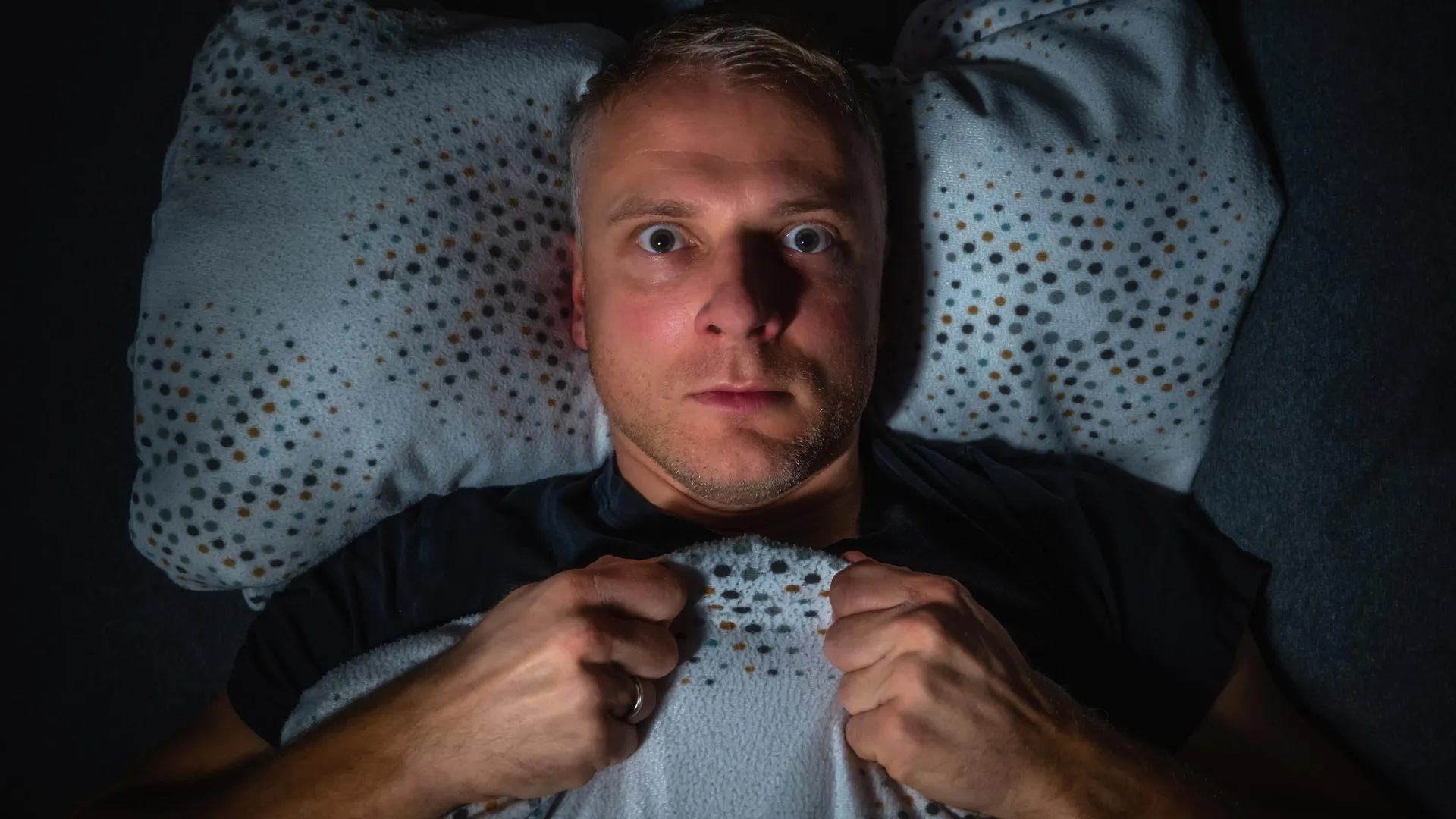
Nightmares are the unwelcome encore of PTSD, where the brain insists on replaying the greatest hits of trauma during sleep. For those affected, bedtime becomes a dread-filled affair, and conventional medications often offer little more than a shrug. But researchers at Charité -- Universitätsmedizin Berlin have thrown a cannabis-derived lifeline, and the results are nothing to sniff at.
In a study published in Nature Medicine, more than half of participants responded to treatment with Dronabinol, a prescription THC medication, and over a third saw their nightmares disappear entirely. Yes, you read that correctly: THC, the psychoactive compound in cannabis, might just be the dream-crusher we've been looking for.
PTSD nightmares are notoriously stubborn. The brain, it seems, has a hard time filing away traumatic memories, so they resurface with a vengeance, especially during REM sleep. Existing treatments like antidepressants and blood pressure meds have limited efficacy and often leave nightmares untouched. Germany, despite its love of order, hasn't approved a specific nightmare medication - until perhaps now.
Professor Stefan Röpke and his team at Charité turned to THC, which interacts with the body's endocannabinoid system - a regulator of sleep, stress, and emotional memory. As Röpke explains, "During REM sleep... THC reduces dream activity and thereby alleviates nocturnal stress responses." It's like putting a muzzle on the brain's internal alarm clock.
The study, a double-blind, placebo-controlled trial involving over 170 participants, lasted ten weeks. Participants took Dronabinol drops or a cannabis-flavored placebo each evening. Neither they nor the clinicians knew who got what - the gold standard of medical research, and a great way to avoid placebo-induced optimism.
Results: nightmare severity dropped by an average of 3.7 points (on a 0-8 scale) in the Dronabinol group, versus 2.2 in the placebo group. Over a third of treated patients reported zero nightmares after ten weeks, and another 21% saw their nightmare burden at least halved. Five out of six felt their health markedly improved.
While THC didn't seem to cure all of PTSD or depression, it did its main job: letting people sleep without nightly horror shows. No severe side effects emerged, though dizziness, headaches, and increased appetite were more common in the Dronabinol group. And no withdrawal symptoms after stopping - a relief for those worried about swapping nightmares for a new dependency.
Future research will explore long-term safety and potential tolerance. This study, led by Charité with partners including the University Medical Center Hamburg-Eppendorf and the Central Institute for Mental Health in Mannheim, was supported by Bionorica SE. So, if you're haunted by trauma's reruns, THC might just be the off-button you've been dreaming of.
The Good Times
News in your inbox.
One sardonic roundup, delivered on your schedule. Free. Unsubscribe whenever your tolerance for wit runs out.
Already subscribed but we never reach your inbox? Check your spam folder and hit 'Not spam' (or 'Remove from spam') to bust us out of junk-mail purgatory. You'll be helping everyone else too.
Don't open any of our emails for a month and you'll be automatically removed from the mailing list.
Rewrite Article
Select parts to regenerate with a fresh AI pass. Translations will be updated automatically.
Generate AI Image
Creates a sardonic version of the article image using OpenAI.