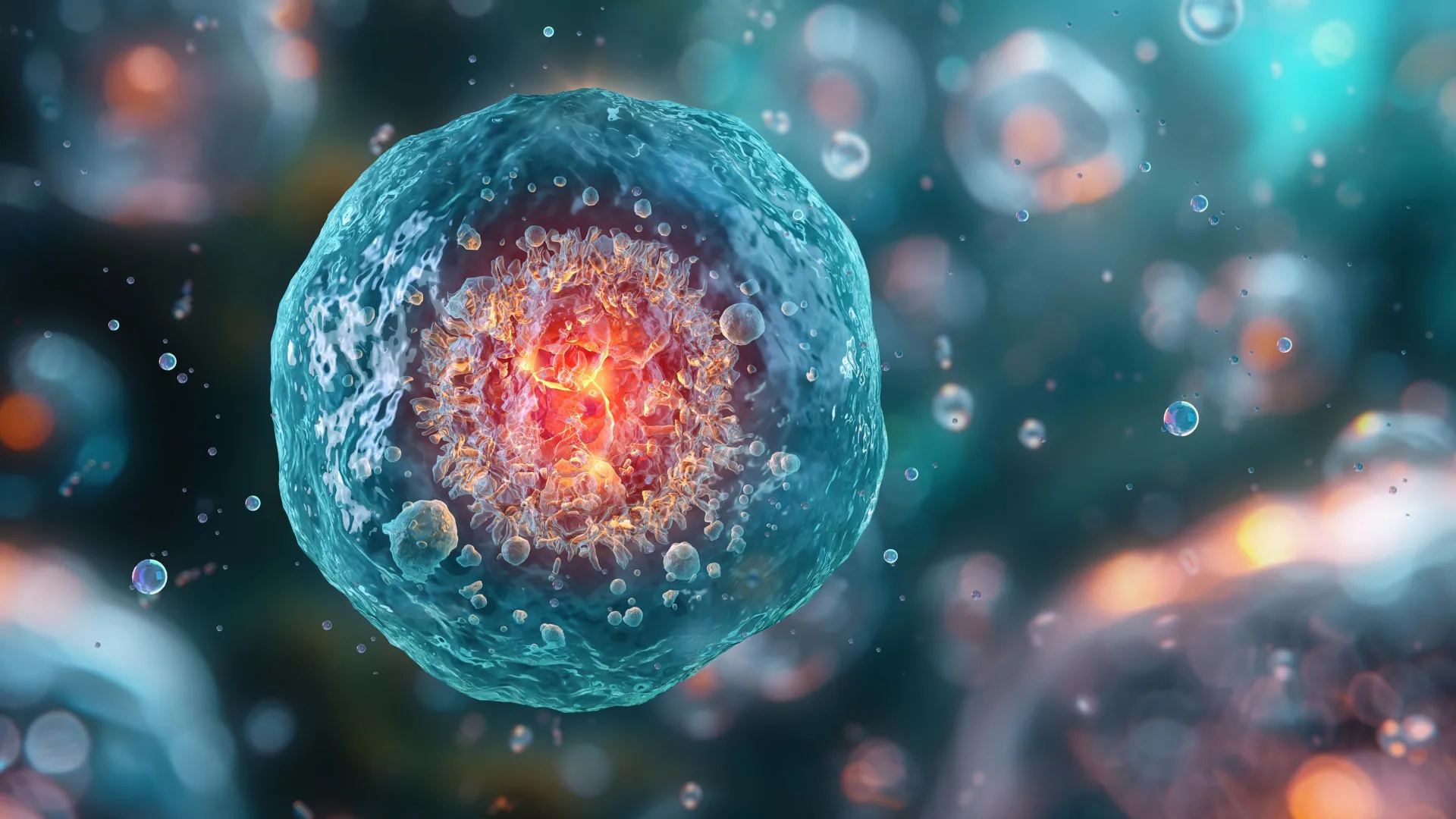
Scientists in Sweden have figured out a more reliable way to grow insulin-producing cells from human stem cells, which is great news for anyone with type 1 diabetes and, presumably, for the mice who got to serve as test subjects. The research, published in Stem Cell Reports, shows these lab-grown cells can control blood sugar in tests and even reverse diabetes in mice - a feat that sounds impressive until you remember mice have been cured of practically everything.
Type 1 diabetes happens when the immune system throws a tantrum and destroys the pancreas's insulin-producing cells, leaving the body unable to properly absorb glucose from the bloodstream. Replacing those cells has long been the dream, but earlier attempts at growing them from stem cells were about as reliable as a weather forecast.
"We have developed a method that reliably produces high-quality insulin-producing cells from multiple human stem cell lines," says Per-Olof Berggren, professor at Karolinska Institutet and co-author of the study. "This opens up opportunities for future patient-specific cell therapies, which could reduce immune rejection." In other words, they've managed to get stem cells to behave themselves.
The new approach involves letting the cells form natural three-dimensional clusters, which reduced the number of unwanted cell types and improved their response to glucose. When transplanted into diabetic mice - specifically into the anterior chamber of the eye, because why not let them see what's happening? - the cells gradually restored the animals' ability to regulate blood sugar for several months.
"We observed that the cells gradually matured after transplantation, retaining their ability to regulate blood sugar for several months, which demonstrates their potential for future treatments," Berggren explains. The eye placement isn't just for show; it allows researchers to monitor cell development in a minimally invasive way, which is science-speak for "we can peek without cutting them open."
The study, a collaboration between Karolinska Institutet and KTH Royal Institute of Technology, was funded by a laundry list of organizations including the Swedish Research Council, the Knut and Alice Wallenberg Foundation, the Novo Nordisk Foundation, and the European Research Council. Some researchers also have ties to companies like Spiber Technologies AB and Biocrine AB, because science doesn't run on good intentions alone.
"This could solve several of the problems that have previously hindered the development of stem cell-based treatments for type 1 diabetes," says Fredrik Lanner, last author of the paper. "Building on this, we will work towards clinical translation aiming at treating type 1 diabetes." So, humans next? The mice are probably hoping so.
The Good Times
News in your inbox.
One sardonic roundup, delivered on your schedule. Free. Unsubscribe whenever your tolerance for wit runs out.
Already subscribed but we never reach your inbox? Check your spam folder and hit 'Not spam' (or 'Remove from spam') to bust us out of junk-mail purgatory. You'll be helping everyone else too.
Don't open any of our emails for a month and you'll be automatically removed from the mailing list.
Rewrite Article
Select parts to regenerate with a fresh AI pass. Translations will be updated automatically.
Generate AI Image
Creates a sardonic version of the article image using OpenAI.