Social Media on Trial: Four Lawsuits That Might Finally Make the 'Like' Button Less Dangerous
Four upcoming trials could force social media giants to actually protect children, stop scam ads, and maybe even lose their legal immunity - if the courts finally decide that 'connecting people' doesn't mean 'exploiting them.'
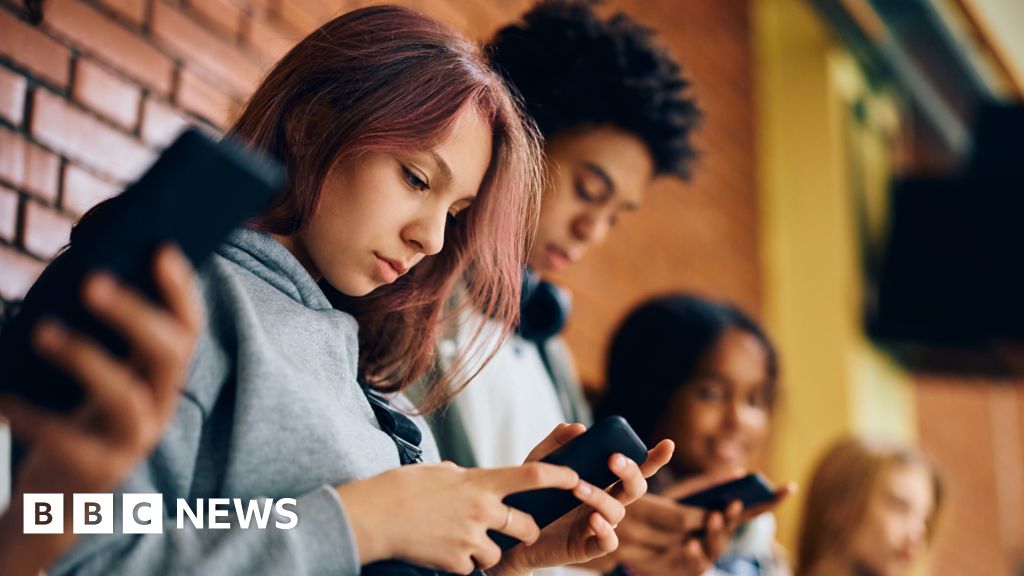
Twenty years ago, social media was hailed as a world-changing technology that would connect humanity and democratize information. Today, Meta, Google, Snapchat, TikTok, Discord, and Roblox are facing thousands of U.S. lawsuits claiming they've instead done the opposite - particularly to children. The outcome of these cases, whether settled or decided by juries, could fundamentally alter how these platforms operate. As Columbia Law School professor Eric Talley put it, "It's created a stage that not only legal observers are watching, but regulators and lawmakers are watching closely as well." The so-called "California effect" means that rulings in the state where most platforms are headquartered tend to ripple nationwide. Syracuse communications law professor Alexis Shore Ingber noted, "There's no denying anymore that there is an issue with child safety on the platforms. We are seeing an inflection point." Meta and YouTube already suffered a $6 million jury loss this year in a case brought by a young woman claiming addiction as a child, and Meta lost a separate case in New Mexico over misleading claims about child safety. Both companies are appealing. Meanwhile, Meta has made some safety changes, but broader design and access overhauls could take years and more adverse rulings. The BBC identified four key cases heading to trial soon that could reshape the industry.
**The School District MDL**
Over 1,000 U.S. school districts have banded together in California to accuse Instagram, YouTube, Snapchat, and TikTok of intentionally designing their platforms to be addictive to children, causing mental and emotional harm and costing schools resources. They want the platforms declared a "public nuisance." A jury trial for some claims is set for February, though a recent settlement with one district means full resolution could take years. YouTube said the allegations "are simply not true"; Snapchat said it "fundamentally disagree[s]" and doesn't target schools; Meta declined comment; TikTok didn't respond.
**The State Attorneys General Case**
In 2023, 29 states led by California and Colorado sued Meta and Instagram, alleging violations of the Children's Online Privacy Protection Act (COPPA) - a 2000 law meant to protect kids under 13 from online targeting. The case goes to trial in August. Meta has already produced over 2 million documents. If the states win, Meta could be forced to block under-13 users and delete their collected data, which it uses for ad targeting and AI training. Meta declined comment.
**Roblox and Discord Grooming Case**
A 13-year-old boy in San Mateo, California, sued Roblox and Discord after an adult predator allegedly groomed and solicited him on both platforms; the predator was later arrested for crimes against two dozen children. The suit claims defective design and false marketing about safety. The platforms tried to push the case into arbitration but failed; they're now appealing that decision. If they lose, a trial could happen this year, potentially forcing better age-gating and restrictions on stranger interactions. Discord declined comment; Roblox didn't respond.
**The Billionaire Scam Ad Case**
Australian billionaire Dr. Andrew Forrest sued Meta in 2022 over scam ads on Facebook that used his likeness to trick Australians into fake investments. He claims misuse of image and unjust enrichment, and is asking the court to strip Meta of its Section 230 immunity - a 1996 law that broadly protects platforms from liability for user content. If Forrest wins, it could end decades of legal shield for online platforms. Meta declined comment.
The Good Times
News in your inbox.
One sardonic roundup, delivered on your schedule. Free. Unsubscribe whenever your tolerance for wit runs out.
Already subscribed but we never reach your inbox? Check your spam folder and hit 'Not spam' (or 'Remove from spam') to bust us out of junk-mail purgatory. You'll be helping everyone else too.
Don't open any of our emails for a month and you'll be automatically removed from the mailing list.
Rewrite Article
Select parts to regenerate with a fresh AI pass. Translations will be updated automatically.
Generate AI Image
Creates a sardonic version of the article image using OpenAI.