Scientists Find the Brain Cells That Keep Your Blood Pressure From Freaking Out (and What Happens When They Vanish)
UVA researchers found that losing just a few hundred brainstem nerve cells makes blood pressure unstable even when averages look normal - proving your numbers can be lying to you.
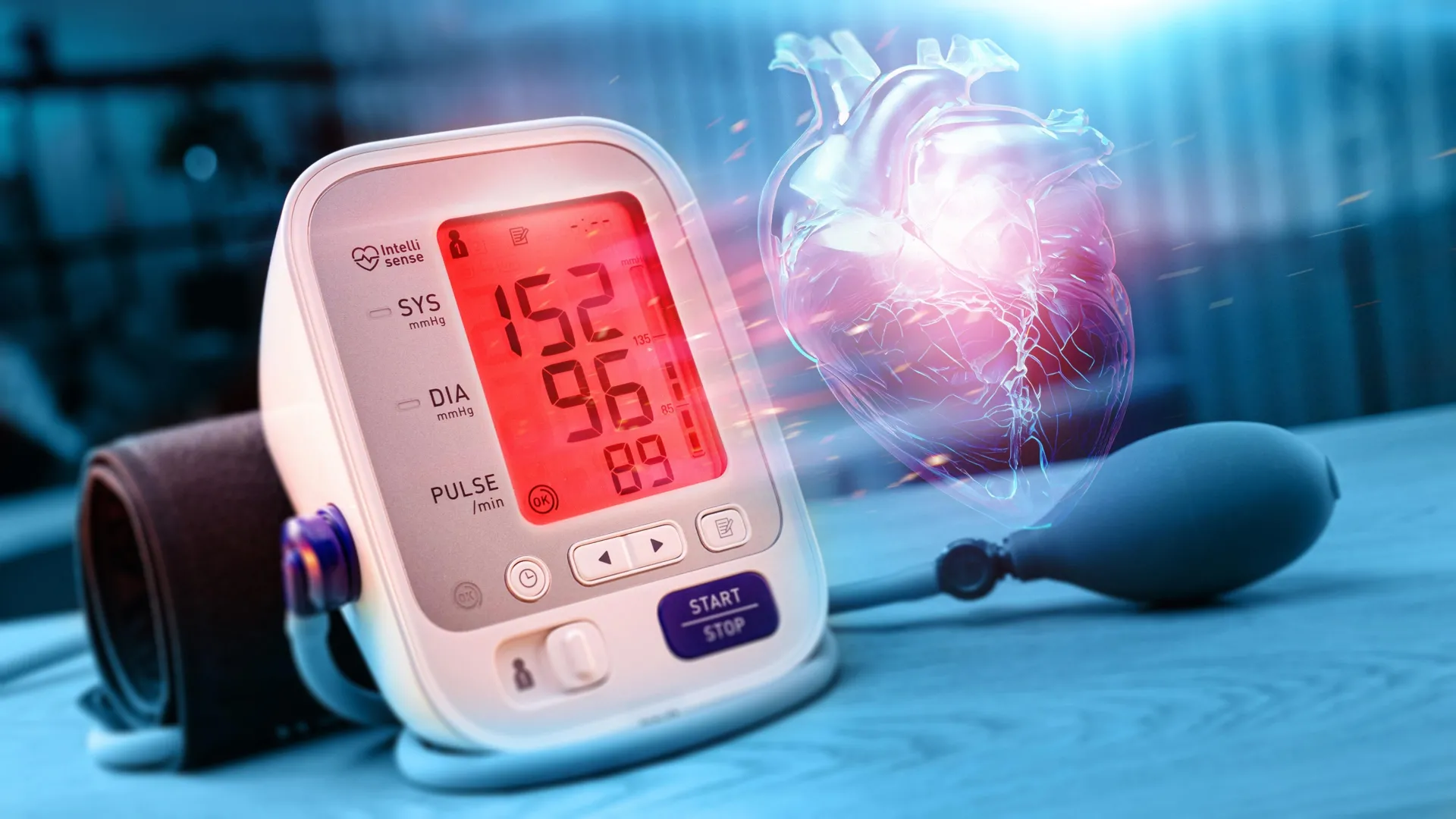
Blood pressure readings are usually judged by their average values, because apparently the human body is a simple machine that can be summarized in one number. Growing evidence, however, suggests that fluctuations throughout the day may be equally important. Rapid or excessive changes in blood pressure can independently increase the risk of heart disease, stroke, and brain injury, even when average readings fall comfortably within the normal range - which is a fancy way of saying your numbers can look fine while your cardiovascular system quietly panics.
Researchers at the University of Virginia School of Medicine have identified a small population of nerve cells in the brainstem that helps maintain steady blood pressure. The brainstem regulates essential involuntary functions, and these newly studied cells appear to limit blood pressure swings as people move between everyday activities, including sleeping, waking, standing, and exercising - basically all the things you do without thinking about them until a doctor asks.
"What we found is that a loss of just a few hundred nerve cells leads to unstable blood pressure even though the mean blood pressure was normal," said UVA's Stephen Abbott, PhD, the lead investigator of the study. "This shows that the system that keeps blood pressure steady from moment to moment is no longer working." A few hundred cells. That's fewer than the number of people in a moderately attended webinar.
The same nerve cells have previously been found to be damaged or missing in people with multiple system atrophy, a rare, fatal neurological disorder related to Parkinson's disease. The condition is often accompanied by severe difficulties regulating blood pressure. The new findings raise the possibility that disruptions involving these brain cells may also contribute to unstable blood pressure in other medical conditions, including cases where standard measurements show normal average levels - because of course the problem is invisible until you look at the right thing.
Understanding this mechanism could eventually help researchers develop treatments aimed at reducing harmful fluctuations and protecting against their potential consequences. "Our work emphasizes a new appreciation for how we think about blood pressure problems," Abbott said. "It's not just about lowering the numbers - it's about keeping blood pressure stable from moment to moment." A radical concept: the body is not a spreadsheet.
The findings were published in the scientific journal Circulation Research. The research team included George M.P.R. Souza, Harsha Thakkalapally, Faye E. Berry, Leah F. Wisniewski, Ulrich M. Atongazi, Daniel S. Stornetta, and Abbott. The researchers reported no financial interests related to the study. Funding was provided by the National Institutes of Health through grant HL148004.
The discovery also reflects the broader goals of UVA's newly established Paul and Diane Manning Institute of Biotechnology. The institute focuses on advancing research into difficult and complex diseases while helping promising laboratory findings move more quickly toward potentially lifesaving treatments for patients.
Materials provided by University of Virginia Health System. Note: Content may be edited for style and length.
The Good Times
News in your inbox.
One sardonic roundup, delivered on your schedule. Free. Unsubscribe whenever your tolerance for wit runs out.
Already subscribed but we never reach your inbox? Check your spam folder and hit 'Not spam' (or 'Remove from spam') to bust us out of junk-mail purgatory. You'll be helping everyone else too.
Don't open any of our emails for a month and you'll be automatically removed from the mailing list.
Rewrite Article
Select parts to regenerate with a fresh AI pass. Translations will be updated automatically.
Generate AI Image
Creates a sardonic version of the article image using OpenAI.