Scientists Finally Solve 15-Year Mystery of How Gut Bacterium Triggers Colon Cancer, Because of Course It's a Decoy Situation
After 15 years of puzzled looks, scientists discover that a gut bacterium's cancer-causing toxin uses a decoy receptor, and they've already built a better decoy to stop it.
For more than 15 years, researchers have been scratching their heads over how a toxin from a common gut bacterium manages to invade colon cells. Now, a multi-institutional team led by Johns Hopkins has cracked the case, and the answer involves a molecular decoy - because nothing says 'scientific breakthrough' like a good old-fashioned bait-and-switch.
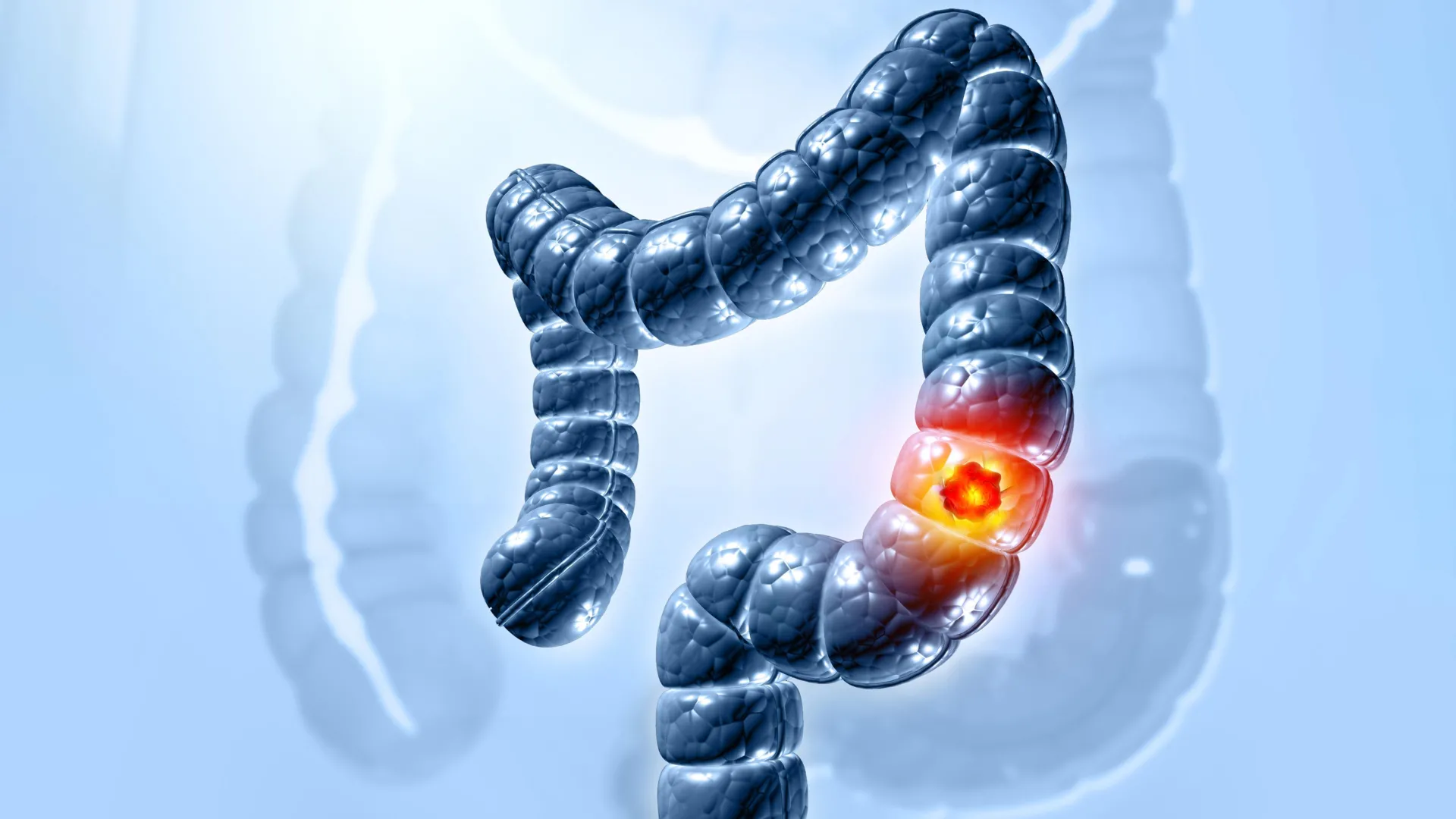
The study, published in Nature, reveals that the toxin BFT, produced by Bacteroides fragilis, first must latch onto a host protein called claudin-4 before it can start wrecking the colon. This explains how the toxin gains access to its target, E-cadherin, which it then cuts to cause chronic inflammation and tumor growth. 'We've made several attempts over time to identify the receptor, so this is an exciting moment,' said senior author Cynthia Sears, M.D., Bloomberg~Kimmel Professor of Cancer Immunotherapy at Johns Hopkins.
The team, which included M.D./Ph.D. candidate Maxwell White, used a genomewide CRISPR screen to find that claudin-4 was the key - when it was removed, BFT couldn't attach. That was a surprise, since most scientists expected a signaling protein, not a structural one. 'It took a while to get the assay working,' White said, 'but once we did, claudin-4 was a clear, resounding top hit.'
To confirm, the researchers teamed up with structural biologists in Barcelona and showed that BFT and claudin-4 form a tight one-to-one complex. Then, in mouse models, they created a soluble version of claudin-4 that acted as a decoy, successfully intercepting the toxin and preventing colon damage. 'This approach could be iterated upon with small molecules or other biologics,' White added.
One lingering challenge: AI modeling tools like AlphaFold couldn't fully resolve the interaction structure. So while we know the players, the precise dance moves remain a mystery. Still, the discovery opens doors for new therapies against diarrhea, colorectal cancer, and bloodstream infections - assuming the toxin doesn't find a workaround.
The Good Times
News in your inbox.
One sardonic roundup, delivered on your schedule. Free. Unsubscribe whenever your tolerance for wit runs out.
Already subscribed but we never reach your inbox? Check your spam folder and hit 'Not spam' (or 'Remove from spam') to bust us out of junk-mail purgatory. You'll be helping everyone else too.
Don't open any of our emails for a month and you'll be automatically removed from the mailing list.
Rewrite Article
Select parts to regenerate with a fresh AI pass. Translations will be updated automatically.
Generate AI Image
Creates a sardonic version of the article image using OpenAI.