Scientists Figure Out How to Recharge Nerve Batteries, Pain Relieved for 48 Hours
Duke researchers recharge nerve cell batteries with fresh mitochondria, cutting chronic pain by up to 50% in mice and offering a new way to treat diabetic neuropathy and chemo-related nerve damage.
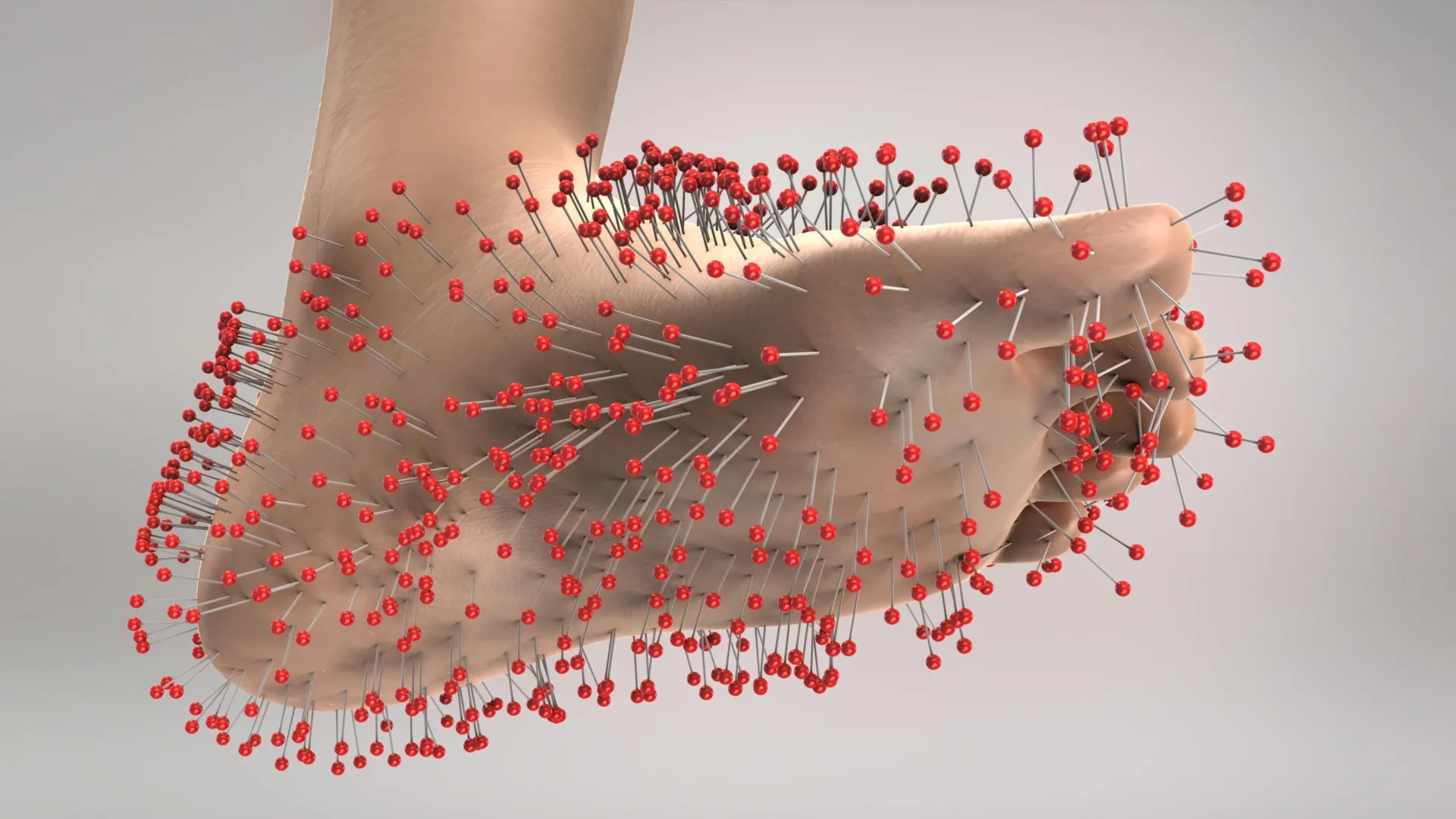
Millions of people live with chronic nerve pain that makes even a gentle pat feel like a betrayal by the universe. Scientists have long suspected this agony starts when mitochondria - the tiny power plants inside cells - stop doing their jobs in damaged nerves.
Now, researchers at Duke University School of Medicine say they might have found a way to swap out those dead batteries. In a study published in Nature, the team used both human tissue and mouse models to test whether giving damaged nerve cells a fresh batch of mitochondria could help them recover. The treatment significantly reduced pain linked to diabetic neuropathy and chemotherapy-related nerve damage, with relief lasting up to 48 hours.
Rather than just blocking pain signals like a bouncer at a club, the approach aims to fix one of the underlying causes of chronic nerve pain by restoring the energy supply nerve cells need to function. "By giving damaged nerves fresh mitochondria - or helping them make more of their own - we can reduce inflammation and support healing," said senior author Ru-Rong Ji, PhD, director of the Center for Translational Pain Medicine at Duke. "This approach has the potential to ease pain in a completely new way."
The Duke researchers focused on satellite glial cells, which surround and support sensory neurons. The study uncovered a previously unknown role for these cells: they appear to pass healthy mitochondria directly into sensory neurons through tiny structures called tunneling nanotubes. When this transfer breaks down, nerve fibers begin to deteriorate, triggering pain, tingling, and numbness - especially in the hands and feet where nerve fibers extend the farthest. "By sharing energy reserves, satellite glial cells may help keep neurons out of pain," said Ji, a professor of anesthesiology, neurobiology and cell biology at Duke.
When researchers increased this mitochondrial transfer in mice, pain-related behaviors dropped by as much as 50%. The team also tested a more direct method: injecting isolated mitochondria from both humans and mice into the dorsal root ganglia, clusters of nerve cells that send sensory information to the brain. The results depended heavily on quality - healthy donor mitochondria reduced pain, while mitochondria taken from people with diabetes produced no benefit. Researchers also identified a protein called MYO10 as critical for building the tunneling nanotubes that allow mitochondria to move between cells.
Ji worked alongside lead author Jing Xu, PhD, a research scholar in the Department of Anesthesiology, and longtime collaborator Caglu Eroglu, PhD, a Duke professor of cell biology known for her work on glial cells. The researchers say more studies are needed, including high-resolution imaging to see exactly how the nanotubes deliver mitochondria within living nerve tissue. Even so, the findings point to a previously overlooked communication system between nerve cells and glial cells that could eventually lead to treatments targeting chronic pain at its source instead of just masking symptoms.
Materials provided by Duke University. Note: Content may be edited for style and length.
Also in the news: Simple Fiber Supplement Cuts Knee Arthritis Pain in Just 6 Weeks, Study Finds; Common Asthma Drug May Reverse Dangerous Fatty Liver Disease; Extra Weight Could Age Your Brain Faster, Study Warns; Scientists Warn: America’s Most Popular Cooking Oil May Be Harming Your Intestines.
The Good Times
News in your inbox.
One sardonic roundup, delivered on your schedule. Free. Unsubscribe whenever your tolerance for wit runs out.
Already subscribed but we never reach your inbox? Check your spam folder and hit 'Not spam' (or 'Remove from spam') to bust us out of junk-mail purgatory. You'll be helping everyone else too.
Don't open any of our emails for a month and you'll be automatically removed from the mailing list.
Rewrite Article
Select parts to regenerate with a fresh AI pass. Translations will be updated automatically.
Generate AI Image
Creates a sardonic version of the article image using OpenAI.