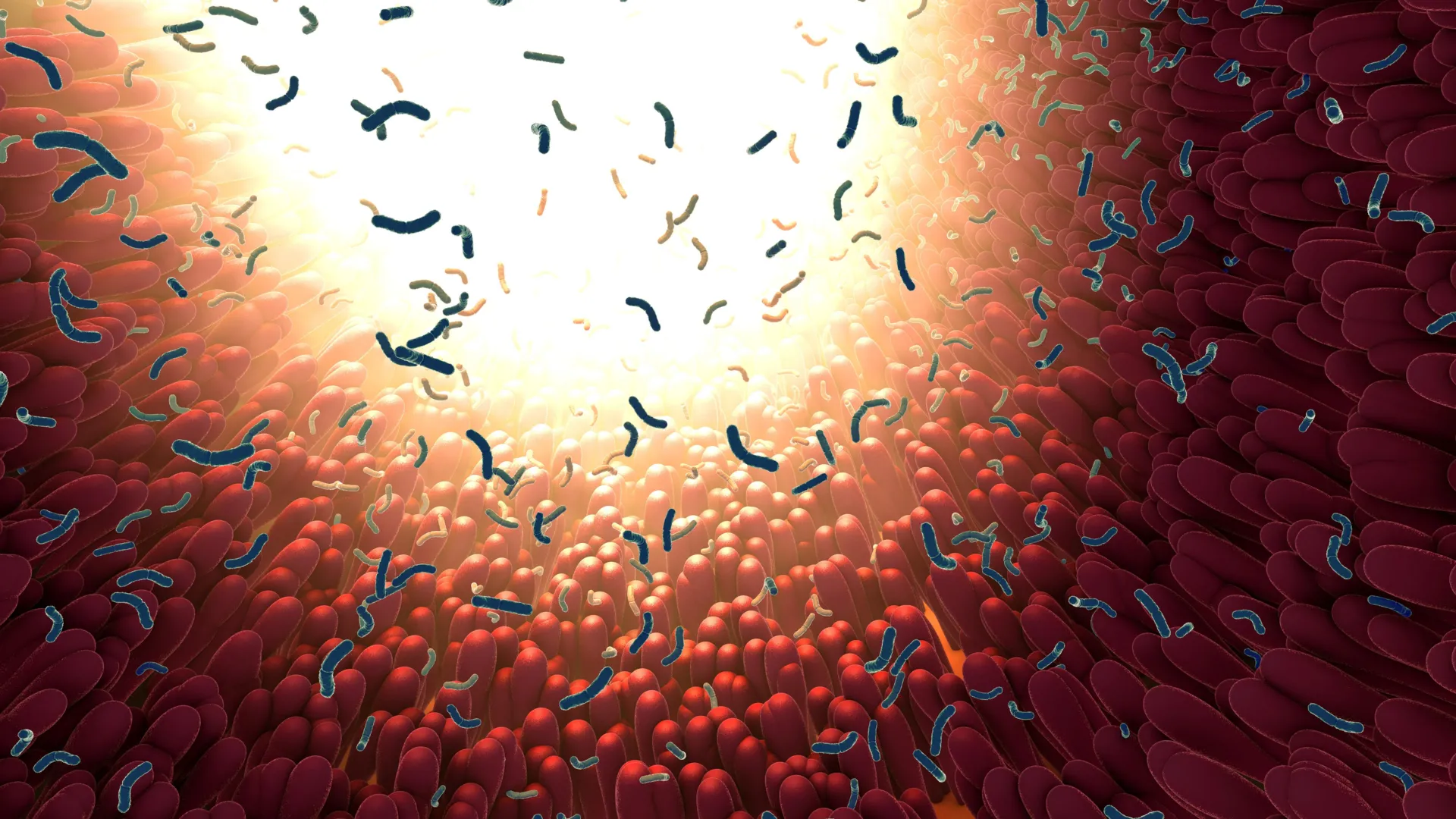
Researchers at the Marshall University Joan C. Edwards School of Medicine have discovered that tiny particles in your gut are basically the biological equivalent of that one friend who both ruins parties and can sometimes salvage them. The findings, published in Aging Cell, reveal that gut luminal exosomes - microscopic cellular messenger bags full of proteins and genetic material - from older animals carry signals for insulin resistance, inflammation, and gut barrier damage. When injected into young animals, those youngsters promptly developed the same metabolic and inflammatory problems. Because nothing says "youth" like inheriting your elder's digestive drama.
But here's the plot twist: exosomes from young animals, when transferred into older ones, actually reduced several aging-related metabolic issues. So the gut environment itself appears to be a key driver of age-related diseases - or, optimistically, a potential fountain of youth if you can borrow some exosomes from a hamster.
The study, led by Abdelnaby Khalyfa, M.Sc., Ph.D., also links a weakened gut barrier to chronic inflammation, which can let inflammatory substances leak into the bloodstream and raise the risk of heart disease and metabolic disorders. "This study helps clarify how the physiological stressors associated with biological aging may accelerate biological processes linked to aging and disease," Khalyfa said, in what may be the most tautological sentence ever uttered. The team identified specific molecules inside the exosomes that could one day help detect, understand, or treat age-related diseases, potentially applying to chronic conditions sharing biological pathways with aging.
The research team included Khalyfa, Trupti Joshi, Ph.D., and David Gozal, M.D., M.B.A., Ph.D. (Hon) from Marshall University, plus Lyu Zhen from the University of Missouri. Funding came from Marshall University Research Corporation, NIH grants HL166617 and HL169266, and the National Institute of General Medical Sciences under Award Number P20GM103434 via the West Virginia IDeA Network of Biomedical Research Excellence. So yes, your gut particles are funded by your tax dollars. You're welcome.
The Good Times
News in your inbox.
One sardonic roundup, delivered on your schedule. Free. Unsubscribe whenever your tolerance for wit runs out.
Already subscribed but we never reach your inbox? Check your spam folder and hit 'Not spam' (or 'Remove from spam') to bust us out of junk-mail purgatory. You'll be helping everyone else too.
Don't open any of our emails for a month and you'll be automatically removed from the mailing list.
Rewrite Article
Select parts to regenerate with a fresh AI pass. Translations will be updated automatically.
Generate AI Image
Creates a sardonic version of the article image using OpenAI.