NV Energy Kicks Lake Tahoe to the Curb So Data Centers Can Have All the Juice
NV Energy tells 49,000 Lake Tahoe residents to find their own power because data centers need the electricity more - proving that even ski towns can't compete with AI's insatiable hunger.
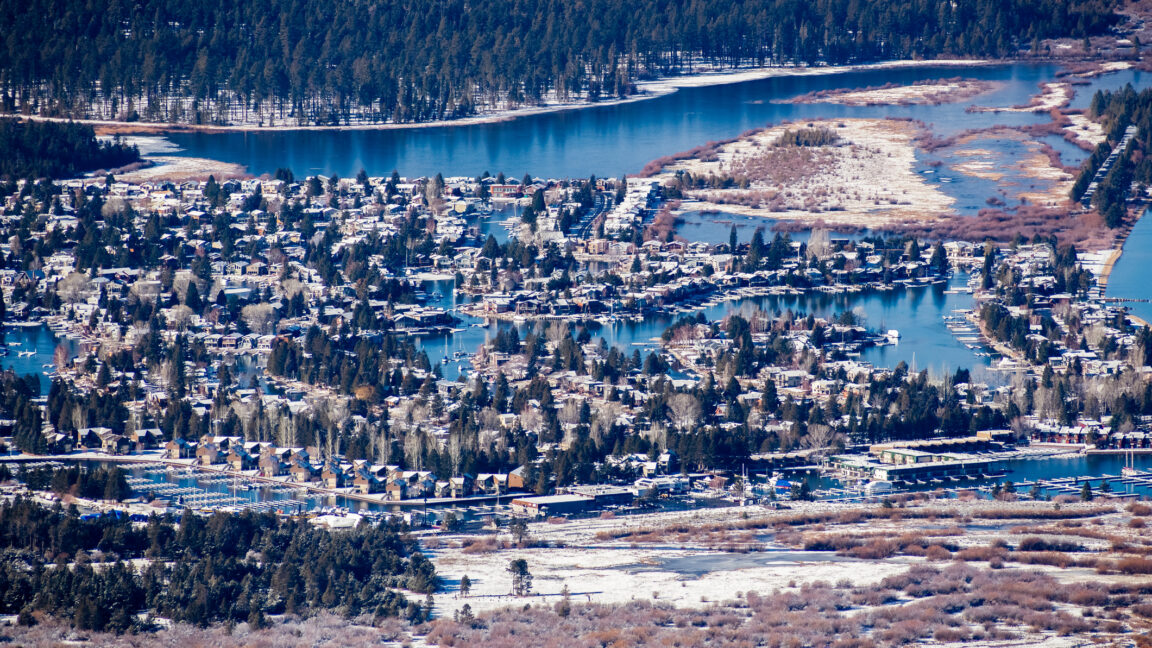
The picturesque tourist town of Lake Tahoe - known for its ski slopes, crystal-clear water, and now, apparently, its power problems - has until May 2027 to find a new electricity supplier after Nevada utility NV Energy decided its megawatts are better spent on data centers. The decision leaves 49,000 California residents near Lake Tahoe in a lurch, scrambling for juice as the AI boom gobbles up the grid.
Lake Tahoe’s local provider, Liberty Utilities, has been getting 75 percent of its power from NV Energy since buying California assets in 2009. But NV Energy is ending that arrangement, citing Nevada’s exploding data center development as a key driver. According to Liberty’s filing with California regulators, NV Energy’s own planning documents show a dozen data center projects in northern Nevada could suck up 5,900 megawatts of new demand by 2033. Amazon has already signed on to support 700 megawatts of “low-carbon energy” for Reno data centers, including 100 megawatts of geothermal - because nothing says “low-carbon” like running servers off volcanic hot springs.
NV Energy, for its part, insists data centers aren’t the main villain here, claiming the pullout is part of a long-term transition predating the AI boom. After all, they’ve been extending temporary agreements since 2009, and eventually you have to cut the cord - especially when the cord feeds a ski town instead of a server farm. Liberty is now hunting for a new supplier that can meet California’s renewable energy requirements, which is like trying to find a vegan chef in a steakhouse.
The situation is a regulatory nightmare: California residents pay rates approved by California regulators, but their power flows through NV Energy’s Nevada transmission lines. No single regulator oversees the whole chain, because why make it easy? NV Energy is building a $4.2 billion transmission line called Greenlink West, slated to be operational by May 2027 - cutting it uncomfortably close for Lake Tahoe’s needs.
Lake Tahoe’s energy crisis may be an outlier for now, but data center backlash is spreading faster than a meme. A Gallup poll from March 2026 found seven in 10 Americans oppose AI data centers in their communities, making it “the most bipartisan issue since beer,” according to a Milwaukee comedian quoted in The New York Times. Nearly half of data center projects face delays or moratoriums, and Silicon Valley is scrambling with desperate schemes: offering homeowners mini data centers, launching orbital data centers into space, and floating AI data centers in the ocean. Because nothing says “we care about the planet” like putting your servers in the middle of the sea.
The Good Times
News in your inbox.
One sardonic roundup, delivered on your schedule. Free. Unsubscribe whenever your tolerance for wit runs out.
Already subscribed but we never reach your inbox? Check your spam folder and hit 'Not spam' (or 'Remove from spam') to bust us out of junk-mail purgatory. You'll be helping everyone else too.
Don't open any of our emails for a month and you'll be automatically removed from the mailing list.
Rewrite Article
Select parts to regenerate with a fresh AI pass. Translations will be updated automatically.
Generate AI Image
Creates a sardonic version of the article image using OpenAI.