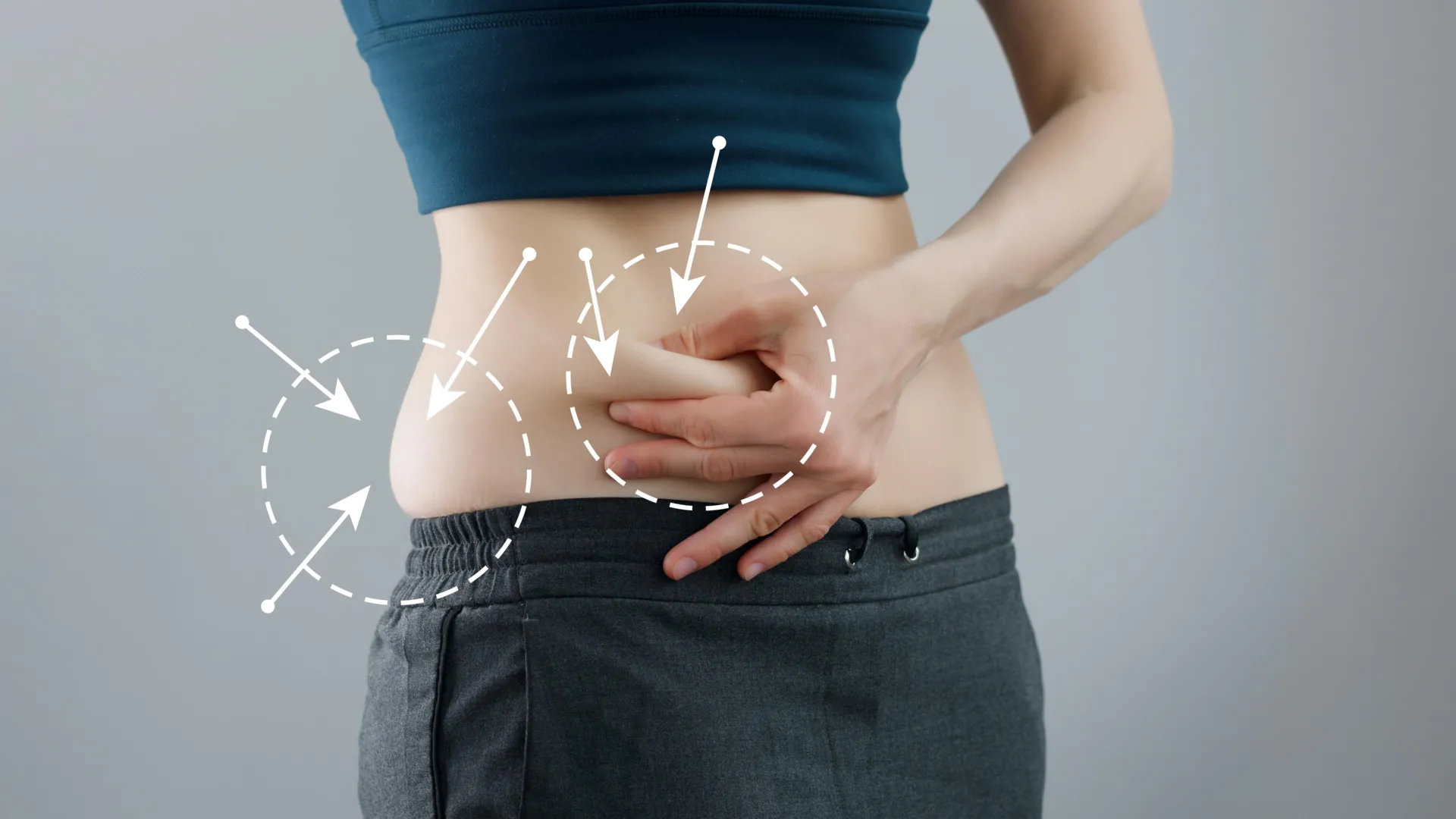
Fat tissue gets a bad rap. It's the body part we're constantly told to lose, the enemy in every diet ad and fitness magazine. But here's the twist: scientists now know that adipose tissue is actually an active, essential organ that handles energy storage, hormone production, and metabolic regulation. Too much fat? Bad. Too little fat? Also bad, apparently.
In rare conditions like familial partial lipodystrophy type 2 (FPLD2), abnormal fat loss and uneven distribution can lead to diabetes and other metabolic diseases. Dr. Elif Oral of the University of Michigan has spent her career trying to figure out why losing the wrong fat wreaks havoc on metabolism. Working with a team including Jessica Maung and Ormond MacDougald, she investigated what happens inside diseased fat tissue.
"A simple explanation is that all of the fat cells have really catastrophic things happening in them," said Maung. The team developed a mouse model where they could switch off the lamin A/C gene specifically in fat cells - the same gene mutated in FPLD2 patients. They found major changes in gene activity that prevented fat cells from processing and storing lipids properly. Meanwhile, the fat cells and immune cells within the tissue went into pro-inflammatory mode, and the mitochondria stopped functioning normally. "All of these effects come together to create this perfect environment for the tissue to be really unhealthy and eventually disappear," Maung added.
When healthy fat disappears, the body can't manage lipids or release metabolic hormones properly, leading to diabetes and fatty liver disease. "People think of Type 2 diabetes as a disease of beta cells, but it's actually a disease of fat cells, too," said Oral. The findings suggest that protecting adipose tissue before it deteriorates could be a therapeutic target. The work also underscores the value of collaboration between lab scientists, clinicians, and patients - because apparently, fat is more than just something to squeeze into jeans.
The Good Times
News in your inbox.
One sardonic roundup, delivered on your schedule. Free. Unsubscribe whenever your tolerance for wit runs out.
Already subscribed but we never reach your inbox? Check your spam folder and hit 'Not spam' (or 'Remove from spam') to bust us out of junk-mail purgatory. You'll be helping everyone else too.
Don't open any of our emails for a month and you'll be automatically removed from the mailing list.
Rewrite Article
Select parts to regenerate with a fresh AI pass. Translations will be updated automatically.
Generate AI Image
Creates a sardonic version of the article image using OpenAI.