Indigenous Leaders to UN: 'Peace' Is More Than Just Stopping the Shooting
Indigenous leaders tell the UN that peace means more than no guns - it means land, self-determination, and decolonization. Also, New Caledonia's $2.5 billion unrest is a case in point.
Guatemala’s 36-year civil war ended in 1996, leaving behind around 200,000 dead and more than 100,000 women raped - with Indigenous Maya communities bearing the brunt. But Mayan leader Mario Simón Chávez says the violence never really stopped. “Fortunately, Guatemala is no longer experiencing an armed conflict,” he said. “However, the internal armed conflict has left indelible scars on our people.” For Chávez, the conflict continues through state corruption, land grabs, and attacks on self-determination.
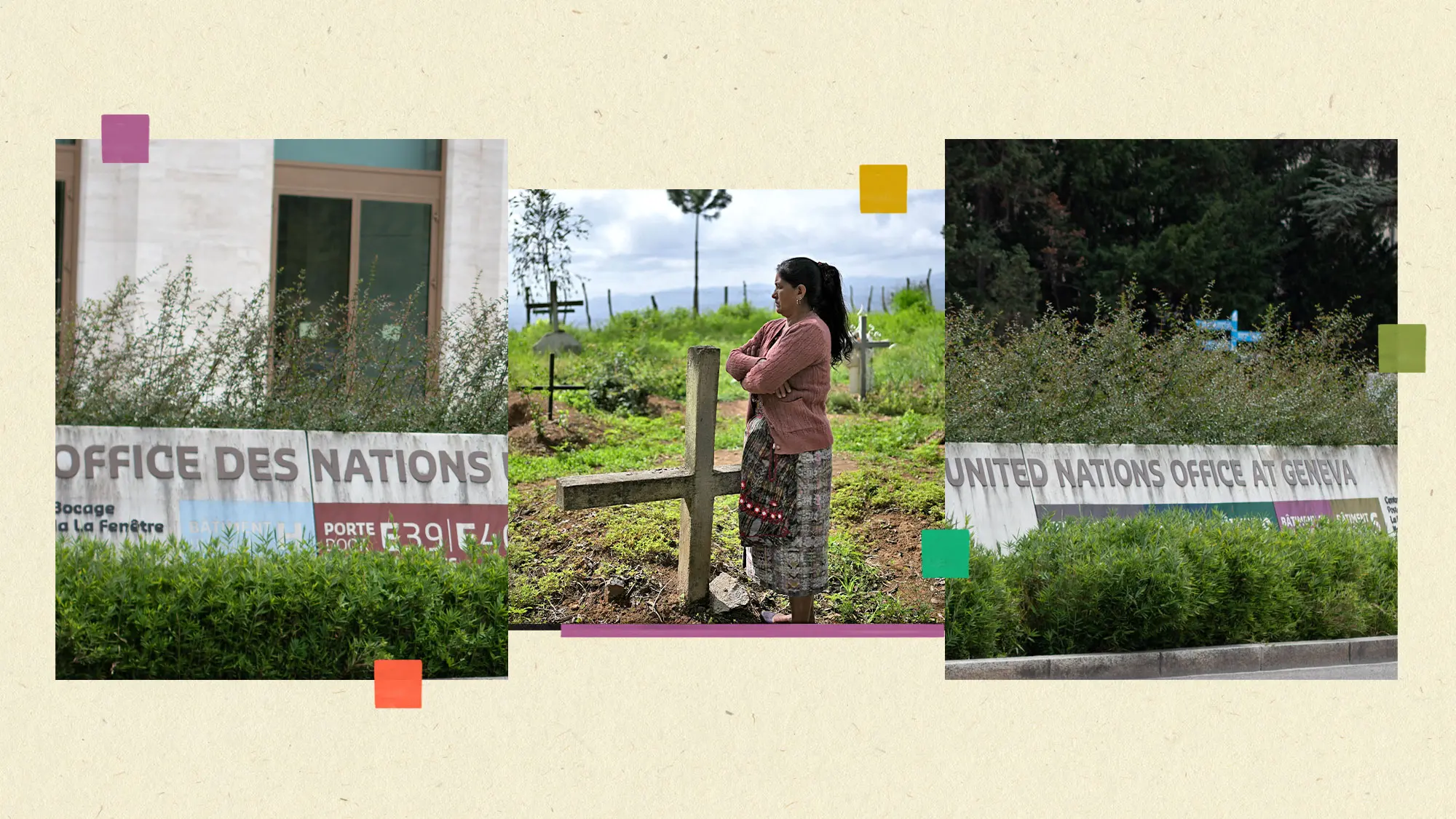
This week, Indigenous delegates are taking these grievances to the United Nations Expert Mechanism on the Rights of Indigenous Peoples (EMRIP) in Geneva. The message: colonization and its lingering effects are a form of ongoing warfare. As Sidharto Reza Suryodipuro, president of the UN Human Rights Council, put it: “In too many parts of the world, Indigenous peoples bear the heaviest cost of conflicts they did not choose.”
A draft EMRIP study, based on over 80 submissions, argues that conflict for Indigenous peoples includes militarization, occupation, forced displacement, and structural violence tied to colonization and resource extraction. Delegates praised the broader definition. Ojot Miru Ojulu, an Anywaa from Ethiopia, noted that “conflict affects virtually every dimension of Indigenous peoples’ lives.” The study also highlights Indigenous traditions of diplomacy and peacebuilding that are often ignored.
Maryann Stancich, a Māori legal scholar from Aotearoa New Zealand, stressed that settler colonialism isn’t ancient history. “Many of the impacts of colonization continue today through laws, policies and governance arrangements,” she said, calling for recognition of Indigenous legal systems as legitimate frameworks for resolving disputes. “Peace is not simply defined by the absence of war,” she added. “Lasting peace also requires justice.”
In 2024, that lesson played out violently in New Caledonia, where French electoral reforms triggered unrest that left 14 dead - most of them Kanak - and caused $2.5 billion in damage. Roselyne Makalu, from Lifou Island, said women helped de-escalate tensions, but warned that “children have anger in their bodies” from generational trauma. Viro Xulue, an advisor to the Customary Council of Drehu, tied the struggle to a wider Pacific movement for decolonization, noting territories like West Papua where resource extraction and deforestation rage on. “Peace,” he said, “is inseparable from self-determination.”
The Good Times
News in your inbox.
One sardonic roundup, delivered on your schedule. Free. Unsubscribe whenever your tolerance for wit runs out.
Already subscribed but we never reach your inbox? Check your spam folder and hit 'Not spam' (or 'Remove from spam') to bust us out of junk-mail purgatory. You'll be helping everyone else too.
Don't open any of our emails for a month and you'll be automatically removed from the mailing list.
Rewrite Article
Select parts to regenerate with a fresh AI pass. Translations will be updated automatically.
Generate AI Image
Creates a sardonic version of the article image using OpenAI.