Hyundai Insists Its Humanoid Robot Plans Have Nothing to Do With Those Striking Workers, Wink Wink
Hyundai says its humanoid robot plans aren't why workers are striking - it's just a coincidence that the union is demanding job protections against robots.
Hyundai Motor Company would like to clarify something: its plan to deploy humanoid robots by 2028 is absolutely, positively not the reason its South Korean workers are on strike. It's about wages, bonuses, and retirement age - totally normal stuff that definitely doesn't involve robots.
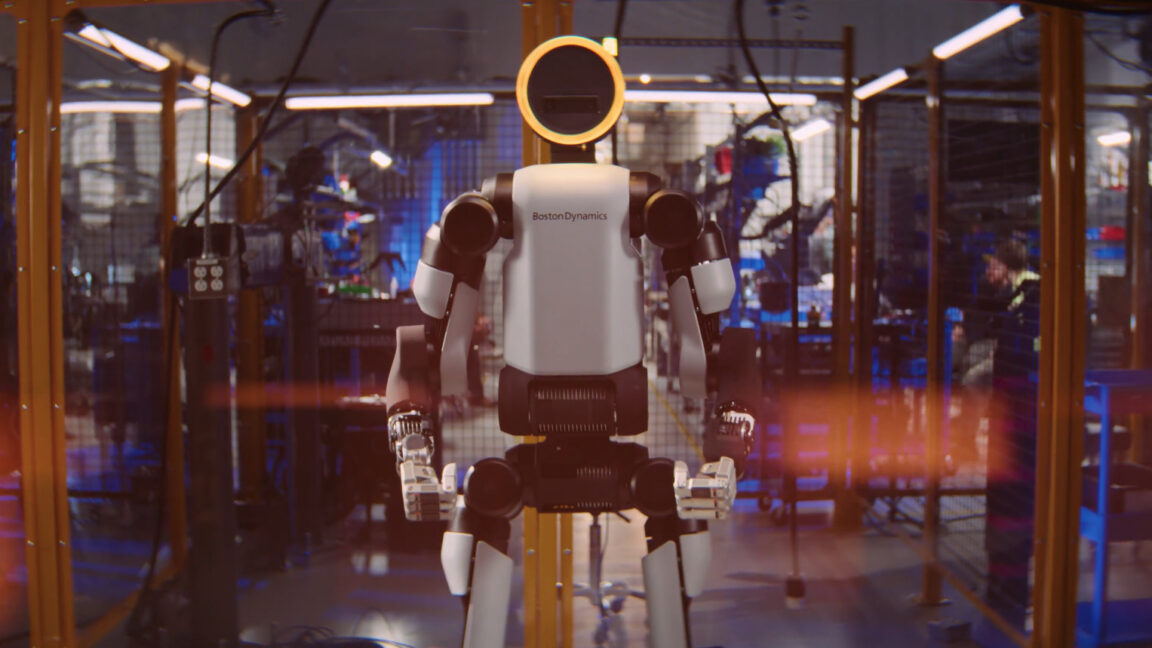
The automaker is pushing back against reports that the partial labor strikes at its massive South Korean plant were triggered by concerns over humanoid robots. In a statement, Hyundai emphasized that the current negotiations focus on compensation, not on the Atlas humanoid robot it plans to deploy at its Georgia EV factory starting in 2028. "Potential deployment of robots in Korean production facilities is not part of the current labor-management discussions," the company insisted, adding that future robot decisions will be made "in dialogue with employees."
But the union isn't buying it. According to The Wall Street Journal, the Hyundai Motor union has made "unprecedented demands" for job protections in the age of AI and robots. The union previously warned Hyundai that "without labor-management agreement, not a single robot using new technology will be allowed to enter the workplace." Meanwhile, the company and union are reviewing a wage reform that would convert overtime and night-shift allowances into fixed wages - a move experts say could boost income stability but hurt productivity.
The backdrop: South Korea's new "yellow envelope law" (effective March 2026) expands labor rights and may require companies to negotiate with workers over large-scale automation. The Korean Confederation of Trade Unions has even set up a joint body with the government to discuss AI and robotics. Over in the US, Hyundai's Georgia plant is non-union, but the United Auto Workers has been organizing and its president, Shawn Fain, has warned against "the threat of humanoid robotics."
Whether humanoid robots will actually deliver on their promise remains an open question - but for now, Hyundai is sticking with the official line: it's not the robots, it's the money.
The Good Times
News in your inbox.
One sardonic roundup, delivered on your schedule. Free. Unsubscribe whenever your tolerance for wit runs out.
Already subscribed but we never reach your inbox? Check your spam folder and hit 'Not spam' (or 'Remove from spam') to bust us out of junk-mail purgatory. You'll be helping everyone else too.
Don't open any of our emails for a month and you'll be automatically removed from the mailing list.
Rewrite Article
Select parts to regenerate with a fresh AI pass. Translations will be updated automatically.
Generate AI Image
Creates a sardonic version of the article image using OpenAI.