Welsh Women Forced to Traverse Border for Abortion Care, Doctor Says - Because Apparently That's a Thing in 2024
Welsh women seeking surgical abortions must trek to England, because apparently 60 years of legalised care isn't enough to ensure basic provision at home.
Some women in Wales may be forced to continue unwanted pregnancies due to inadequate surgical abortion care, according to a senior obstetrician who has seen it all.
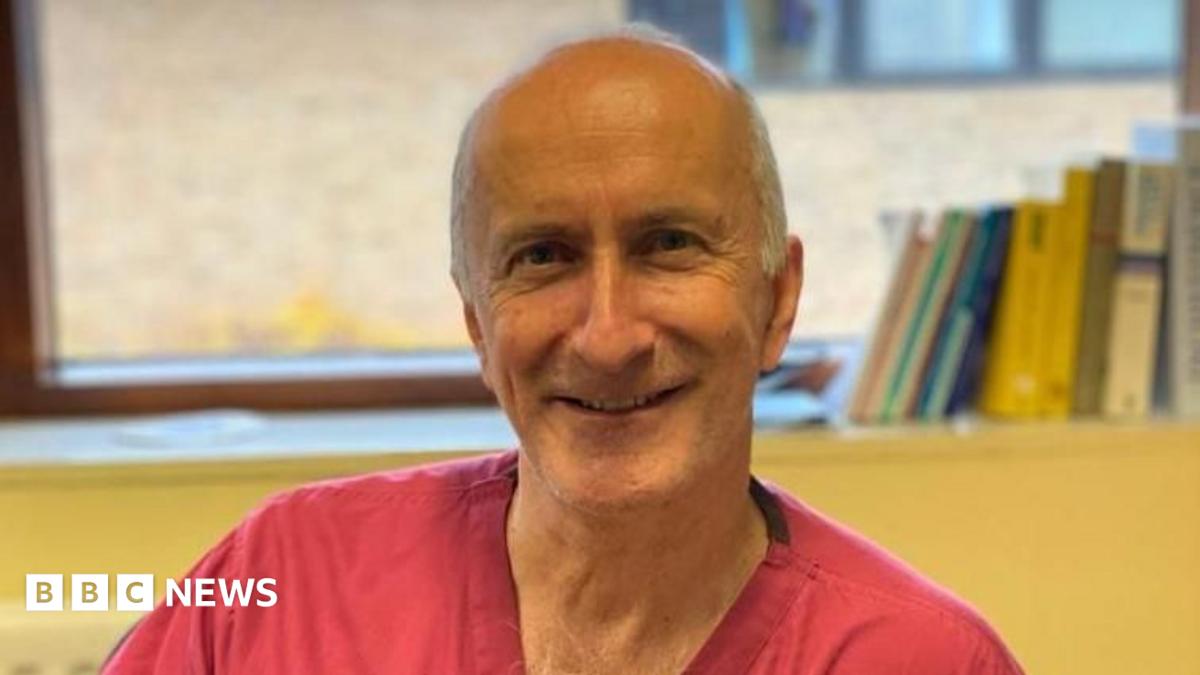
Dr Ed Dorman, a consultant obstetrician and gynaecologist, said he treats women from Wales every other week at a British Pregnancy Advisory Service (BPAS) clinic in London. But he's worried about the "unknown number" who, faced with the logistical nightmare of travelling to England, have little choice but to continue their pregnancies.
BBC Wales has learned that women from Wales face the added "trauma" of travelling to England for care after 18 weeks of pregnancy. Because nothing says 'compassionate healthcare' like a long-distance journey during a deeply personal medical crisis.
The Welsh government, for its part, claims it's working with NHS Wales to identify and address the barriers to providing surgical abortion services locally. We'll hold our breath.
In Wales, England, and Scotland, abortion is legal up to 24 weeks with the approval of two doctors. About 90% of women who choose to end a pregnancy have a medical abortion - taking tablets at home. After 10 weeks, a medical abortion can be done at a clinic or hospital, or women can opt for a surgical abortion - a short medical procedure that, in Wales, might as well require a passport.
Dr Jane Dickson, representing the British Society of Abortion Care Providers (BSACP) in Wales, notes that surgical abortions can be faster and offer quicker recovery times. But they're rarely available in Wales, forcing women to cross the border into England. She also highlights that conscientious objection - where staff can refuse to participate on moral or religious grounds - is "widespread" and making a "bad situation" worse.
Dorman, who treats Welsh women at his London clinic, said: "It's a traumatic experience for anybody. And to add the trauma of having to travel, arrange overnight accommodation in a hotel or somewhere in London, spending two days away from home and your local support network is really hard for some women."
His biggest fear: "What worries me the most is I only see the women who manage to make it. There may be a significant number of women who never manage to do the journey - and are forced to continue an unplanned pregnancy in really difficult circumstances."
BPAS has previously said about 175 women from Wales travel to England for surgical abortion care a year. The charity, which provides some NHS abortion care, currently sees women from north and mid Wales at its Chester, Birmingham, and Merseyside sites. Women between 14 and 18 weeks pregnant previously could get surgical abortions at its Cardiff clinic. But that site has closed to move to a new location, so women beyond 18 weeks must now travel to England.
Dickson described cases where conscientious objection delayed care by six weeks, and another where a young woman couldn't afford to travel. "The only appointment availability was in England. She was young. She didn't have any support, and she actually made the decision that she would not be financially able to travel. So, she actually kept the pregnancy."
Dickson said conscientious objection is widespread in Wales and needs addressing. "Many people won't support routine care provision," she said. "So this means that often obstructions are put in place, like having the availability of an operating theatre in which you can perform the procedures, or availability of support staff."
She also noted that funding for abortion care isn't ring-fenced, making it hard to isolate. "We can't be a country that doesn't offer a basic requirement of care that has been legal for 60 years," she added.
The Royal College of Obstetricians and Gynaecologists (RCOG) called abortion care essential healthcare, accessible to every woman in Wales. "We are calling on the Welsh government to invest in the workforce needed to deliver these services, ensuring there are enough trained skilled staff in Wales," said RCOG vice president for education Melanie Tipples. She added that while healthcare professionals have a legal right to object, this should "never be the reason a patient can't access safe, timely and legal care."
The Welsh government said women should be able to access "essential healthcare services closer to home." A spokesperson added: "The deputy minister for women's health has made improving abortion services one of this year's priorities as part of a strengthened women's health plan."
The Good Times
News in your inbox.
One sardonic roundup, delivered on your schedule. Free. Unsubscribe whenever your tolerance for wit runs out.
Already subscribed but we never reach your inbox? Check your spam folder and hit 'Not spam' (or 'Remove from spam') to bust us out of junk-mail purgatory. You'll be helping everyone else too.
Don't open any of our emails for a month and you'll be automatically removed from the mailing list.
Rewrite Article
Select parts to regenerate with a fresh AI pass. Translations will be updated automatically.
Generate AI Image
Creates a sardonic version of the article image using OpenAI.