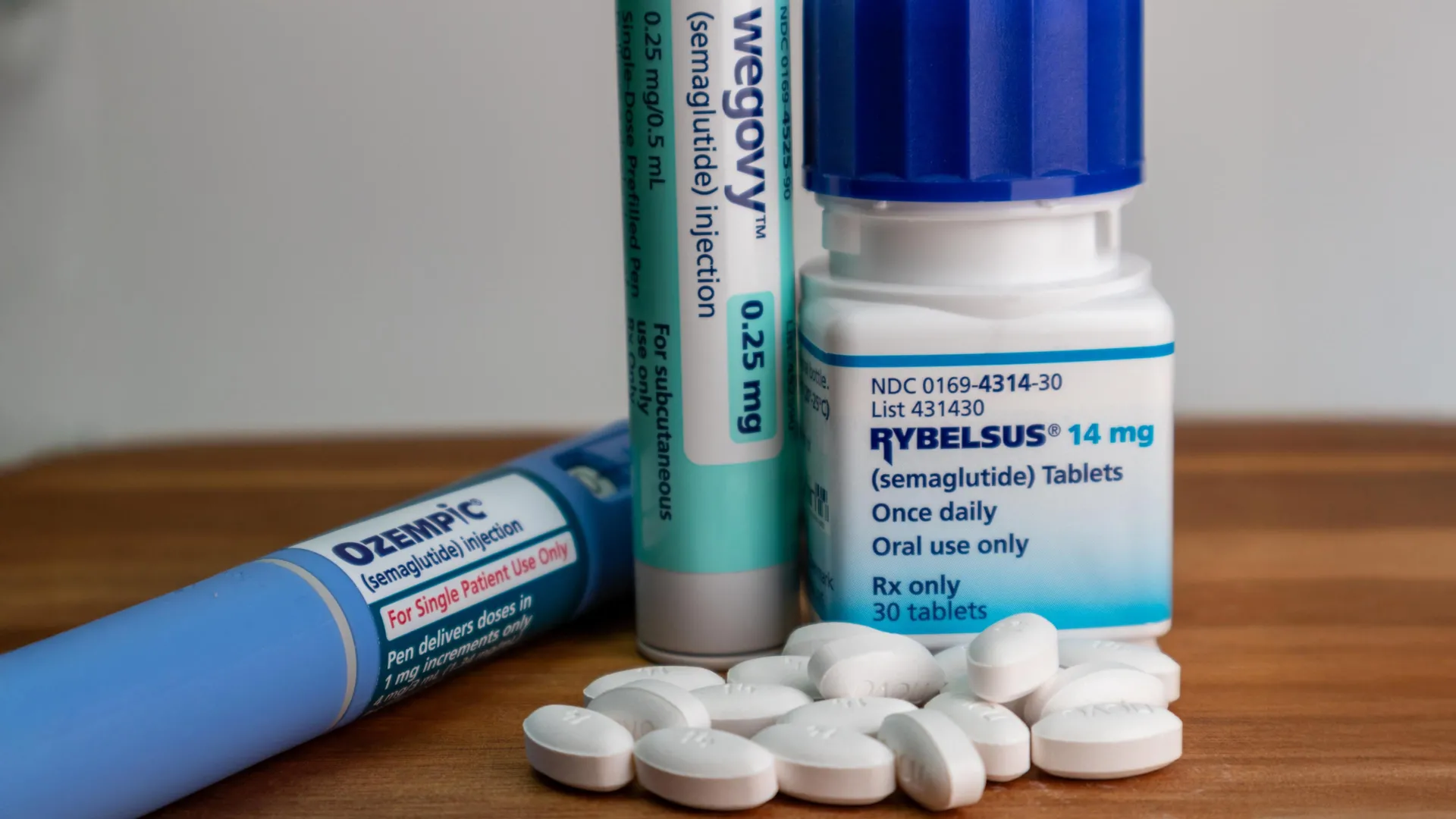
Wegovy’s Next Trick? Arthritis Inflammation, Says Study That Measured GLP-1 in Joints for First Time
Aarhus University researchers found that GLP-1, the hormone behind Wegovy, is barely present in arthritic joints - but higher drug doses might fight inflammation directly, offering a potential bonus beyond weight loss.
Arthritis, the umbrella term for joint disorders that make everything from opening a jar to walking the dog feel like a personal betrayal, affects millions. Current treatments mostly aim to ease symptoms and tamp down inflammation, but researchers at Aarhus University's Department of Biomedicine have stumbled onto a potential new angle: the hormone GLP-1, best known for starring in weight loss drugs like Wegovy.
Published in Lancet Rheumatology, the study found that the body's natural GLP-1 levels in joints are disappointingly low - like finding one potato chip in a bag. But because GLP-1 medications deliver much higher doses, they might actually influence inflammation directly in the joints. "Our study shows that the body's own GLP-1 hormone is present only in very small amounts in the joints," said Associate Professor Tue Wenzel Kragstrup, who led the research. "This means that its natural effect in the joint is likely to be limited. However, it also suggests that GLP-1-based medication, which is administered in much higher doses, may be able to influence inflammation directly in the joints."
Weight loss is already recommended for many arthritis patients, especially those with osteoarthritis. The researchers think Wegovy and friends could pull double duty. "Weight loss is already part of the recommendations for many patients with arthritis, but our study may indicate that medication such as Wegovy could have a dual effect - both through weight loss and by increasing GLP-1 levels in the joints," Kragstrup said.
The team, including medical doctor and PhD student Mads Brüner and PhD student Amalie Broksø, analyzed blood and joint fluid from arthritis patients. They found that GLP-1 levels in joint fluid closely matched those in the blood. "We can see that the levels of GLP-1 in joint fluid are closely linked to the levels in the blood," Brüner explained. "This suggests that it is primarily the amount of GLP-1 circulating in the body that determines how much reaches the joint."
This is the first time scientists have detected GLP-1 in the joint fluid of arthritis patients, providing a biological basis for investigating whether these drugs might have direct effects in joints beyond weight and metabolism. But Kragstrup cautioned: "We have not demonstrated that the treatment works against arthritis. This will require a number of clinical studies." So patients should not expect a prescription for Wegovy at their next rheumatology appointment anytime soon. The next step is to see if the medication actually reaches joints in sufficient quantities and reduces inflammation.
The translational clinical biomarker study examined paired blood and joint fluid samples from patients with inflammatory arthritis, including rheumatoid arthritis and spondyloarthritis. It involved researchers from Aarhus University's Department of Biomedicine, the Department of Molecular Medicine at Aarhus University Hospital, the Clinic for Rheumatic and Connective Tissue Diseases at Hospitalsenhed Midt, the Novo Nordisk Foundation Center for Basic Metabolic Research, and the Department of Biomedical Sciences at the University of Copenhagen. Funding came from Director Michael Hermann Nielsen's Memorial Grant and the Risford Foundation. The authors reported no conflicts of interest.
The Good Times
News in your inbox.
One sardonic roundup, delivered on your schedule. Free. Unsubscribe whenever your tolerance for wit runs out.
Already subscribed but we never reach your inbox? Check your spam folder and hit 'Not spam' (or 'Remove from spam') to bust us out of junk-mail purgatory. You'll be helping everyone else too.
Don't open any of our emails for a month and you'll be automatically removed from the mailing list.
Rewrite Article
Select parts to regenerate with a fresh AI pass. Translations will be updated automatically.
Generate AI Image
Creates a sardonic version of the article image using OpenAI.