UN Warns Afghan Mothers and Children Are Running Out of Both Food and Options
Afghan mothers and children are being turned away from clinics as malnutrition hits near-record levels, while the Taliban also finds time to detain journalists. Great times all around.
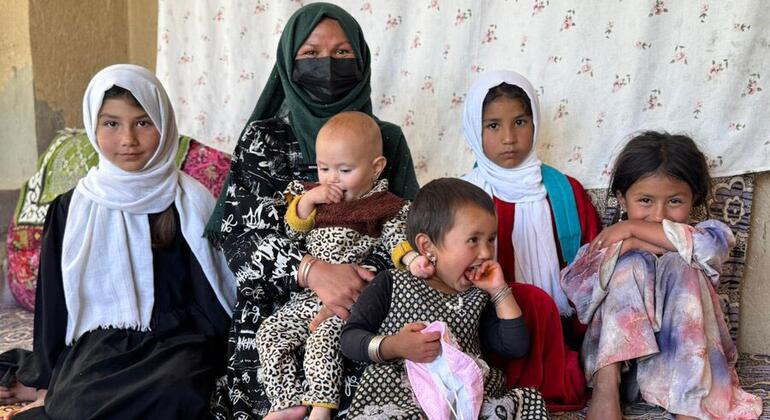
The UN World Food Programme has issued yet another grim warning about Afghanistan, where malnutrition is now so severe that mothers and children are being turned away from clinics because there’s literally nothing left to give them. Deputy Executive Director Carl Skau, fresh off a visit to the country, described meeting women and children who trekked over two hours to a WFP-supported clinic in Hisar Shahi camp, only to be told, “Sorry, no nutritious supplements today.” Because when you’re already starving, a two-hour walk for nothing is just the cherry on top.
Afghanistan is currently experiencing near-record levels of malnutrition, with nearly five million mothers and children affected. The situation is being exacerbated by a perfect storm of crises: the closure of the border with Pakistan, repeated floods and earthquakes, and a steep drop in humanitarian funding. Oh, and soaring global fuel prices and disrupted supply routes from the Middle East conflict are making things even worse for WFP’s already underfunded operations. Because why not?
To add to the chaos, an additional 500,000 people have returned from Pakistan and Iran so far this year, joining the nearly 2.8 million who came back last year. These families are moving into host communities that are themselves struggling, often arriving with nothing more than what they can carry. Skau noted meeting single mothers and families with young babies who crossed the border with no idea where their next meal would come from. “They need food, shelter, safety and immediate support,” he said, which seems like the bare minimum for human decency.
WFP has been trying to keep up by opening new supply corridors and targeting the most vulnerable, but Skau warned that without urgent donor support and expedited clearance of humanitarian supplies, “these extraordinary efforts will fall desperately short of preventing a humanitarian disaster for millions of mothers and children.” The agency urgently needs $350 million for the next six months to keep its life-saving operations running. That’s about the cost of a few fighter jets, for context.
Meanwhile, the humanitarian crisis is unfolding against a backdrop of broader concerns over rights and civic freedoms. The UN Assistance Mission in Afghanistan (UNAMA) expressed “serious concern” over the detention of at least three journalists by the de facto Taliban authorities this week on unspecified charges. These detentions come amid continued reports of threats and assaults against journalists, as well as confiscation of their property during search operations. UNAMA has asked for the legal basis and charges to be clarified, and for due process rights to be respected. Because a free and independent press is essential for transparency, accountability, and the well-being of Afghan society - though that might be a tough sell to authorities who seem to prefer their news sans journalists.
The Good Times
News in your inbox.
One sardonic roundup, delivered on your schedule. Free. Unsubscribe whenever your tolerance for wit runs out.
Already subscribed but we never reach your inbox? Check your spam folder and hit 'Not spam' (or 'Remove from spam') to bust us out of junk-mail purgatory. You'll be helping everyone else too.
Don't open any of our emails for a month and you'll be automatically removed from the mailing list.
Rewrite Article
Select parts to regenerate with a fresh AI pass. Translations will be updated automatically.
Generate AI Image
Creates a sardonic version of the article image using OpenAI.