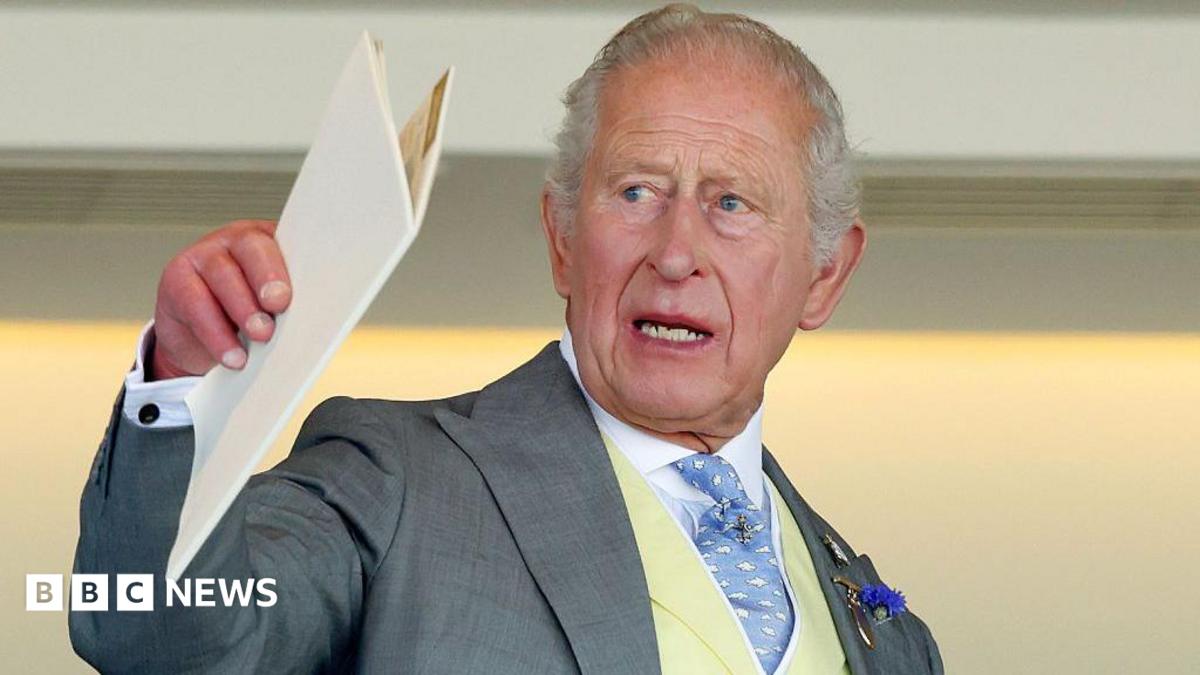
King Charles Drops Historic £12.9m Tax Bill, But It's Not Exactly a Tax
King Charles pays £12.9m in taxes he's not legally required to pay, because 'voluntary tax' is apparently a thing - and nobody's quite sure how the number was calculated.
King Charles has made history by revealing his £12.9m tax bill, but the payment is far from ordinary - starting with the fact that he's not legally required to pay a penny of it.
The announcement comes alongside the Royal Household's annual financial report, which raises as many questions as it answers about the monarch's unique tax situation. Charles is exempt from income tax, capital gains tax, and inheritance tax by law, but he voluntarily pays some of them under a Memorandum of Understanding (MoU) with the government - a deal struck in 1993 after public pressure over royal costs and updated in 2023 after Queen Elizabeth II's death.
Tax expert Dan Neidle of Tax Policy Associates cuts through the royal gloss: "If it's voluntary, it's not tax." HMRC itself defines tax as money you're legally required to pay. The King does pay VAT, employer taxes, and local rates "in line with requirements," so it's not all optional - just the big-ticket items.
The report boasts transparency but offers little clarity on how the £12.9m figure was calculated. We know Charles pays tax on personal income, Privy Purse income not spent on official duties, and capital gains on private property sales - but not what proportion of each makes up the total. The Privy Purse, mostly from the Duchy of Lancaster (thousands of hectares of land, castles, and quarries), brought in £25.2m. Then there's personal earnings from "investment income and trading profits," but no number is given.
Historian Anna Whitelock notes the reveal puts Charles "front and centre as a very rich man" - a PR move to appear responsive before being pushed. But Shaun Moore of Quilter points out the lack of detail: "The headline figure is a large sum of tax… but there's not any breakdown of how that was arrived at."
Also missing: how much Privy Purse income goes to personal vs. official use - crucial because Charles only voluntarily taxes personal spending, effectively deducting royal business expenses. Plus, he has two tax-free funding streams (the Sovereign Grant and untaxed official duties from the Privy Purse), a system akin to a self-employed person's expenses but with far looser definitions. The Sovereign Grant covers staff and running costs; untaxed Privy Purse funds include working royals' personal incomes.
Keeper of the Privy Purse James Chalmers insists the system is "clear in principle, structured in law and refined over time." Clear as mud, perhaps - but at least the headline number is out there.
The Good Times
News in your inbox.
One sardonic roundup, delivered on your schedule. Free. Unsubscribe whenever your tolerance for wit runs out.
Already subscribed but we never reach your inbox? Check your spam folder and hit 'Not spam' (or 'Remove from spam') to bust us out of junk-mail purgatory. You'll be helping everyone else too.
Don't open any of our emails for a month and you'll be automatically removed from the mailing list.
Rewrite Article
Select parts to regenerate with a fresh AI pass. Translations will be updated automatically.
Generate AI Image
Creates a sardonic version of the article image using OpenAI.