NASA
NASA's Roman Telescope: 1.3 Million Names, 300 Megapixels, Zero Chill
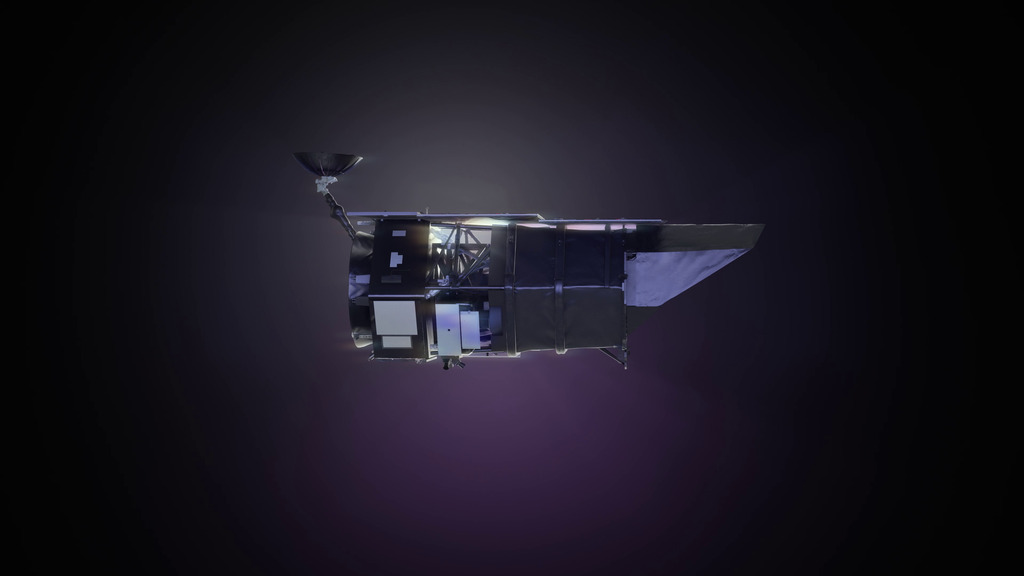
NASA's Roman telescope is launching with 1.3 million names, a 300-megapixel camera, and a plan to see everything from exoplanets to dark energy - because why not?
NASA
NASA's Roman telescope is launching with 1.3 million names, a 300-megapixel camera, and a plan to see everything from exoplanets to dark energy - because why not?
NASA
The James Webb Space Telescope gives us a lion-headed nebula, proving that even dying stars have better hair days than we do.
ScienceDaily
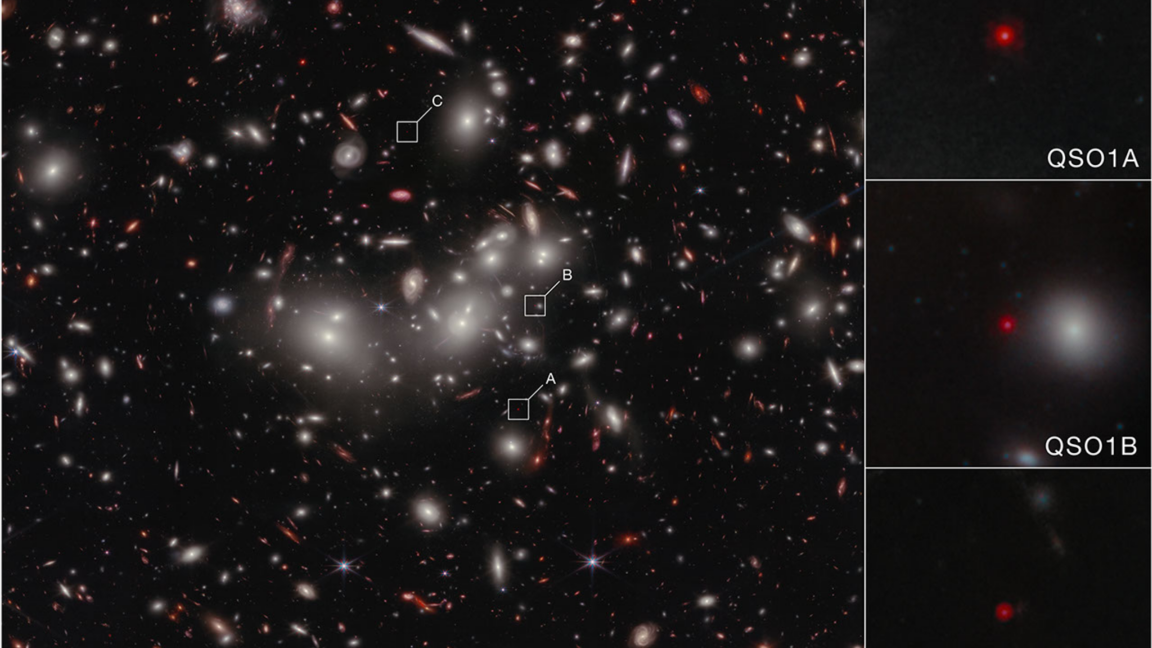
Astronomers may have figured out what those little red dots are - and they're not just dots. They might be hiding entire galaxies behind their bright, compact cores.
The Guardian Europe
Astronomers discover a black hole wearing a star's clothing, and it's 30 billion light-years away - so don't worry, your day is still normal.
NASA
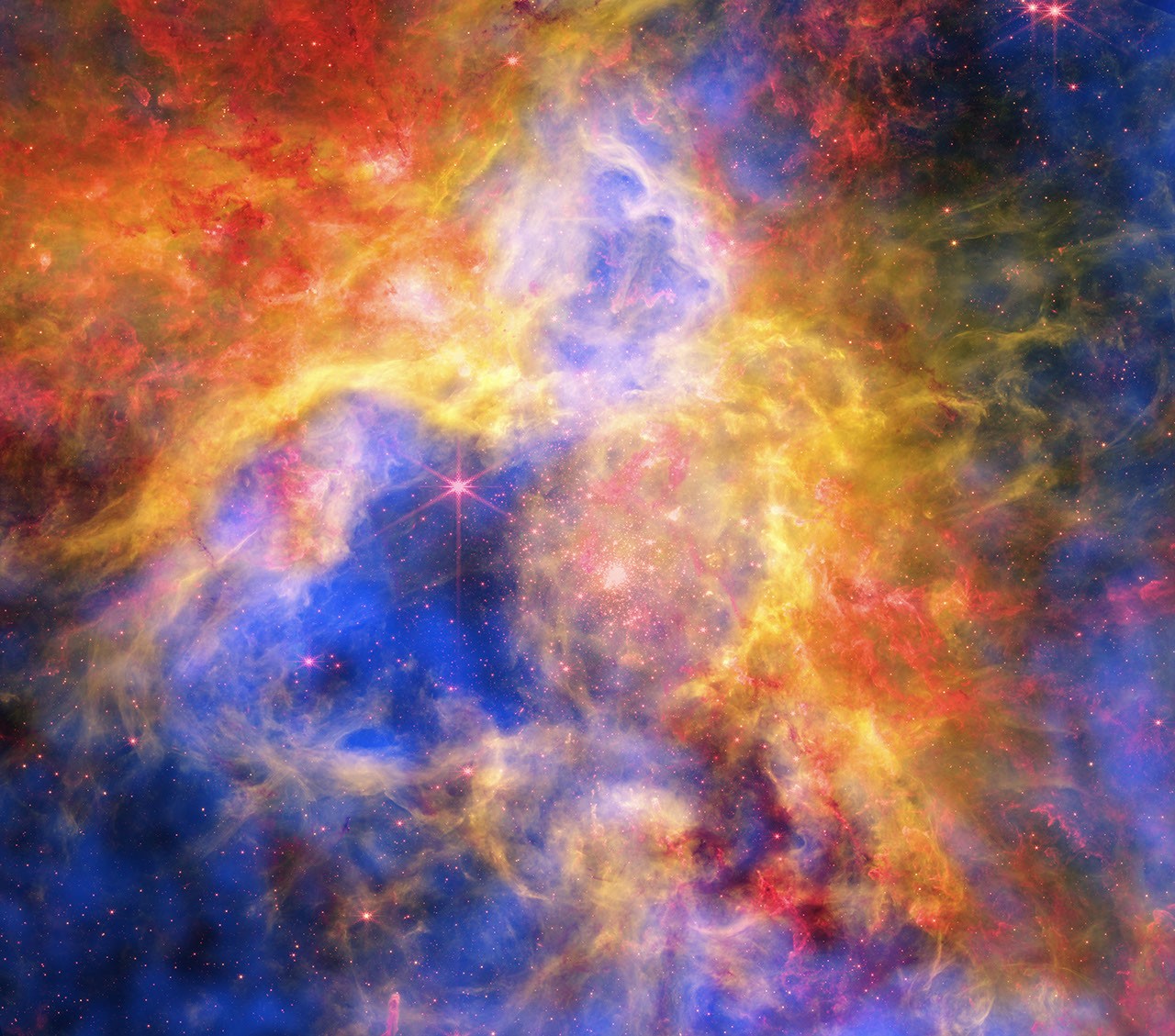
NASA's telescopes combine forces to create a cosmic collage of the Tarantula Nebula, revealing that the universe is even more complicated - and colorful - than we thought.
The Verge
New OMB proposal gives political appointees control over science grants, threatening open access and allowing grant termination for political reasons - because who needs peer review when you have memes?
ScienceDaily
Scientists point two giant radio telescopes at a promising exoplanet, hear nothing but Earth's own racket, and call it a productive day.
Ars Technica
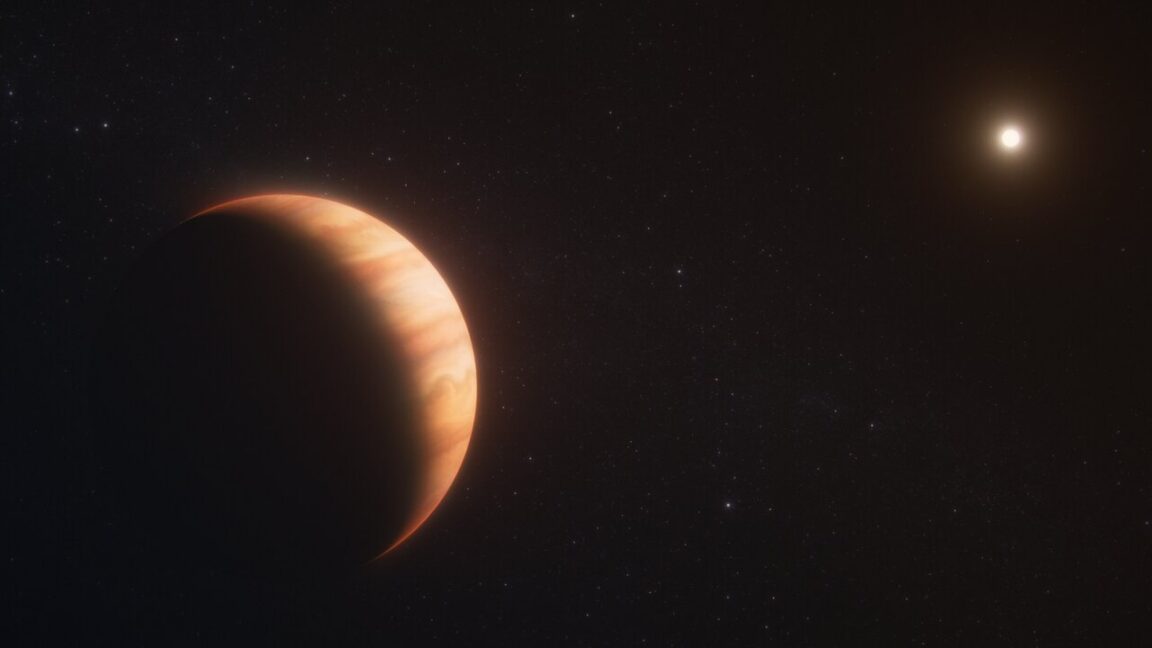
A Jupiter-size planet that survived its star's death is hotter than it should be, suggesting it was reheated by gravitational interactions billions of years later.
Ars Technica
Smithsonian's VR tour takes you to a hell planet, a black hole, and the Big Bang, but the headset could use an upgrade.
ScienceDaily
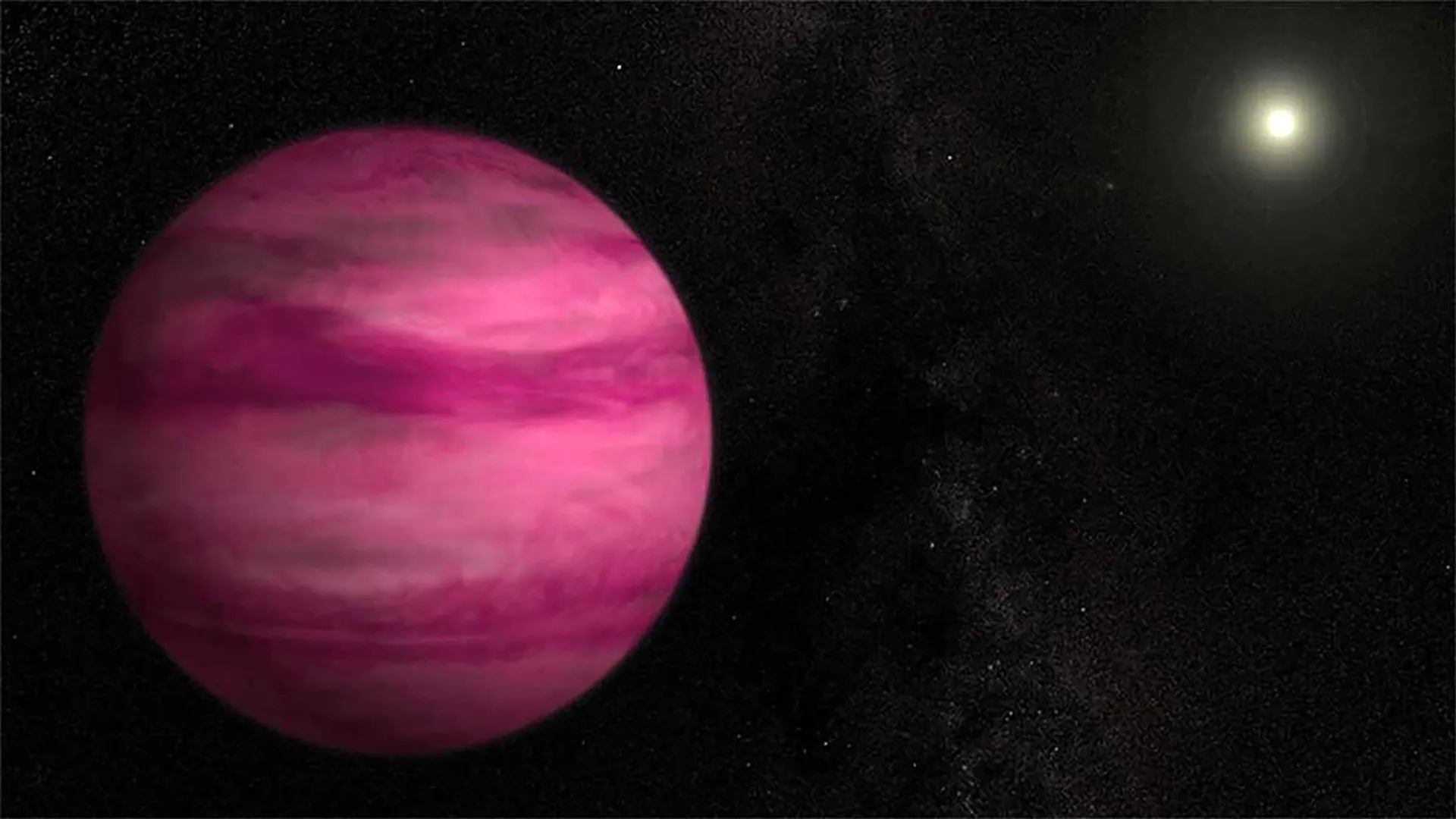
JWST finds salt clouds on a pink, possibly-planet 57 light-years away, confirming a 15-year-old prediction and proving the universe has a taste for seasoning.
ScienceDaily
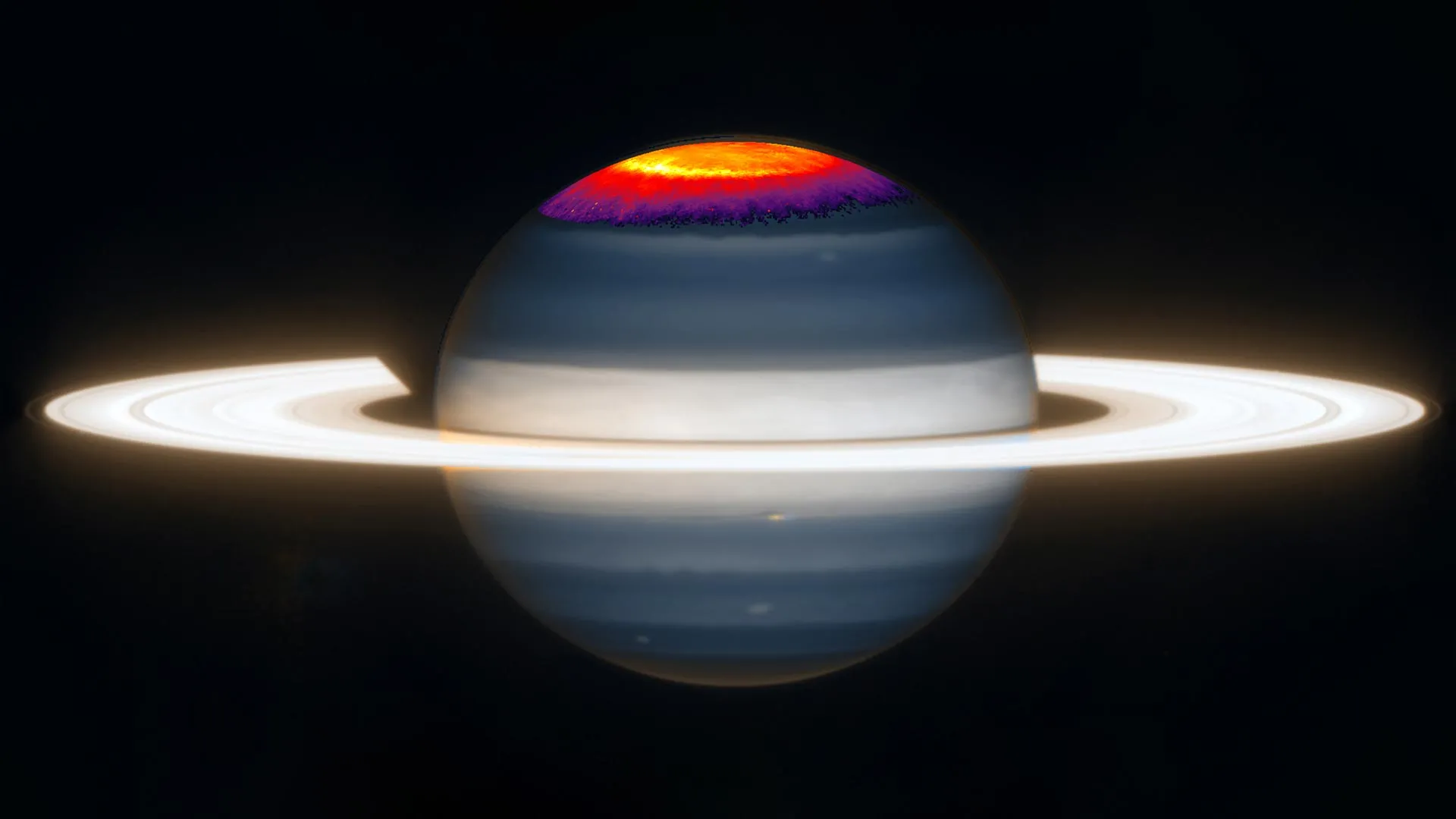
Saturn's spin mystery was a case of aurora-induced atmospheric trickery, solved by JWST's unprecedented infrared temperature maps - a classic planetary heat pump.
Ars Technica
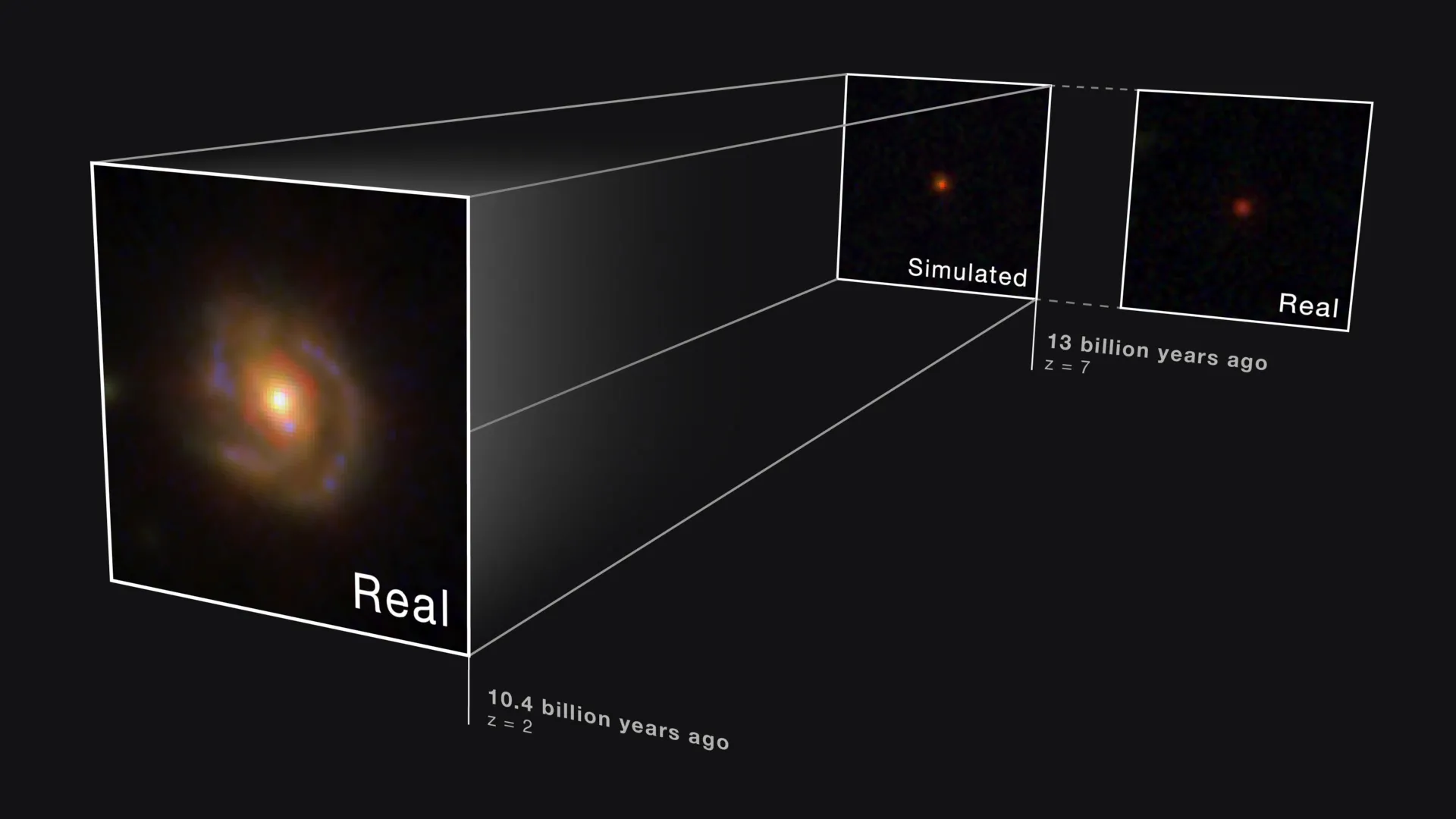
JWST finds a supermassive black hole from 700 million years after the Big Bang that's basically all black hole, no galaxy - because the Universe has a sense of humor.
Ars Technica
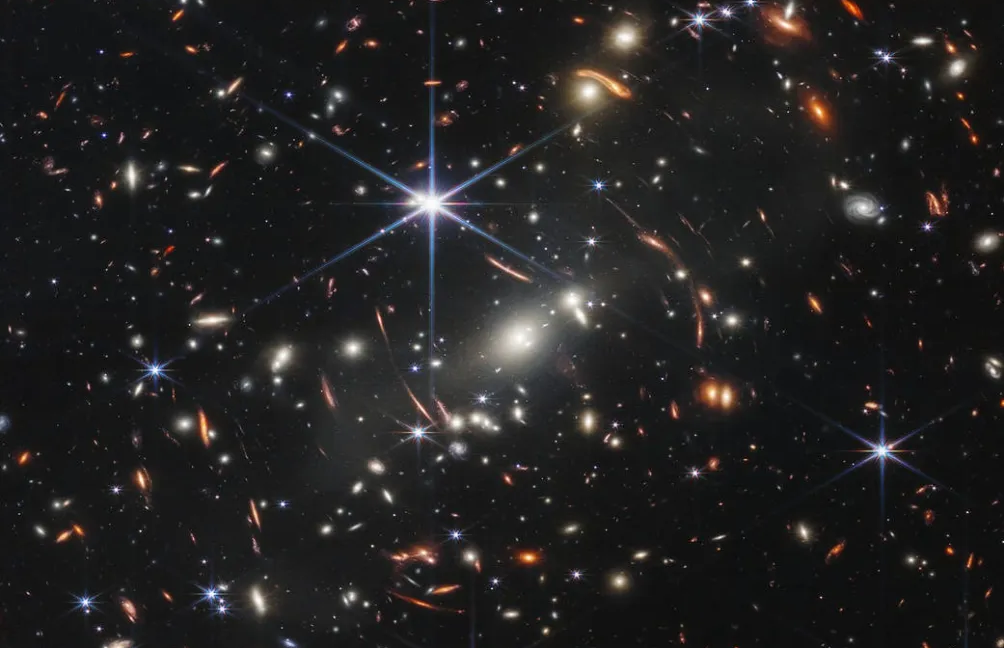
Astronomers using the Webb telescope and a gravitational lens spot a galaxy from 800 million years post-Big Bang that's so chemically primitive it might be a fossil of the Universe's first stars.
ScienceDaily
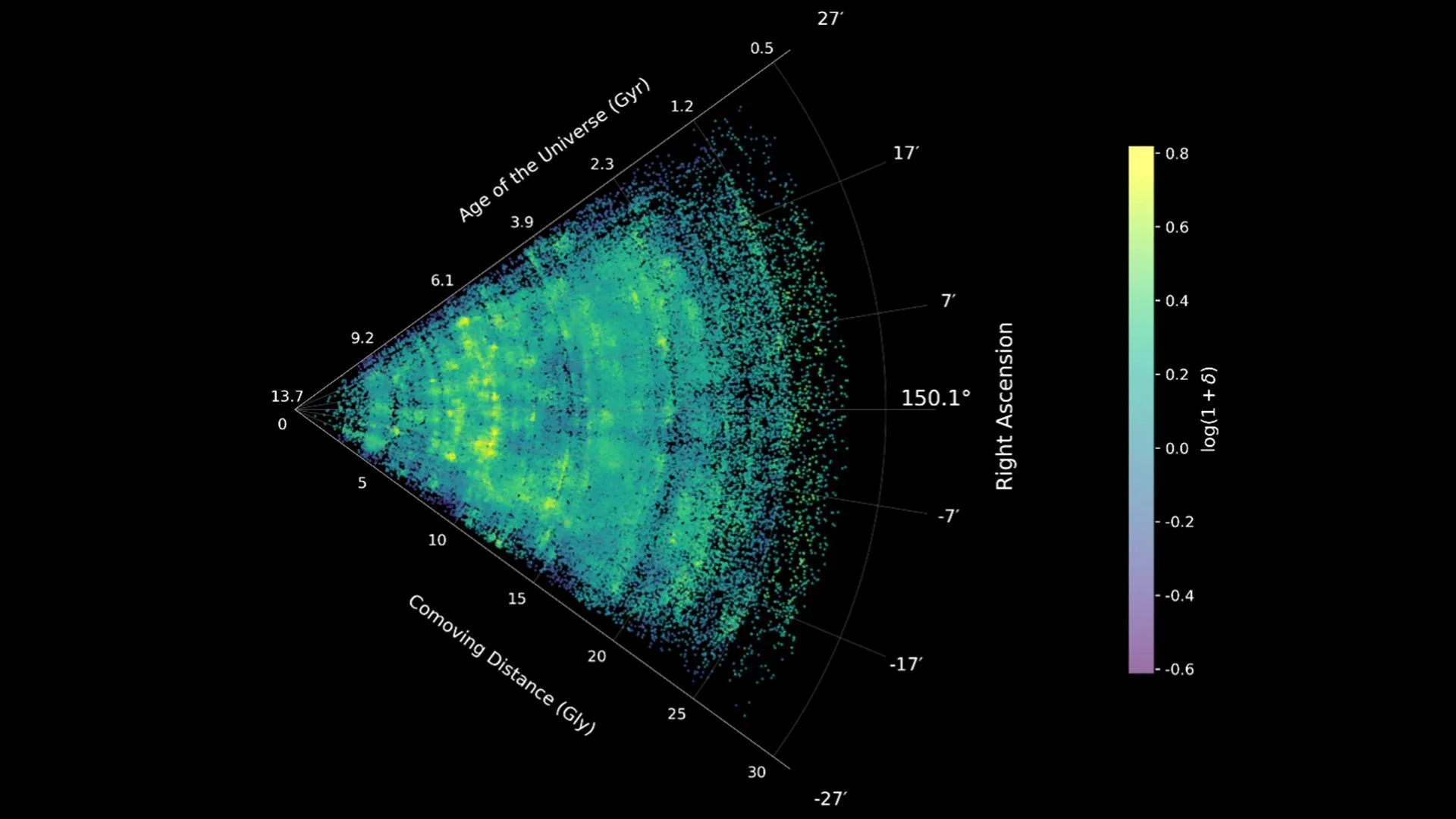
NASA's JWST delivers the clearest map of the universe's cosmic web, revealing galaxy evolution from a billion years old - essentially giving the cosmos a sharper LinkedIn profile photo.
ScienceDaily
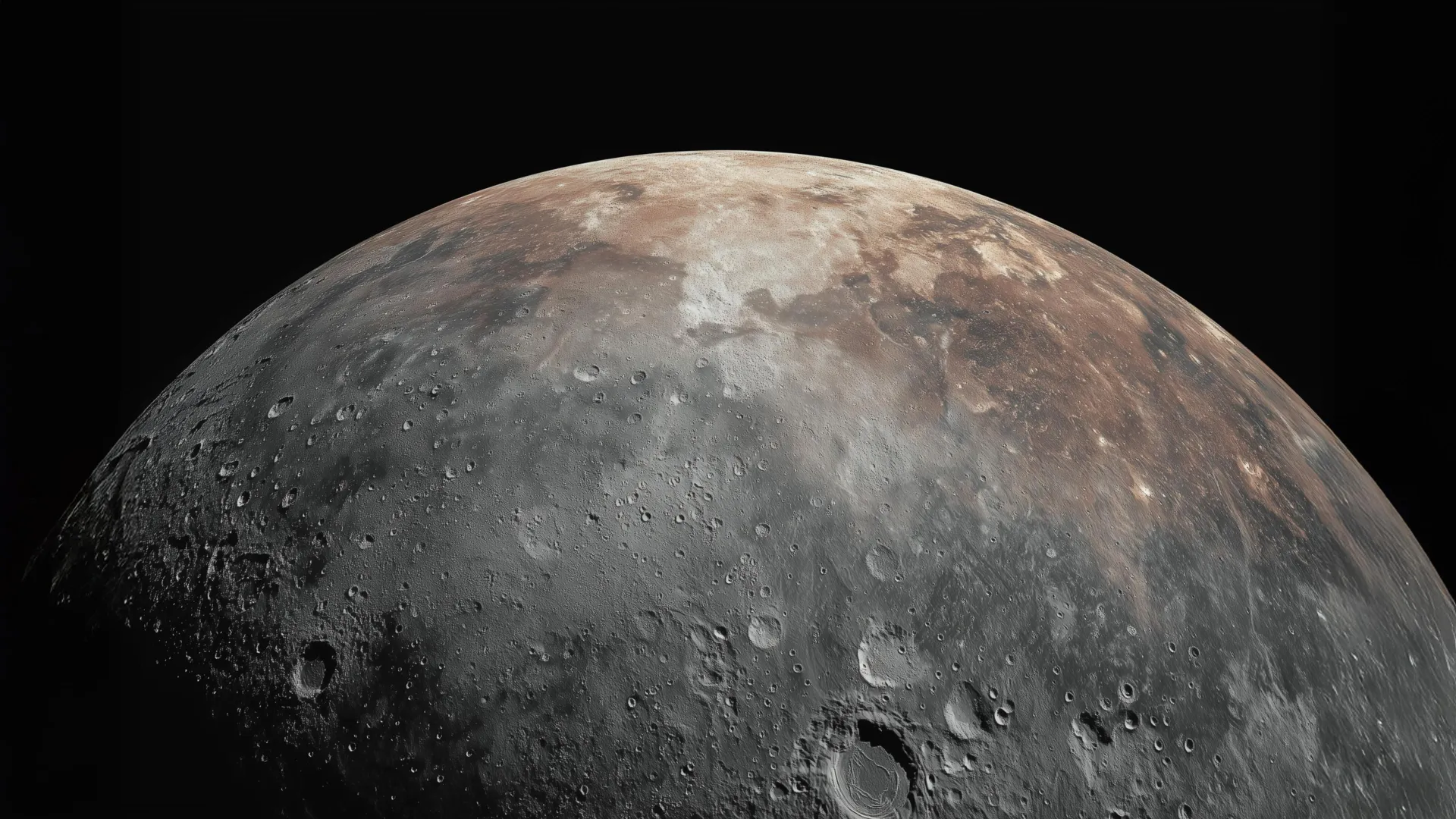
JWST finds a dark, barren super-Earth with no atmosphere, likely resembling an oversized Mercury - and definitely not a place you'd want to visit.
ScienceDaily
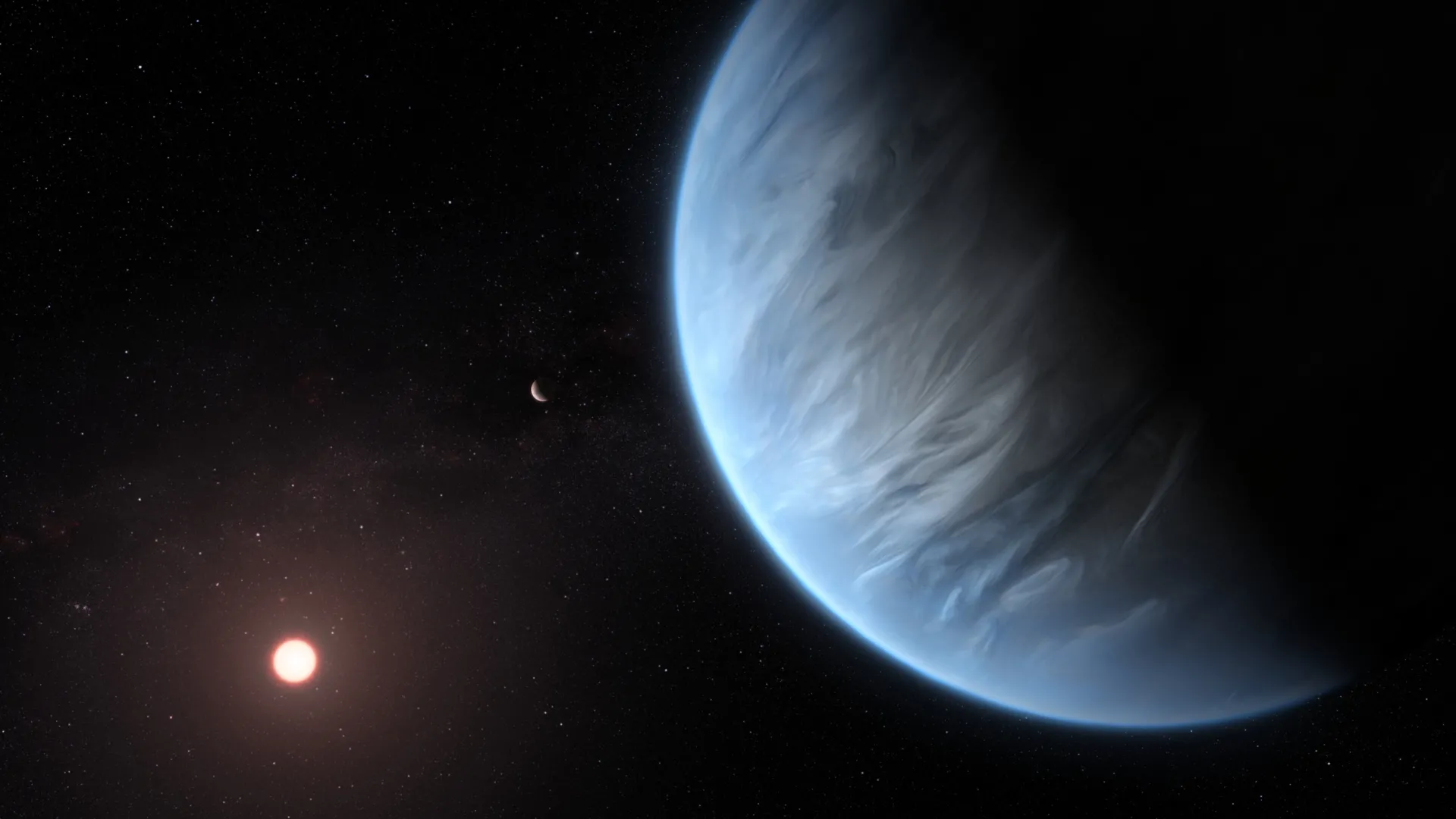
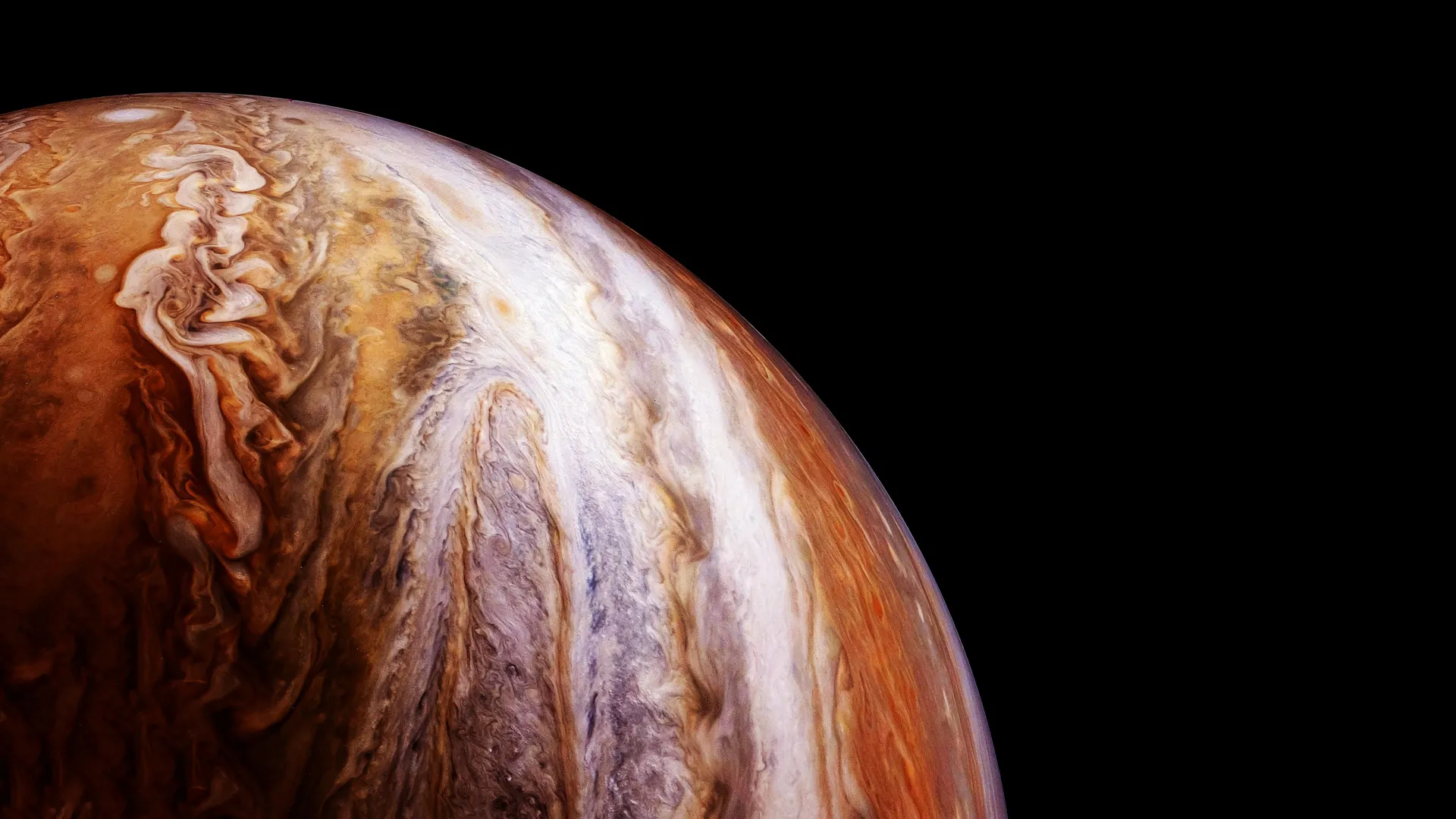
The James Webb Space Telescope has found unexpected water ice clouds on a Jupiter-like exoplanet, proving that even alien gas giants can have complicated, cloudy days.
The Good Times
One sardonic roundup, delivered on your schedule. Free. Unsubscribe whenever your tolerance for wit runs out.
Already subscribed but we never reach your inbox? Check your spam folder and hit 'Not spam' (or 'Remove from spam') to bust us out of junk-mail purgatory. You'll be helping everyone else too.