Indonesian Baby Trafficking Convictions Leave Singaporean Adoptive Parents in Limbo: 'What Happens to Our Son?'
19 convicted for trafficking 34 babies from Indonesia to Singapore, but adoptive parents are left waiting to see if they can keep the children they've raised.
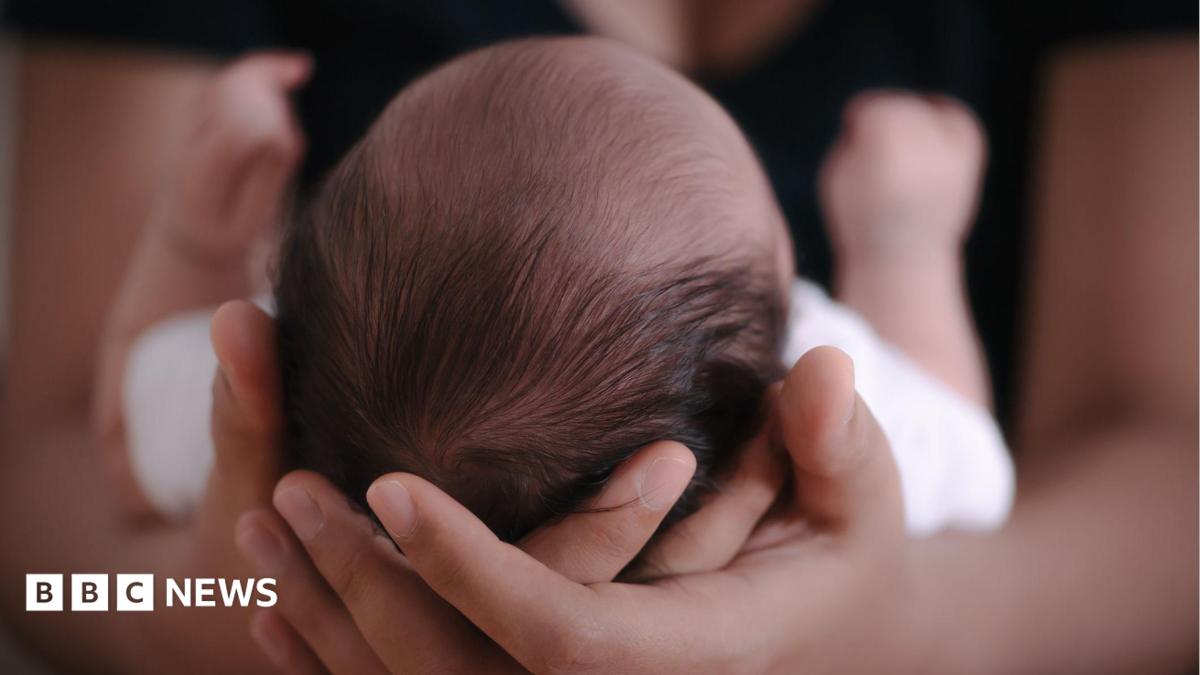
On Tuesday an Indonesian court convicted 19 people for baby trafficking, wrapping up a high-profile case but leaving a key question unanswered: what happens to the babies now? The trafficking syndicate was found guilty of procuring at least 34 babies for adoption, with most bound for Singapore - at least 12 made it across.
Now that the verdict is in, adoptive parents in Singapore are on tenterhooks, wondering if they'll get to keep their children. David, a Singaporean parent using a pseudonym, told the BBC, "Since the case is concluded, how can we move on and what will happen to our son? It's been almost a year of fear and anxiety from waiting." He and his wife Ally had no idea their adopted child might have been trafficked, despite submitting to numerous checks by the Singaporean government - checks that, they argue, should have caught it.
Indonesia's foreign affairs ministry said after the verdict that "several aspects require further examination," including the children's legal status and biological parents' identities. Singaporean authorities have yet to respond. Anti-trafficking groups in Indonesia argue the children should return to their biological parents as a matter of principle, but that's complicated when those parents haven't been identified. Some children may have no one to return to, landing them in state care - eight babies from the ring are already in a Bandung orphanage.
Legal experts note that revoking adoptions in Singapore is nearly unheard of; adoption orders are generally treated as final. The court could consider factors like psychological impact (separating young children from caregivers can cause lifelong harm), how long the child has been in Singapore (the babies entered between 2023 and 2025, making the oldest at least three), and whether the adoption basis was fraudulent (birth certificates were proven fake).
Criminologist Ni Made Martini Puteri argues that if a child has only known life in Singapore since infancy, it makes more sense for them to stay with their adoptive parents - but they should still have the right to know their biological parents if identified. She adds that protection should extend to the adoptive parents, who may have been victims too. David just wants "to live a normal family life" and hopes authorities decide based on the children's best interests. Because nothing says 'best interest' like an unresolved international custody battle.
The Good Times
News in your inbox.
One sardonic roundup, delivered on your schedule. Free. Unsubscribe whenever your tolerance for wit runs out.
Already subscribed but we never reach your inbox? Check your spam folder and hit 'Not spam' (or 'Remove from spam') to bust us out of junk-mail purgatory. You'll be helping everyone else too.
Don't open any of our emails for a month and you'll be automatically removed from the mailing list.
Rewrite Article
Select parts to regenerate with a fresh AI pass. Translations will be updated automatically.
Generate AI Image
Creates a sardonic version of the article image using OpenAI.