Government's 'Lazy' Fix for Grooming Victims: Pardon the Prostitution, Ignore Everything Else
Baroness Casey calls the government's partial pardon for grooming victims the 'lazy option,' as survivors with criminal records for coerced crimes remain stuck in a system that still won't wipe the slate clean.
Children who were groomed, sexually abused, and then prosecuted for crimes including prostitution are still being failed, according to Baroness Louise Casey, author of a landmark report on grooming gangs. Casey called on the government last year to quash all convictions of victims who were criminalised when they should have been protected. The government has since introduced legislation to pardon "child prostitution" offences, but Casey told the BBC in an exclusive interview that this was the "lazy option," failing to establish a comprehensive scheme to quash all wrongful convictions.
"I feel that they've gone for the easy option and, if I'm being more brutal, [the] lazy option of not setting up a disregard scheme with enough thought, enough care and enough action," Casey said. The Home Office responded by saying it would take forward her recommendation to review criminal convictions shaped by childhood sexual abuse, encouraging affected individuals to contact the Criminal Cases Review Commission.
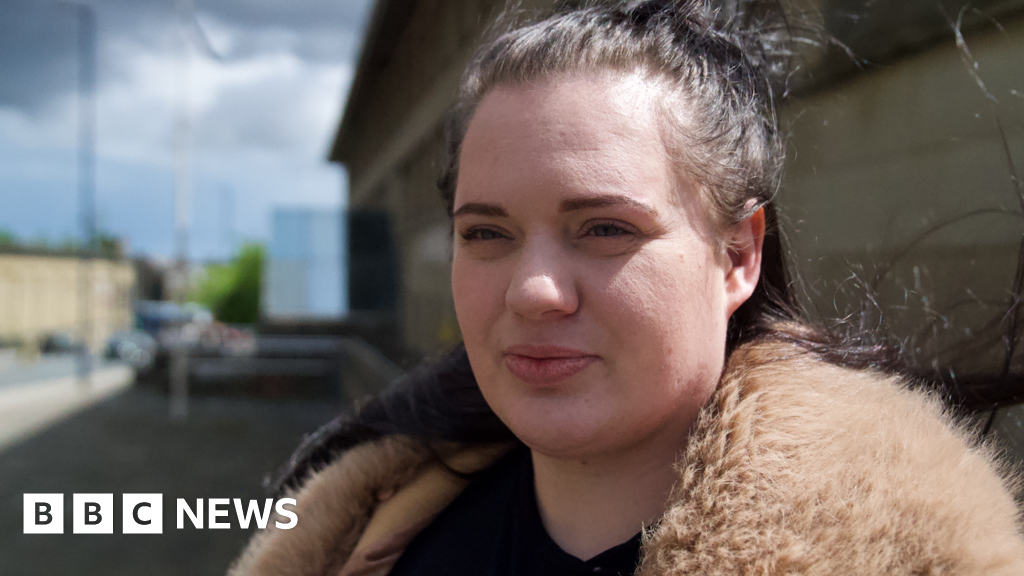
The BBC spoke to women still being punished decades after being coerced into crimes. Joanne (not her real name) was groomed from age 15, raped and sexually exploited by over 500 men nationwide. Repeatedly arrested as a child and treated as an offender, she received her first conviction for loitering and soliciting in Wolverhampton in the early 1990s at age 17. "Everybody told me that I was this problem - that I was guilty and I had committed a crime," she said. Her record of over 40 prostitution convictions has blocked jobs, college, travel, and volunteering at her children's school. The new pardon does not cover adult convictions, so those from age 18, when she was still being trafficked, remain. Joanne also wants financial compensation.
Fiona Goddard, targeted by a grooming gang as a teenager in a Bradford children's home, has between 30 and 50 convictions for public order offences, common assault, and criminal damage - often resulting from emotional dysregulation after abuse. Nine men were convicted in 2019 for raping and trafficking her. "The care homes weren't allowed to offer you comfort or hugs," she said. "You would get restrained and I'd end up fighting back." She described the government's narrow focus as "trying to wipe away the evidence of their mistakes."
Jamie Leigh Jones, abused from age 12 by an Oldham grooming gang, was arrested over 100 times and convicted for public order offences at 13. Magistrates named and shamed her after a conviction for an anti-social behaviour order, making her "an even bigger target." At 14, she was sentenced to four months at Red Bank Secure Unit in Merseyside, a juvenile detention centre that housed some of Britain's most serious young offenders, including Jon Venables. She wants all cases assessed individually and records wiped clean.
The government insists victims with non-prostitution convictions can apply to the Criminal Cases Review Commission, which can refer cases to courts. Joanne applied but was rejected; the CCRC said her convictions were lawful at the time, despite acknowledging they were linked to trafficking. "They're just brushing it all under the carpet," she said. "They need to compensate us. They need to validate the harm, the systemic harm that it caused us for the rest of our lives."
The new law applies only to England and Wales. Scotland says it has an ongoing strategy to tackle commercial sexual exploitation, while Northern Ireland's Department of Justice is reviewing its pardons and disregards scheme.
The Good Times
News in your inbox.
One sardonic roundup, delivered on your schedule. Free. Unsubscribe whenever your tolerance for wit runs out.
Already subscribed but we never reach your inbox? Check your spam folder and hit 'Not spam' (or 'Remove from spam') to bust us out of junk-mail purgatory. You'll be helping everyone else too.
Don't open any of our emails for a month and you'll be automatically removed from the mailing list.
Rewrite Article
Select parts to regenerate with a fresh AI pass. Translations will be updated automatically.
Generate AI Image
Creates a sardonic version of the article image using OpenAI.