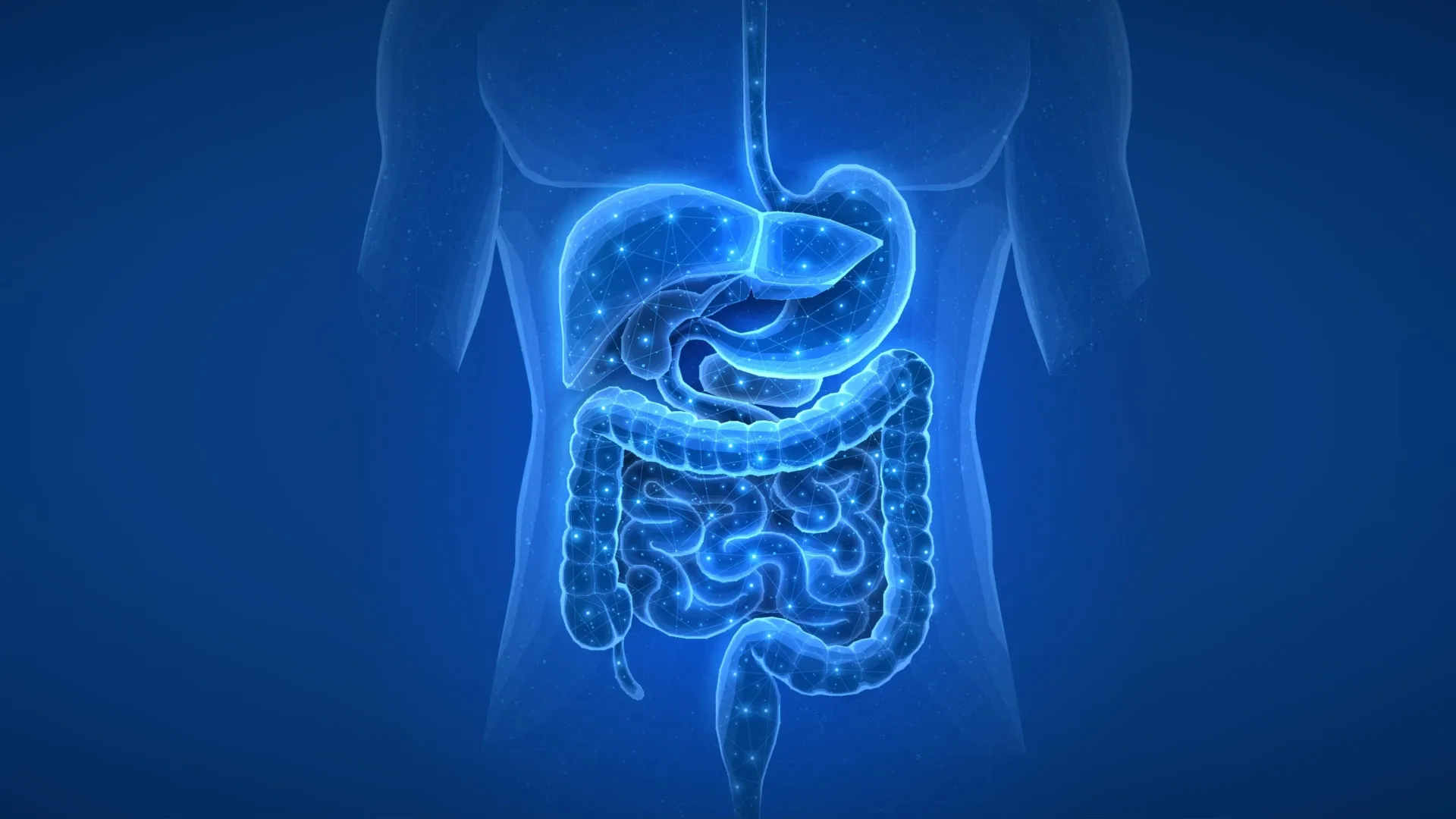
Remember that pill you popped three years ago? Your gut bacteria certainly do. A large study from the University of Tartu Institute of Genomics has found that medications can leave lasting fingerprints on the gut microbiome long after you've stopped taking them, because apparently your microbiome has a better memory than you do.
The researchers analyzed stool samples and prescription records from over 2,500 participants in the Estonian Biobank's Microbiome cohort. They discovered that most medications examined were associated with differences in gut microbes, and for a substantial number of drugs, those differences persisted for years after discontinuation. And no, it's not just antibiotics - although they're the usual suspects. Antidepressants, beta-blockers, proton pump inhibitors, and benzodiazepines also left their mark.
Beta-blockers, used for high blood pressure and heart issues; proton pump inhibitors, the acid-reflux crowd; and benzodiazepines, the anxiety relievers - all were linked to distinctive microbial "fingerprints." Lead author Dr. Oliver Aasmets noted, "Most microbiome studies only consider current medications, but our results show that past drug use can be just as important as it is a surprisingly strong factor in explaining individual microbiome differences." In other words, your prescription history is the gift that keeps on giving, at least to the bacteria in your gut.
One striking finding: benzodiazepines, commonly prescribed for anxiety, had associations with the gut microbiome comparable to those of broad-spectrum antibiotics, which are known for their gut-wrecking capabilities. But here's a twist: drugs in the same class didn't always affect the microbiome similarly. For example, diazepam and alprazolam, both benzodiazepines, differed in their disruptive power. This suggests that lumping drugs together by class in research might be as wise as grouping all desserts by sweetness - you'll miss the nuances.
The study also used follow-up stool samples from a smaller group to observe what happened when people started or stopped medications. These changes were accompanied by predictable shifts in gut microbes, suggesting the drugs themselves cause at least some of the differences. Persistent effects were confirmed for proton pump inhibitors, selective serotonin reuptake inhibitors (the antidepressant class), and antibiotics like penicillin combinations and macrolides.
Corresponding author Professor Elin Org emphasized, "This is a comprehensive systematic evaluation of long-term medication effects on the microbiome using real-world medical health records. We hope this encourages researchers and clinicians to factor in medication history when interpreting microbiome data." Because nothing says 'accurate science' like ignoring the fact that your subject took antacids three years ago.
So, the next time you're marveling at your gut's unique microbial ecosystem, remember: it's not just your diet, lifestyle, and health - it's also that course of antibiotics from 2019, that beta-blocker from 2021, and that anxiety medication that made you forget where you put your keys. Your microbiome remembers it all.
The Good Times
News in your inbox.
One sardonic roundup, delivered on your schedule. Free. Unsubscribe whenever your tolerance for wit runs out.
Already subscribed but we never reach your inbox? Check your spam folder and hit 'Not spam' (or 'Remove from spam') to bust us out of junk-mail purgatory. You'll be helping everyone else too.
Don't open any of our emails for a month and you'll be automatically removed from the mailing list.
Rewrite Article
Select parts to regenerate with a fresh AI pass. Translations will be updated automatically.
Generate AI Image
Creates a sardonic version of the article image using OpenAI.