The World Health Organization is facing off against a rare Ebola outbreak in the Democratic Republic of Congo and Uganda, and has decided that the best weapon is - wait for it - community trust. Because, as it turns out, you can't stop a virus if everyone is too scared to admit they might have it.
The outbreak, caused by the Bundibugyo strain, has already racked up 51 confirmed cases in Congo's Ituri and North Kivu provinces, with nearly 600 suspected cases and 139 suspected deaths tallied so far. Two cases have also popped up in Kampala, Uganda. The WHO assessed the risk as high at national and regional levels but low globally, and its emergency committee ruled that this doesn't quite qualify as a pandemic emergency - which, given recent history, is something of a relief.
Here's the catch: there is no licensed vaccine or specific treatment for this particular strain. The Zaire strain, which causes more frequent and virulent outbreaks, has vaccines and therapies. The Bundibugyo strain? Not so much. So the WHO is leaning hard on rapid response and community engagement, deploying experts and medical equipment with help from MONUSCO, WFP, and Doctors Without Borders. More than 11 tonnes of equipment have already been shipped to Bunia.
Dr. Marie Roseline Belizaire, the WHO Emergency Director for Africa, summed up the strategy: “Every emergency, every epidemic begins in a community and ends in a community. If we don't have this community trust, no matter what actions we take, they will not be accepted.” The WHO is taking a participatory approach - not dictating science but working with locals, because apparently that works better than showing up with clipboards and telling people what to do.
The region is a logistical nightmare: insecurity, population displacement, and high mobility from mining areas complicate case detection, contact tracing, and containment. The WHO is leaning on experience from the 2018 - 2020 Ebola outbreak in the same region, which was contained despite similar chaos. Then there's the delicate task of explaining to communities that the vaccine they got for the Zaire strain won't protect them from this one. Awkward.
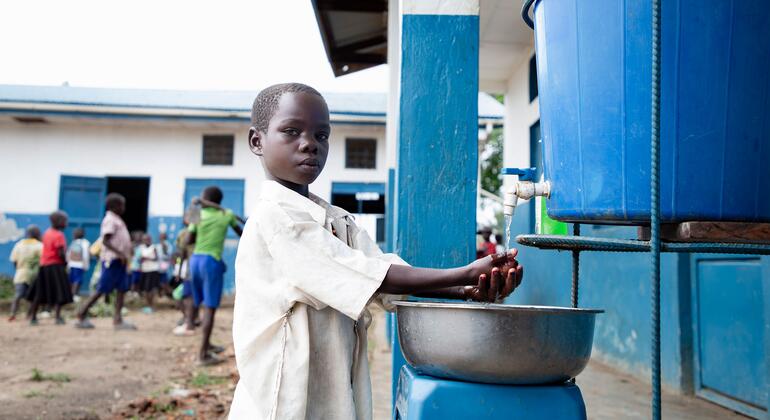
In the meantime, simple measures are being pushed: avoid contact with bodily fluids of sick or deceased people, wash hands, and report symptoms like high fever, fatigue, muscle aches, vomiting, or diarrhea. Health workers need protection, and patients need protection from stigma. And for heaven's sake, says Dr. Belizaire, rely on official information and avoid rumors, which "can really complicate the response and put their lives in danger."
The Good Times
News in your inbox.
One sardonic roundup, delivered on your schedule. Free. Unsubscribe whenever your tolerance for wit runs out.
Already subscribed but we never reach your inbox? Check your spam folder and hit 'Not spam' (or 'Remove from spam') to bust us out of junk-mail purgatory. You'll be helping everyone else too.
Don't open any of our emails for a month and you'll be automatically removed from the mailing list.
Rewrite Article
Select parts to regenerate with a fresh AI pass. Translations will be updated automatically.
Generate AI Image
Creates a sardonic version of the article image using OpenAI.