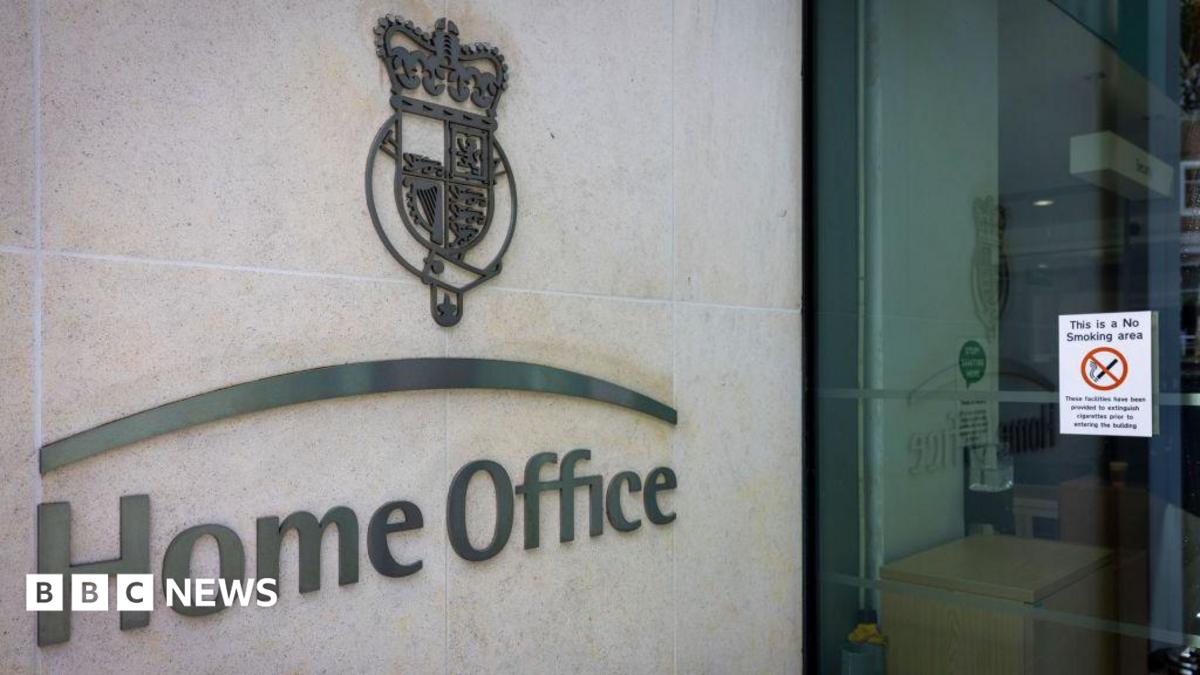
The UK government has announced that people granted asylum will have to repay around £10,000 towards the cost of their accommodation and support once they start earning. The new rules, part of the upcoming Immigration and Asylum Bill, apply to asylum seekers with the right to work in the UK, and the debt must be settled before they can become eligible for permanent settlement.
Home Secretary Shabana Mahmood framed this as a matter of responsibility, stating: "Once people can contribute and repay the generosity of the British people, we expect them to do so." The Home Office hasn't yet specified the earnings threshold at which repayments kick in, but the home secretary will have the power to adjust the charge to ensure fairness - and to avoid forcing anyone into destitution.
The Refugee Council called the plans "unfair" and "impractical," noting that many asylum seekers can't work while their claims are processed. Director of external affairs Imran Hussain pointed out the irony: "The reason why many need asylum support is because the Home Office itself bans asylum seekers from working."
Meanwhile, the University of Oxford's Migration Observatory questioned how much the government will actually recoup. Dr. Madeleine Sumption noted that in 2023, only 13% of people granted refugee status five years earlier earned at least £20,000. "The data suggests that unless thresholds were significantly below the minimum wage, a relatively small share of people granted asylum would earn enough to make contributions," she said.
The bill also includes plans for new "capped safe and legal" routes to the UK, involving sponsors like universities and businesses. Shadow home secretary Chris Philp accused Labour of adopting yet another Conservative policy, adding that this precise scheme was proposed by the Tories last year.
As of March 2026, 93,653 people were in asylum accommodation, with 20,885 in hotels. The government has pledged to stop using hotels by 2029. Meanwhile, small boat crossings have decreased by 37% compared to the previous year, but at least 84 people died attempting the crossing in 2024.
The Good Times
News in your inbox.
One sardonic roundup, delivered on your schedule. Free. Unsubscribe whenever your tolerance for wit runs out.
Already subscribed but we never reach your inbox? Check your spam folder and hit 'Not spam' (or 'Remove from spam') to bust us out of junk-mail purgatory. You'll be helping everyone else too.
Don't open any of our emails for a month and you'll be automatically removed from the mailing list.
Rewrite Article
Select parts to regenerate with a fresh AI pass. Translations will be updated automatically.
Generate AI Image
Creates a sardonic version of the article image using OpenAI.