Welcome to Edition 8.46 of the Rocket Report! We don’t mention Starship in the body of this week’s report, so here's a quick update: Flight 13 of SpaceX's mega-rocket could happen as soon as next month, according to Gwynne Shotwell. But don't mark your calendars just yet - there's still work to do. The next test will look a lot like the last one: suborbital, with a splashdown in the Indian Ocean. An orbital flight will have to wait until at least Flight 14, because last time the ship couldn't quite manage that critical engine restart in space. Oops.
Isar Aerospace, Europe's top rocket startup, scrubbed another test flight of its Spectrum rocket after detecting "off nominal behavior in the vehicle's fluid systems." The company has raised nearly $1 billion but has only one flight under its belt - a failed launch that lasted less than 30 seconds. Gravity remains undefeated.
NASA asked three companies if they could build and launch a satellite in less than a year to save a $500 million astronomy mission. Startup Katalyst Space Technologies said, "Hold my beer," and built the Link reboost satellite in record time. It's now integrated with a Pegasus XL rocket for a launch no earlier than June 27. No one thought it was possible, but here we are.
Space Launch Delta 45 is exploring a new rocket launch complex, LC-51, about 2 miles north of Port Canaveral. It would replace LC-46, which sits uncomfortably close to Blue Origin's pad - the one where a New Glenn rocket exploded last month. Proximity issues, you know.
French startup Latitude quietly dropped the name "Zephyr" from its rocket, now calling it "Our Launcher." Probably because Airbus subsidiary AALTO already trademarked Zephyr for aerospace stuff. Awkward.
The upper stage of China's Zhuque-2E rocket broke up in orbit, scattering debris near the ISS and Starlink satellites. The US Space Force is tracking at least 51 objects. The good news? Atmospheric drag will likely bring most of it down in months to a year. The bad news: it's still space junk.
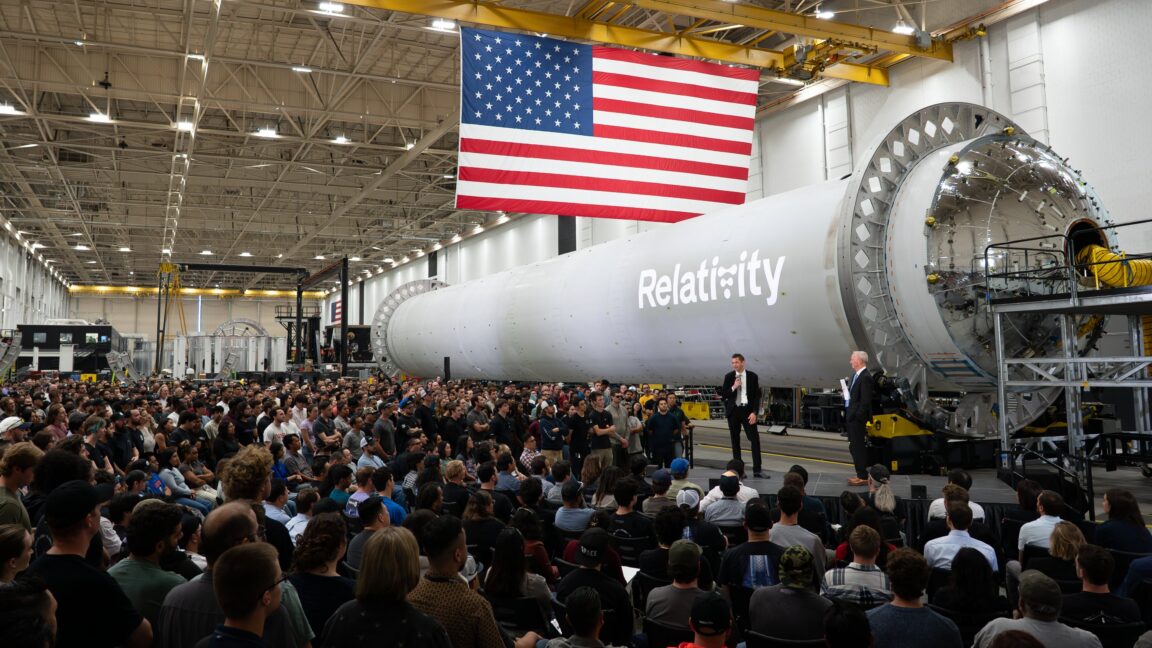
Relativity Space announced a Mars orbiter mission for 2028, with instruments from NASA's Ames Research Center. Details are sparse - size, mass, cost? Not so much. But hey, Eric Schmidt is CEO now, and he's into orbital data centers and philanthropic space stuff. Relativity also had a Mars lander plan with Impulse Space in 2022, but updates have been... quiet.
Japan's H3 rocket returned to flight with a new configuration - no solid boosters, just three hydrogen-fueled engines. It launched successfully after a December failure blamed on a payload support structure collapse. Lower cost, fewer explosions. Progress.
AST SpaceMobile launched three BlueBird satellites on a SpaceX Falcon 9, after losing a previous one on a New Glenn explosion. The satellites are massive - 2,400 square feet of deployable antenna. AST hoped to launch 45 this year; they're at three. Bottleneck? You bet.
The Good Times
News in your inbox.
One sardonic roundup, delivered on your schedule. Free. Unsubscribe whenever your tolerance for wit runs out.
Already subscribed but we never reach your inbox? Check your spam folder and hit 'Not spam' (or 'Remove from spam') to bust us out of junk-mail purgatory. You'll be helping everyone else too.
Don't open any of our emails for a month and you'll be automatically removed from the mailing list.
Rewrite Article
Select parts to regenerate with a fresh AI pass. Translations will be updated automatically.
Generate AI Image
Creates a sardonic version of the article image using OpenAI.