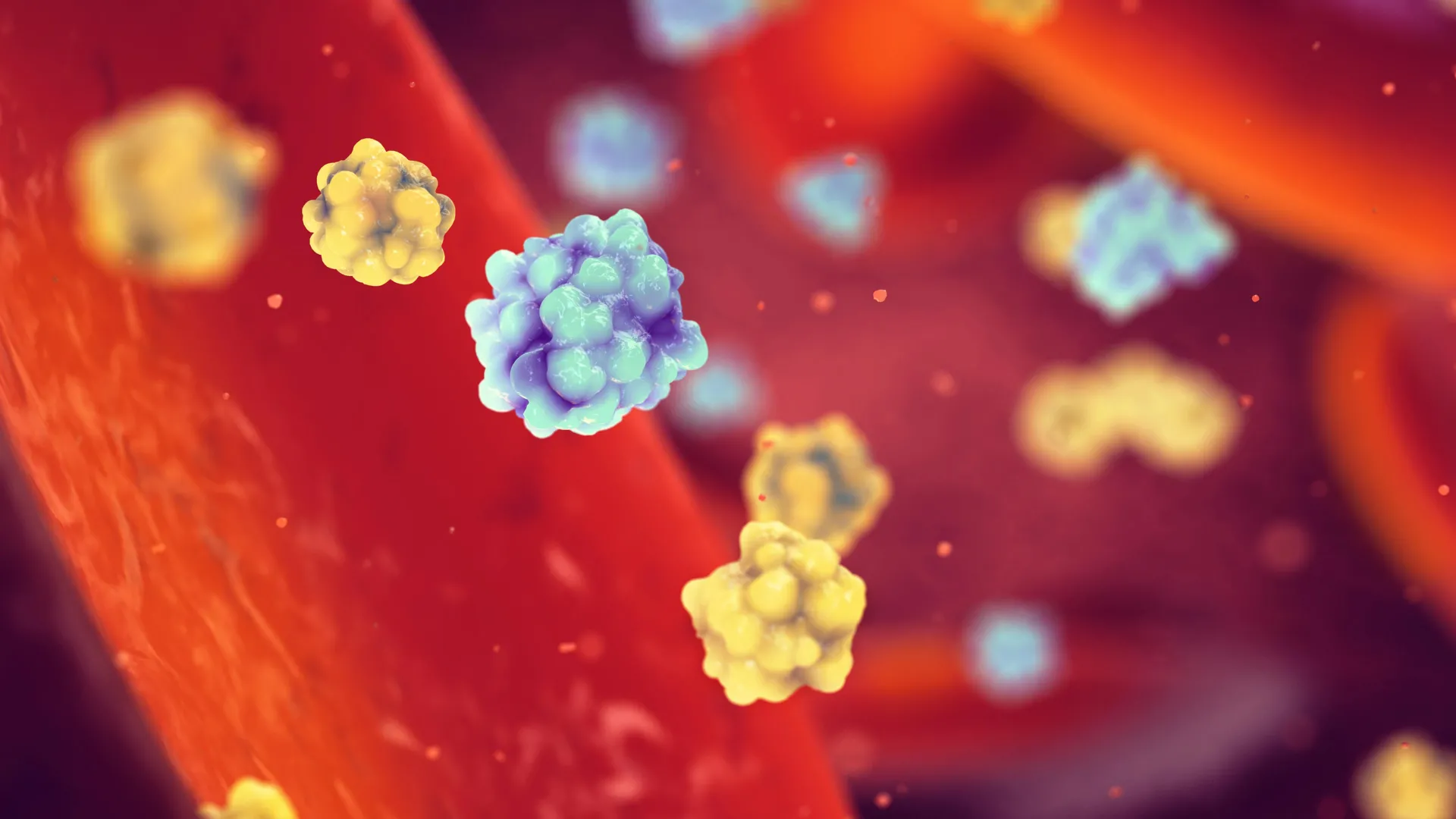
Misfolded Insulin: The Origami Disaster Happening Inside Your Pancreas
New research reveals that misfolded proinsulin is like a paper crane gone wrong - and fixing the folding process could be a fresh way to protect insulin-making cells from diabetes damage.
Proteins, much like ambitious origami projects, need to fold into the correct shape to function. But as prediabetes marches toward full-blown diabetes, that delicate process goes off the rails, leaving misfolded and defective proteins piling up inside cells and stressing the pancreatic cells that make insulin.
Researchers from Sanford Burnham Prebys Medical Discovery Institute and the University of Michigan, publishing in the Proceedings of the National Academy of Sciences on June 1, 2026, have now mapped out how insulin-producing cells coordinate protein folding - and what happens when the system goes haywire. The takeaway: strengthening the cellular machinery that folds proteins might protect those precious beta cells from damage.
Beta cells in the pancreas monitor blood sugar and, when glucose spikes, they crank out extra insulin to bring things back to normal. But as diabetes progresses, beta cells start to struggle, like a short-order cook during a dinner rush. Previous research had already linked this decline to misfolding of proinsulin, the protein that eventually becomes insulin. Scientists knew that misfolded proinsulin accumulates during diabetes, stressing beta cells, but they weren't sure which other proteins were in on the action.
“We knew the system for preventing proinsulin misfolding depended on a chaperone protein called binding immunoglobulin protein (BiP) and a bunch of cochaperones,” said Randal J. Kaufman, PhD, senior author and professor at Sanford Burnham Prebys. “Our goal was to see how these partners coordinate proinsulin folding and clean up misfolded messes - because that's essential for keeping insulin-producing cells alive.”
To study BiP's interactions, the team genetically modified mice so that BiP in their beta cells carried a 3xFLAG-tag - a molecular beacon that made it easier to detect and isolate. The results pointed to a key role for p58IPK, one of BiP's cochaperones. When researchers removed p58IPK from cell lines, misfolded proinsulin piled up. Mice engineered without p58IPK produced less proinsulin and insulin. But when the team restored p58IPK, the cells got better at folding and transporting proinsulin, reducing misfolded copies - though only if BiP was also present.
Increasing BiP alone without p58IPK? Modest gains. Normal levels of both? Much better. “Like a single tennis player trying to play a doubles match, BiP can't go it alone,” said Insook Jang, PhD, lead author and staff scientist in the Kaufman lab. The study also identified additional partner proteins involved in folding, transporting, and managing misfolded proinsulin, with more research needed to pin down their roles.
Most current diabetes drugs don't fix protein-folding problems; they just help tissues absorb glucose or squeeze out more insulin. No existing therapy aims to improve proinsulin folding to preserve beta cells. “If we can learn to influence BiP's coordinated activity, we might find a promising early treatment strategy to prevent or reduce damage to insulin-producing cells,” Kaufman said.
The study was supported by the National Institutes of Health, National Institute of Diabetes and Digestive and Kidney Diseases, National Cancer Institute, and Breakthrough T1D.
The Good Times
News in your inbox.
One sardonic roundup, delivered on your schedule. Free. Unsubscribe whenever your tolerance for wit runs out.
Already subscribed but we never reach your inbox? Check your spam folder and hit 'Not spam' (or 'Remove from spam') to bust us out of junk-mail purgatory. You'll be helping everyone else too.
Don't open any of our emails for a month and you'll be automatically removed from the mailing list.
Rewrite Article
Select parts to regenerate with a fresh AI pass. Translations will be updated automatically.
Generate AI Image
Creates a sardonic version of the article image using OpenAI.