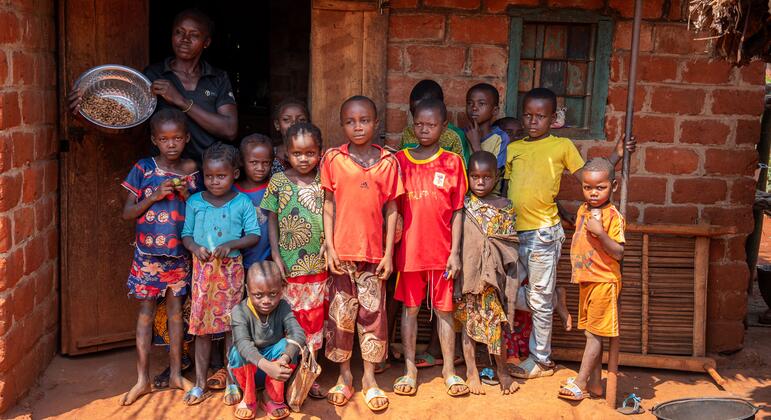
In the Central African Republic (CAR), a nation that has been perfecting the art of conflict since 2013, Nina Mireille Yankinon has decided to become the human equivalent of a reset button. After being forced to flee to Cameroon when the predominantly Muslim Seleka rebels kicked off the latest round of chaos (prompting largely Christian anti-Balaka militias to join the party), she returned to find her hometown of Batangafo - once celebrated for its diversity - now a masterclass in fear, mistrust, and displacement.
Rather than throw up her hands and move somewhere with fewer armed clashes, Nina founded an NGO with the charmingly assertive name Londo E Lekere (ILEL), which translates to "Let us rise up and build." The UN Alliance of Civilizations (UNAOC) is footing some of the bill, and the organization is tackling peacebuilding and women's leadership in a society where religious and ethnic mistrust is the local sport. "The ethnic and religious tensions, particularly between Muslims and Christians, have been heightened since 2013, creating deep mistrust and making genuine interreligious dialogue difficult," Nina told UN News, adding that "generational and gender disparities" ensure young people and women get the short end of the decision-making stick.
ILEL's strategy includes radio programs, school awareness campaigns, conferences, and debates - basically, anything short of forcing people to sit in a room together until they get along. As a young woman in a "patriarchal" context, Nina has faced resistance from elders who question why a woman should be in charge. But she sees her youth as a feature, not a bug: "My youth allows me to connect with vulnerable adolescents and young people, who are often excluded from dialogue, and to embody a dynamic female leadership that inspires post-2013 resilience." She's also acutely aware of the surge in gender-based violence (GBV) since 2013, with rates spiking notably between 2021 and 2022, making women like her "primary targets" of stigmatization.
Education is Nina's personal crusade - she believes it "empowers citizens, enabling dialogue that transcends ethnic, religious, and gender divisions." Her projects distribute learning materials, train teachers, and drag parents and local leaders into the process to ensure nobody's priorities get ignored. From health centers to supporting farmers to running a community blog that documents victims' stories, Nina is basically building a functional society one project at a time. "Peace, equality, and resilience," she says, are her guiding stars - because peace, she notes, isn't built in conference rooms, but "in classrooms, markets, and villages, by those who refuse to give up on hope."
The Good Times
News in your inbox.
One sardonic roundup, delivered on your schedule. Free. Unsubscribe whenever your tolerance for wit runs out.
Already subscribed but we never reach your inbox? Check your spam folder and hit 'Not spam' (or 'Remove from spam') to bust us out of junk-mail purgatory. You'll be helping everyone else too.
Don't open any of our emails for a month and you'll be automatically removed from the mailing list.
Rewrite Article
Select parts to regenerate with a fresh AI pass. Translations will be updated automatically.
Generate AI Image
Creates a sardonic version of the article image using OpenAI.