NASA to Teens: Become an Electrician, It's Shockingly Cool
NASA wants teens to know that being an electrician is a path to working on rockets, satellites, and maybe even Mars - and it's a lot more exciting than changing light bulbs.
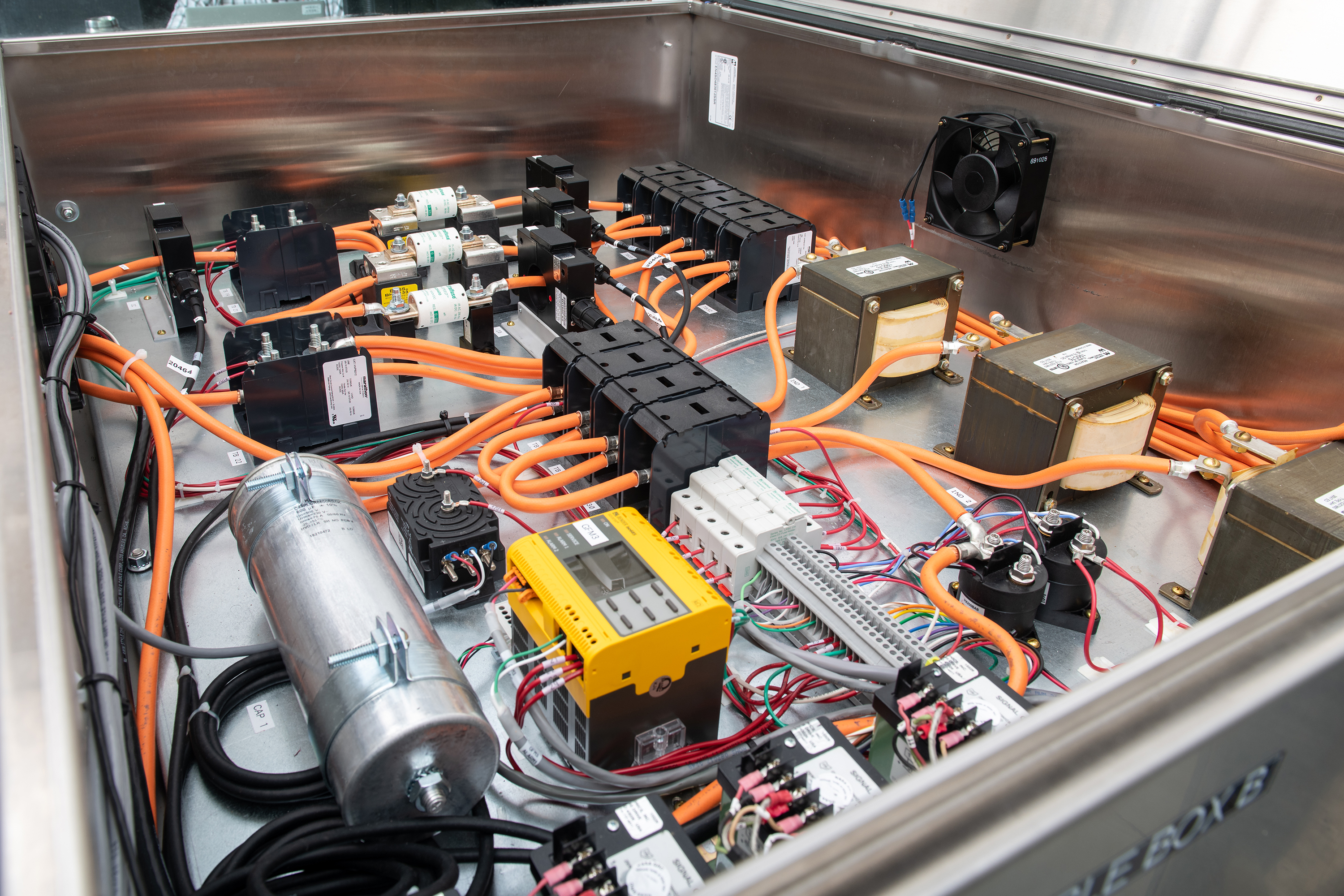
Electricity powers the world, and electricians are the ones who get it where it needs to go - including to places like the Moon and Mars. At NASA, electricians keep the lights on and the power flowing for rocket launches, scientific research, and everything in between. They support engineers and scientists in building and testing spacecraft, aircraft, satellites, telescopes, and the equipment that makes human spaceflight possible. Electrical technicians, meanwhile, focus on building, modifying, or testing electronic devices. They might build and wire control systems, connect tiny sensors to circuit boards, or write software to make devices work in specific ways. They also test instruments in conditions that mimic space - extreme temperatures, intense vibrations, and even a vacuum - to make sure they survive and perform during missions. Because space hardware is headed to low-Earth orbit, the Moon, or Mars, every detail has to be perfect.
For those looking to get started, there are many pathways: community colleges, trade schools, and technical institutes offer two-year associate degrees in electrical technology; trade unions and apprenticeship programs provide real-world experience; and all branches of the U.S. military offer electronics training that may transfer to college credits or civilian certifications. In high school, students can take courses in math, science, and technical education, and start learning basic electrical concepts like circuitry and safety. Part-time work or shadowing electricians can also provide useful experience.
Technical skills include understanding how electricity works, staying safe, and reading schematics and wiring diagrams. Some jobs require special hands-on abilities like soldering tiny components or assembling cables. Being curious, open-minded, and a good communicator matters too - asking questions, sharing ideas, and taking feedback are essential. As Christopher Johnson, an aerospace electrical engineering technician at NASA's Kennedy Space Center, puts it: 'As an aerospace technician, you have the opportunity to make a big difference. You can make a really big impact.' Levi James, an electrician apprentice at NASA's Glenn Research Center, adds: 'What I wish I knew in high school is how many opportunities there are for electricians. I didn't realize how big of a scale it really was. Everything needs electricity, and the sky's the limit on what you can do with it.' And David McClaeb, an electronic technician at NASA's Goddard Space Flight Center, sums it up: 'It's so gratifying when somebody comes in and says, “Hey, we want to build this, but it looks really difficult,” and we say, “Yeah, it looks difficult, but we can do it” - and we build it and then we hand it over to them, and then we're on to the next thing. It's a challenge, and I'm telling you, it is just so fun.'
The Good Times
News in your inbox.
One sardonic roundup, delivered on your schedule. Free. Unsubscribe whenever your tolerance for wit runs out.
Already subscribed but we never reach your inbox? Check your spam folder and hit 'Not spam' (or 'Remove from spam') to bust us out of junk-mail purgatory. You'll be helping everyone else too.
Don't open any of our emails for a month and you'll be automatically removed from the mailing list.
Rewrite Article
Select parts to regenerate with a fresh AI pass. Translations will be updated automatically.
Generate AI Image
Creates a sardonic version of the article image using OpenAI.