Ancient Chinese Root Promises to Fight Baldness, Possibly Save You from Awkward Side-Effect Conversations
A root used in Chinese medicine for over 1,000 years may fight hair loss through multiple biological pathways, offering hope to those wary of current treatments' side effects.
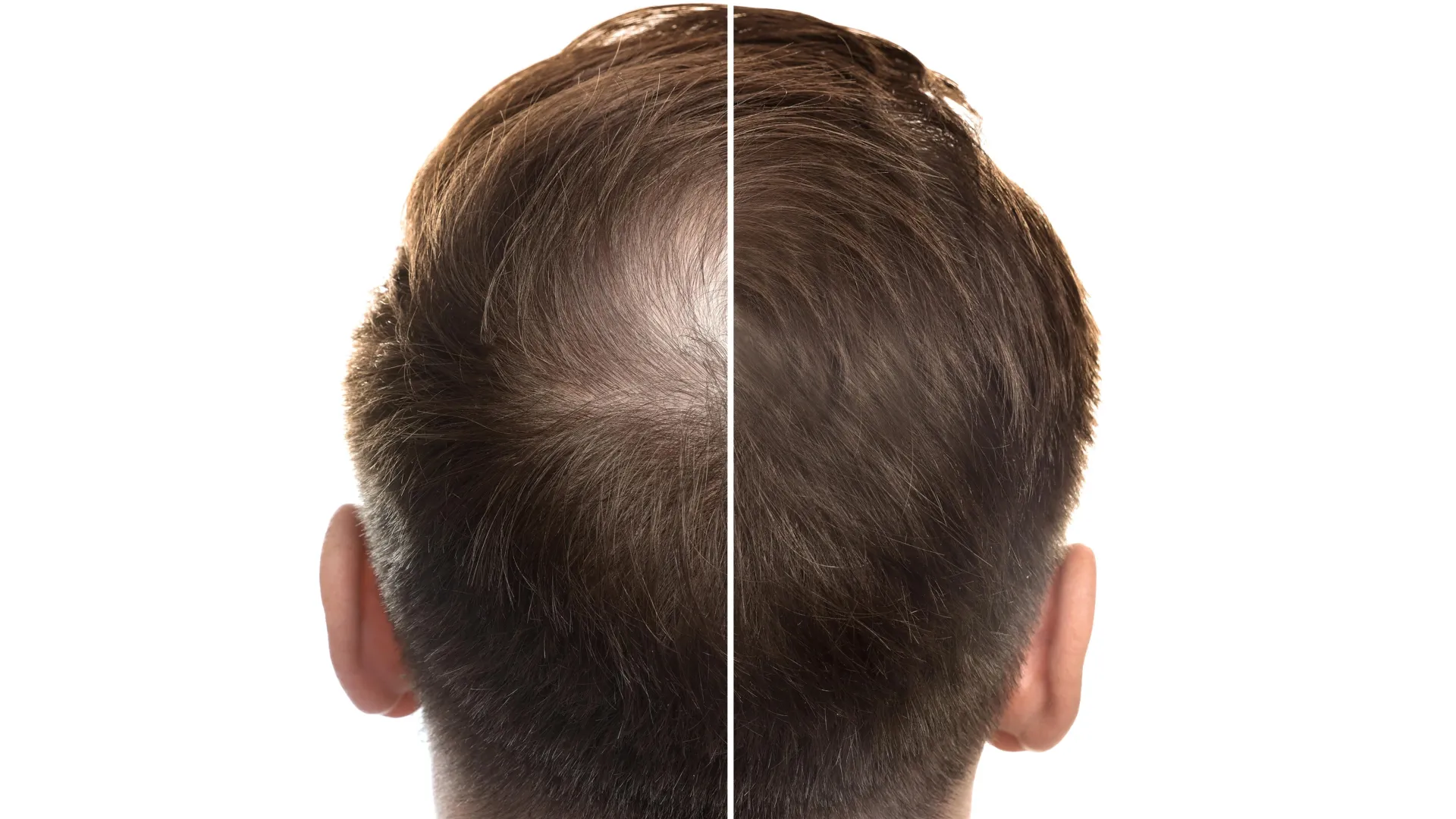
Androgenetic alopecia (AGA) - the fancy medical term for the hair loss that makes millions of men and women slowly develop a permanent widow's peak or a gleaming scalp - has a new potential adversary, and it's been sitting in Chinese apothecaries for over a thousand years. Current treatments like finasteride and minoxidil work for some but come with baggage: finasteride can bring sexual side effects, and minoxidil often leaves scalps irritated. Enter Polygonum multiflorum, a root that traditional Chinese medicine has long used to "blacken hair and nourish essence." A new scientific review published in the Journal of Holistic Integrative Pharmacy suggests this herb may hit hair loss from multiple angles, rather than just one.
The review, led by Han bixian, found that Polygonum multiflorum doesn't just target the hormone dihydrotestosterone - the main culprit in follicle shrinkage - but also helps prevent follicle cells from dying too early and activates key regeneration pathways like Wnt and Shh. Those pathways help shift hair follicles from resting to active growth. The herb may also improve blood flow to the scalp, delivering oxygen and nutrients to starving follicles. "Our analysis bridges ancient wisdom and modern science," Han said, noting that texts from the Tang Dynasty onward describe effects that align perfectly with current hair biology. "Modern studies now confirm that this isn't folklore; it's pharmacology."
The researchers stress that preparation matters: the herb must be properly processed to ensure safety and effectiveness, especially since unprocessed herbs can contain powerful compounds. While the evidence is promising - from lab studies, historical records, and limited clinical observations - large human trials are still needed. But for anyone who's ever eyed a bottle of finasteride with suspicion, the idea that a thousand-year-old root might one day offer a gentler alternative is at least something to hold onto.
The Good Times
News in your inbox.
One sardonic roundup, delivered on your schedule. Free. Unsubscribe whenever your tolerance for wit runs out.
Already subscribed but we never reach your inbox? Check your spam folder and hit 'Not spam' (or 'Remove from spam') to bust us out of junk-mail purgatory. You'll be helping everyone else too.
Don't open any of our emails for a month and you'll be automatically removed from the mailing list.
Rewrite Article
Select parts to regenerate with a fresh AI pass. Translations will be updated automatically.
Generate AI Image
Creates a sardonic version of the article image using OpenAI.