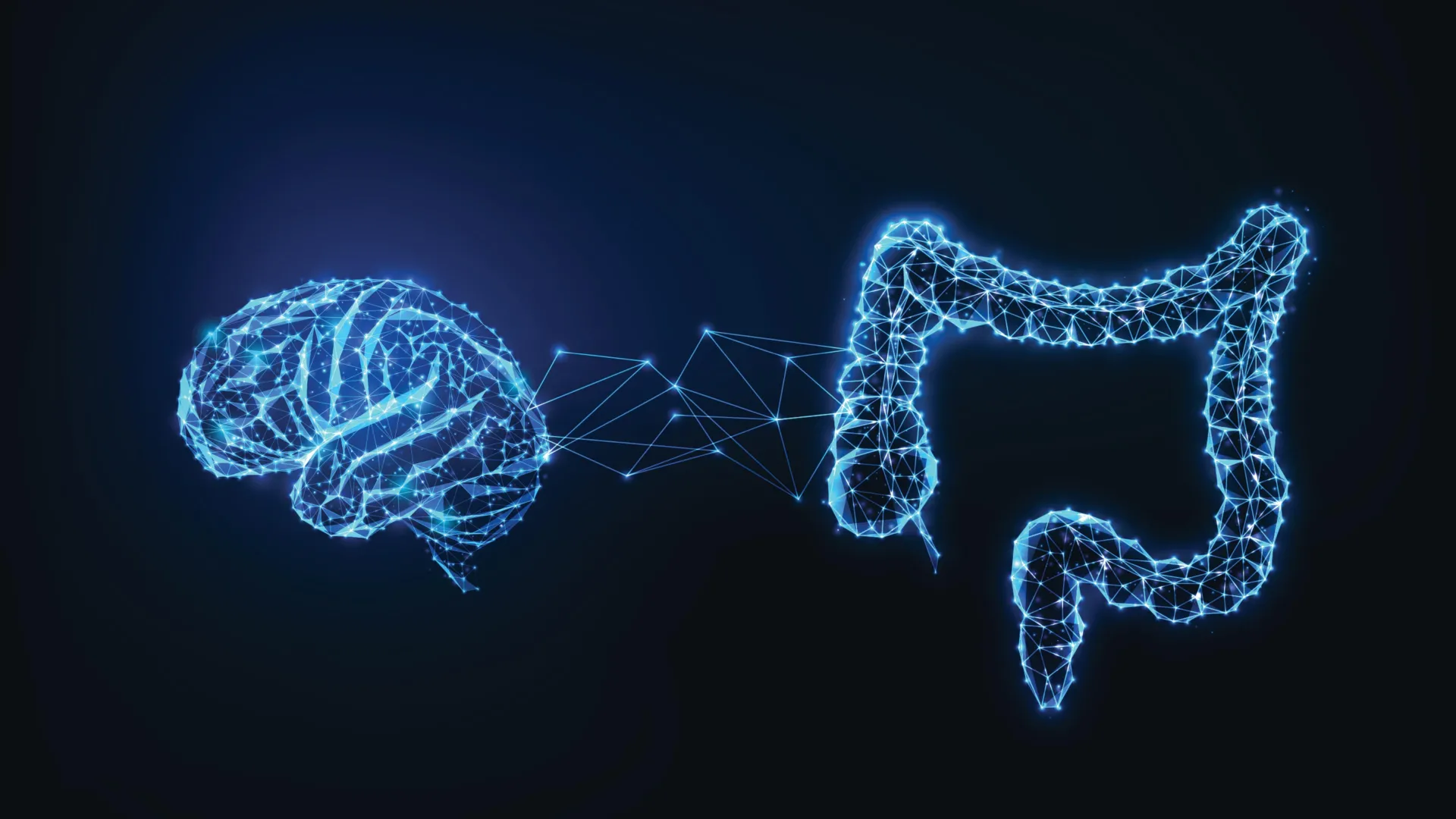
Remember that time you had a really good sandwich and could recall exactly where you bought it? Your gut might have been taking notes. New research from the University of Southern California suggests that the digestive system plays a role in memory formation, particularly when food is involved.
The study, led by Scott Kanoski, professor of biological sciences at USC Dornsife and published in Nature Communications, focused on the vagus nerve - the body's main communication highway between the gut and brain. Already known for regulating digestion and appetite, the vagus nerve now appears to also carry information that helps the brain store memories.
In experiments with rats, the researchers found that eating nutrient-rich foods increased the release of acetylcholine in neurons connected to the hippocampus, a brain region central to learning and memory. This increase depended on messages traveling from the gut through the vagus nerve. When the researchers disrupted that communication, acetylcholine levels no longer rose after eating, and the rats struggled more on memory tests.
Importantly, the brain's memory system responded to actual nutritional content, not just taste. Rats that consumed sugar or fat showed strong memory-related brain activity, while those given low-calorie sweet liquids did not. "We think the mechanism likely evolved to help animals remember vital information about food sources," says study first author Logan Lauer, a PhD student in Kanoski's lab. The gut essentially tells the brain, "This meal provided valuable nutrients, so remember where and how you got it."
However, there's a twist: frequent exposure to high-fat and high-sugar diets had the opposite effect over time. Rats that ate unhealthy diets early in life later showed weaker gut-hippocampus communication, even after returning to healthier food. Their memory performance suffered too, suggesting that prolonged junk food consumption may damage the very system that helps us remember where to find it.
The findings have implications for human health, as obesity and poor nutrition are linked to cognitive decline. Additionally, disruption of acetylcholine signaling in the hippocampus is an early sign of Alzheimer's disease. "By revealing that this system is boosted by gut signaling from the vagus nerve, novel therapeutic targets could leverage this information to explore vagus nerve-based approaches," says Kanoski.
The researchers caution that more work is needed to confirm the same process occurs in humans. For now, the study adds to growing evidence that the gut and brain are in constant, surprisingly sophisticated conversation.
The Good Times
News in your inbox.
One sardonic roundup, delivered on your schedule. Free. Unsubscribe whenever your tolerance for wit runs out.
Already subscribed but we never reach your inbox? Check your spam folder and hit 'Not spam' (or 'Remove from spam') to bust us out of junk-mail purgatory. You'll be helping everyone else too.
Don't open any of our emails for a month and you'll be automatically removed from the mailing list.
Rewrite Article
Select parts to regenerate with a fresh AI pass. Translations will be updated automatically.
Generate AI Image
Creates a sardonic version of the article image using OpenAI.