
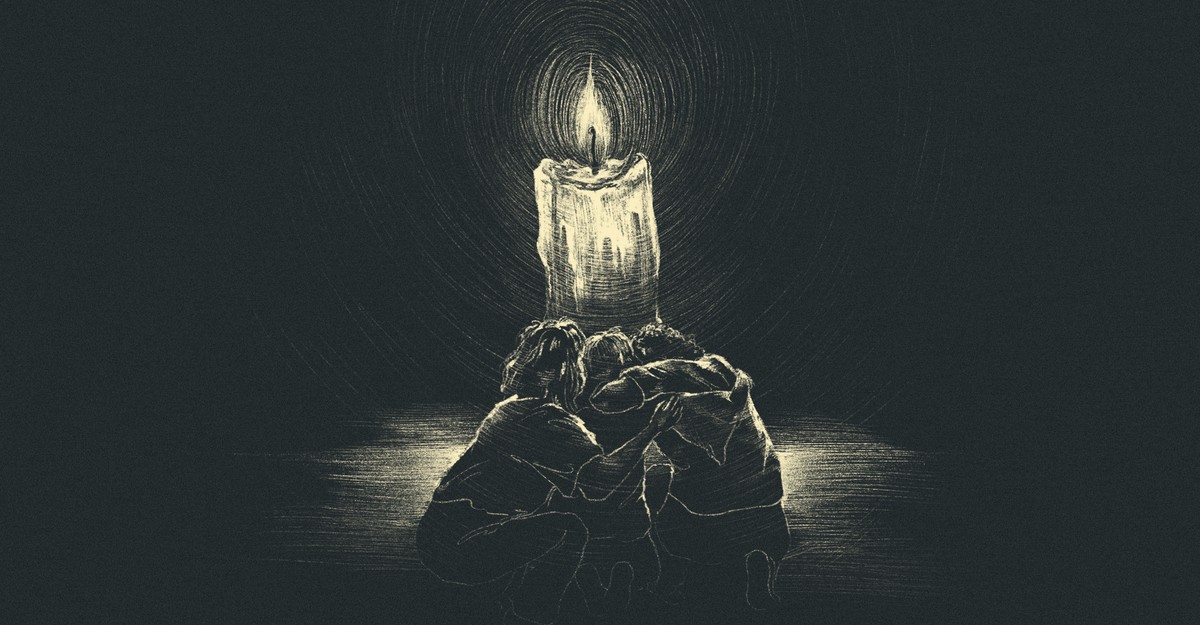
If you're reading this, there's a decent chance you've survived, witnessed, or otherwise experienced a school shooting - which, in the United States, is common enough that someone felt compelled to write a guide. The author has been through two: first in Parkland, Florida, at age 12, and then at Brown University at age 20. When Brown grappled with its own tragedy on December 13, 2025, she found that sharing her prior experiences helped peers feel understood and made her feel better too. Since age 13, she's fought for gun violence prevention. Now, eight years and two shootings later, she offers five pieces of advice for anyone unlucky enough to relate.
First: surviving looks different for everyone. People often ask if she really 'qualifies' as a survivor - a telling question. At 12, she was outside the middle school next to Marjory Stoneman Douglas High School, a few hundred feet from where a former student killed 17 people. She heard gunshots, saw first responders, and later watched graphic videos on social media. She developed PTSD, which persists today. Some reserve 'survivor' for those physically injured or in the same room as a shooter, but gun violence ripples through entire communities. For her, being a survivor means witnessing it firsthand in her school community. Whatever your definition, you don't need to explain.
Trauma isn't always dramatic flashbacks. Sure, she experiences hypervigilance, paranoia, and flashbacks at fireworks, but trauma also shows up subtly - hyperfixating on shooting news, watching old Parkland coverage, sitting with her back to the wall in restaurants, falling asleep facing the door, random waves of intense emotions she blames on sleep deprivation or her period. The most pervasive symptom: constant mental preparation for hypothetical shootings, all day, every day. She's learned to push those thoughts to her subconscious, but the point is that trauma is pervasive. None of this means you're doomed to a life of suffering - but if you're experiencing it, therapy might help. PTSD is a normal response to an abnormal event. You are not alone.
For over eight years, she's asked: Why did this happen to me? How did it happen twice? The answer isn't logical, but getting lost in 'why me' leads to nihilism. What helped was shifting focus to systemic violence and how to improve things for fellow Americans. School shootings don't happen because of who she is as an individual - they happen because she grew up in America. That's still painful, but it leaves more room for hope than 'why me' ever will. Those who want the status quo rely on us giving up. Maintaining hope in the face of trauma is an act of resistance.
Surviving a school shooting is still rare, but it's become an all-too-common experience for young Americans. Survival feels isolating. Even when Parkland and Brown came together as communities, she felt alone, resenting people who navigated life without hypervigilance. What helped: meeting survivors from other communities - Michigan, Texas, elsewhere - who shared her grief, trauma, and anger. She remains close with that small but tight-knit community of school-shooting survivors involved in advocacy. If activism isn't your thing, social media and support groups connect survivors too. These are the friends she turns to after an assassination, like when Charlie Kirk was killed, or bracing for Fourth of July fireworks.
It's hard for outsiders to understand how exhausting constant alertness is. The hardest mental obstacle: managing expectations for herself. Sustained hypervigilance takes a physical toll - fatigue, poor academic performance, even chronic pain. The 'new normal' cliché used to make her cringe, but it's true. Humans aren't meant to endure this suffering, and expecting yourself to bounce back is unfair. Recovery isn't linear. She has good days and bad days, days when she rarely thinks about the shootings and days when they're all-consuming for no reason. The key: be gentle with your mind and body.
If she'd read an article like this at 12, she might have saved time figuring out how to move forward. But she also acknowledges the absurdity that a guide to coping with school shootings is necessary. After Parkland, she resented anyone who acted 'normal' while her world shattered. How could the world keep spinning when a teenager killed 17 people in under seven minutes and the government barely blinked? How did media and politicians move on so quickly after the Brown shooter's violent end? She once thought this was just trauma, but now sees a deeper reason: this country has abandoned those who bear the brunt of gun violence.
Politicians have never experienced monthly lockdown drills or the unique fear of not knowing if your next moment will be your last. She hates that it takes life-changing trauma for people to speak out. No more children should be shot in school because of irresponsibly lax firearm regulations. Solving gun violence requires not just a political response but a cultural reset. Why must Americans value the Second Amendment over children, over the future? Why is gun culture so ingrained in our national identity? Why remain complacent about an objectively solvable epidemic? She hopes that someday soon, this advice can become obsolete.