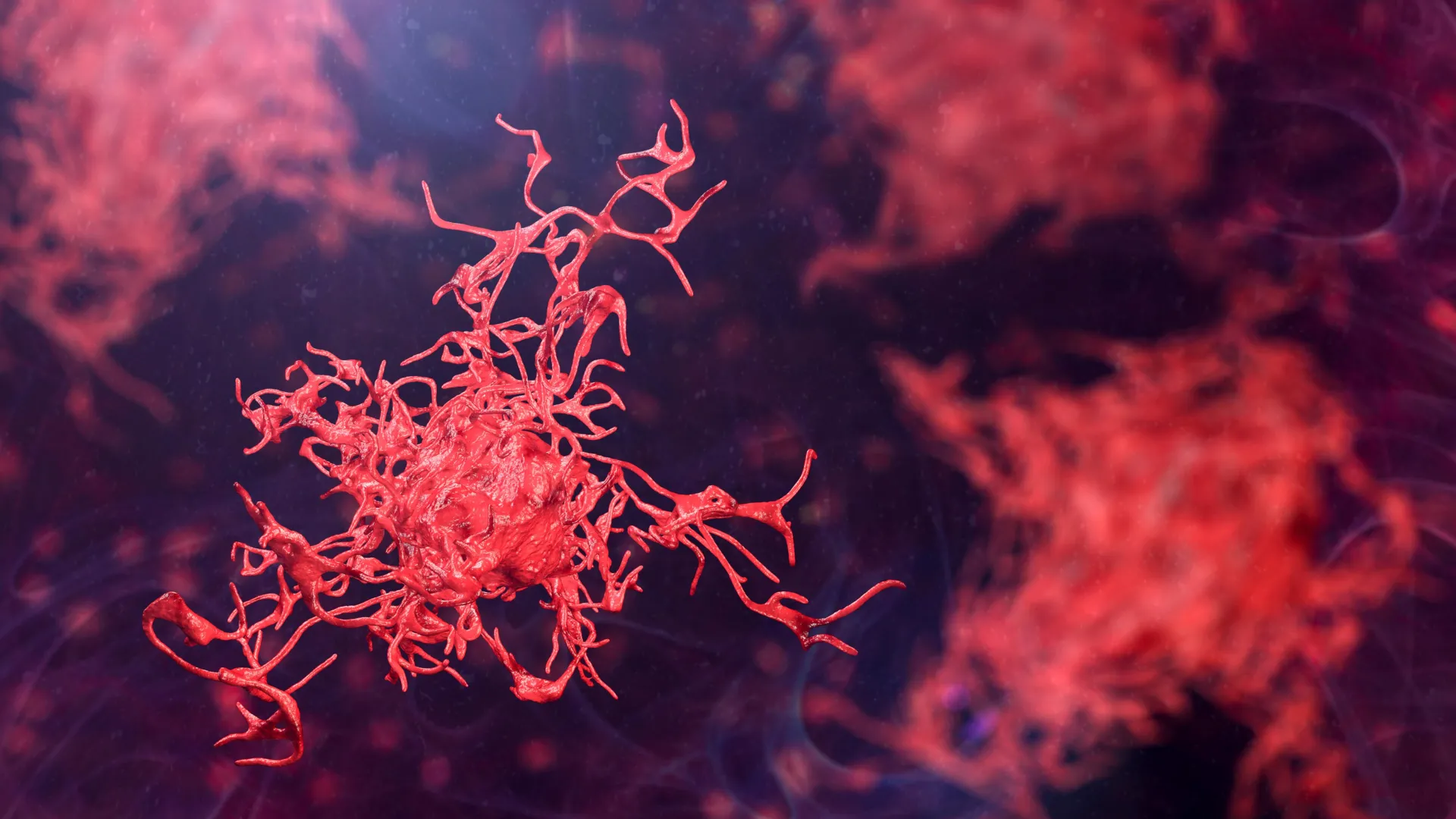
Environmental and public health researchers are sounding the alarm about a group of microbes that, until now, have mostly minded their own business in water and soil. These organisms, known as free living amoebae, are apparently becoming more of a threat as the planet warms and our water systems get older and creakier.
In a perspective published in the journal *Biocontaminant*, researchers describe free living amoebae as an overlooked public health risk that needs far more attention. They point to climate change, aging water infrastructure, and weak monitoring systems as factors that could allow dangerous amoebae to spread and become harder to control. Because of course, why wouldn't we add 'aggressive amoebas' to the list of things we need to worry about?
Amoebae are single-celled organisms that commonly live in natural environments such as lakes, rivers, soil, and water systems. Most do not harm humans, but a small number can cause severe disease. One of the best-known examples is *Naegleria fowleri*, sometimes called the brain-eating amoeba. This organism can cause a rare but extremely deadly brain infection when contaminated water enters the nose, often during swimming or other recreational water activities. So, next time you cannonball into a lake, maybe keep your mouth and nose firmly shut.
"What makes these organisms particularly dangerous is their ability to survive conditions that kill many other microbes," said corresponding author Longfei Shu of Sun Yat-sen University. "They can tolerate high temperatures, strong disinfectants like chlorine, and even live inside water distribution systems that people assume are safe." In other words, they're the cockroaches of the microbial world, only with a taste for brain tissue.
The danger does not come only from the amoebae themselves. The researchers also warn that amoebae can act as living shelters for other harmful microbes. Bacteria and viruses can hide inside amoebae, where they may be shielded from disinfectants and other treatment methods. This allows some pathogens to persist longer in drinking water systems and potentially spread more effectively. Scientists refer to this as a Trojan horse effect, and the researchers say it may also play a role in the spread of antibiotic resistance. So amoebae are not only potential killers; they're also Uber drivers for other pathogens.
Rising global temperatures could make the problem worse. Heat-loving amoebae may be able to survive and spread in regions where they were once uncommon, increasing the chance of human exposure. Recent outbreaks connected to recreational water have already raised concern in several countries. As warm conditions become more widespread, scientists say water managers and health officials may need to prepare for risks that were once considered rare or limited to certain areas.
The authors are calling for a coordinated One Health strategy that brings together human health, environmental science, and water management. They say better surveillance, faster diagnostic tools, and more advanced water treatment technologies are needed to reduce the risk before infections happen. "Amoebae are not just a medical issue or an environmental issue," Shu said. "They sit at the intersection of both, and addressing them requires integrated solutions that protect public health at its source." So, basically, we need to get our act together before the microscopic freeloaders take over our water parks.
The Good Times
News in your inbox.
One sardonic roundup, delivered on your schedule. Free. Unsubscribe whenever your tolerance for wit runs out.
Already subscribed but we never reach your inbox? Check your spam folder and hit 'Not spam' (or 'Remove from spam') to bust us out of junk-mail purgatory. You'll be helping everyone else too.
Don't open any of our emails for a month and you'll be automatically removed from the mailing list.
Rewrite Article
Select parts to regenerate with a fresh AI pass. Translations will be updated automatically.
Generate AI Image
Creates a sardonic version of the article image using OpenAI.